US announces strategy to combat hate against Muslims, Arabs
Biden calls attacks on Chicago's Muslim boy and his mother "heinous acts"
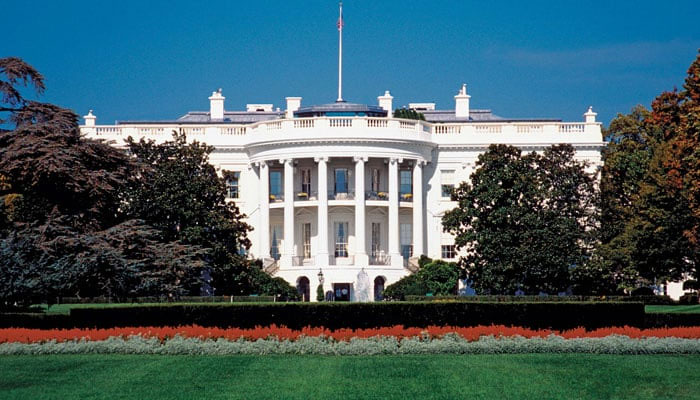
WASHINGTON: US President Joe Biden has announced a long-awaited strategy to address the increase in anti-Muslim and anti-Arab hate, which has grown significantly since the Middle East crisis began, highlighting the need for urgent and ongoing action to tamp down discrimination and bias.
The 64-page document comes weeks before the inauguration of former President Donald Trump, who imposed a travel ban on people from some majority Muslim countries during his first term that Biden rescinded on his first day in office.
The strategy comes more than a year after death of six-year-old boy Wadea Al-Fayoume, stabbed by a man who targeted him and his mother because they were Palestinian-American.
In a foreword to the strategy, Biden called the attacks on the Chicago boy and his mother "heinous acts" and noted a spike in anti-Muslim and anti-Arab hate crimes, discrimination and bullying that he called wrong and unacceptable.
"Muslims and Arabs deserve to live with dignity and enjoy every right to the fullest extent along with all of their fellow Americans," Biden wrote. "Policies that result in discrimination against entire communities are wrong and fail to keep us safe."
The Council on American Islamic Relations, a Muslim civil rights group, called the strategy "too little, too late" and faulted the White House for not ending a federal watchlist and "no-fly" list that includes many Arab and Muslim Americans.
The Trump transition team had no immediate comment on the strategy or whether it would support it.


-
 ICE detains far-right commentator Milo Yiannopoulos in Louisiana
 -
 Russia destroys 90% of Ukraine's retail food logistics
 -
 Neasden fire near Wembley stadium: 125 firefighters battle massive blaze as London underground suspended
 -
 China removes top generals from Military Commission: Here’s why
 -
 Karoline Leavitt steps down as White House press secretary to Join MAGA Inc
 -
 Joe Biden's son Hunter shares 'very painful' update about his health amid cancer battle
 -
 Met Office issues urgent storm warning for 64 UK areas — Full list
 -
 US federal Judge blocks Trump’s mail-ballot restrictions ahead of midterms
-
 Flood alert: Border lake overflows days after devastating Nepal-Tibet glacier collapse, over 480 dead, hundreds remain missing
 -
Mark Carney rejects Trump’s Lake America name: ‘Lake Ontario today and forever’
-
US, South Korea and Japan to hold ‘Freedom Edge’ drill amid North Korea tensions
-
Ukraine demands return of woman arrested in Russia for donation