
Nasa's Juno mission finds lava lakes on surface of Jupiter's volcanic moon
Bright white hot rings make up lava lakes present around cooler crust as "frequent type of volcanism on Io" is found
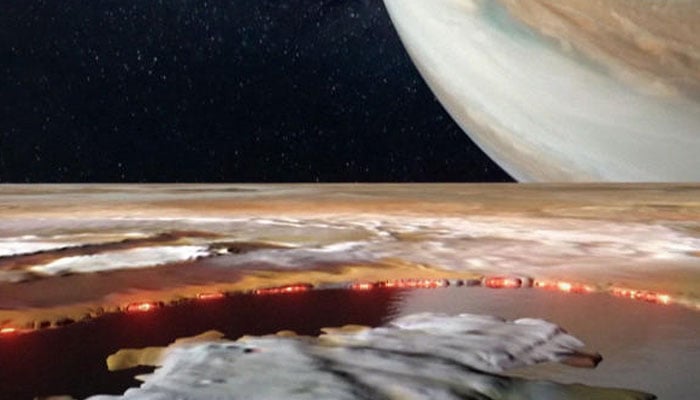
Infrared images of lava lakes present on the surface of Jupiter's moon Io have been captured by Nasa's Juno mission, showing hot rings of the eruption surrounding a cooler crust.
With a thermal signature between 450 and 1,350 degrees Fahrenheit that is 232 and 732 degrees Celsius, the rings have been found to be bright white. Parallel to this, the rest of the lake is much cooler and measures at some minus 45 degrees Fahrenheit or minus 43 degrees Celsius, reported Space.
"We now have an idea of what is the most frequent type of volcanism on Io: enormous lakes of lava where magma goes up and down," Alessandro Mura, who is a Juno co-investigator from the National Institute for Astrophysics in Rome, said in a statement.
"The lava crust is forced to break against the walls of the lake, forming the typical lava ring seen in Hawaiian lava lakes,” he added.
Notably, the prime hypothesis features that magma undergoes upwelling in these lava lakes. This causes the lakes to rise and fall. Moreover, the lava is also exposed along the edge of the lake, when the crust touches the lake’s walls which are possible to be hundreds of metres tall.
On the other hand, there is also a secondary hypothesis. It implies that magma wells up in the middle of the lake. This pushes the crust outward until it sinks along the edge of the lake. In this way, it again exposes the lava and forms those lava rings.



-
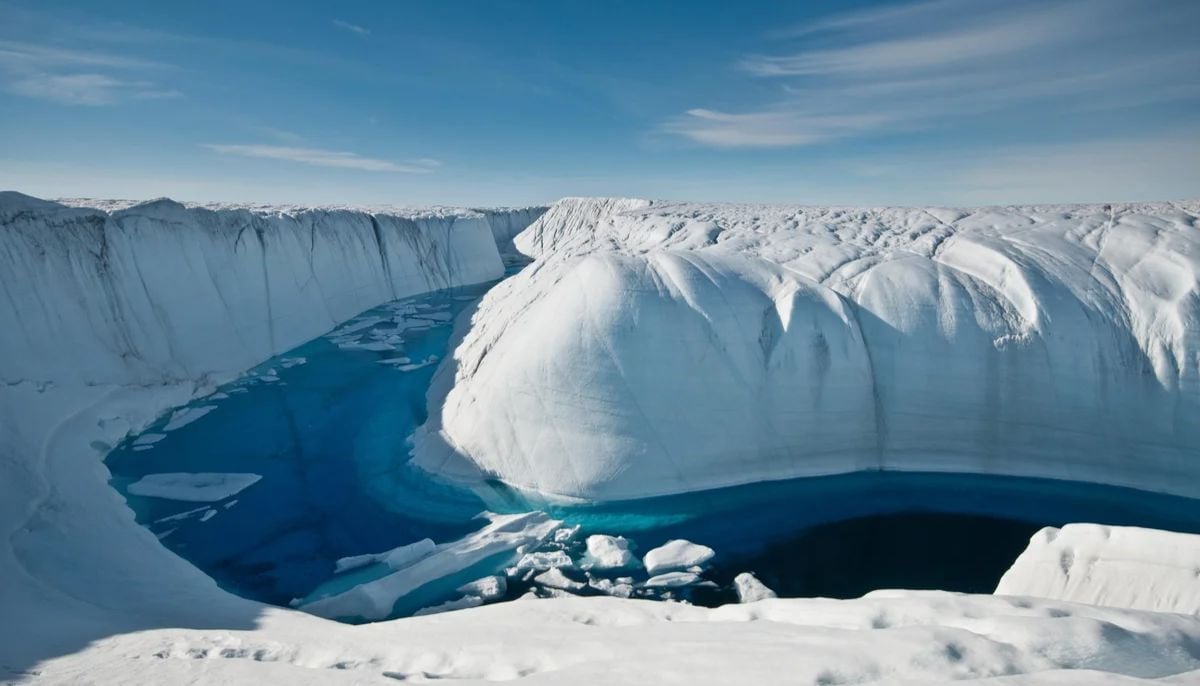 Greenland ice sheet acts like ‘churning molten rock,’ scientists find
 -
 Space-based solar power could push the world beyond net zero: Here’s how
 -
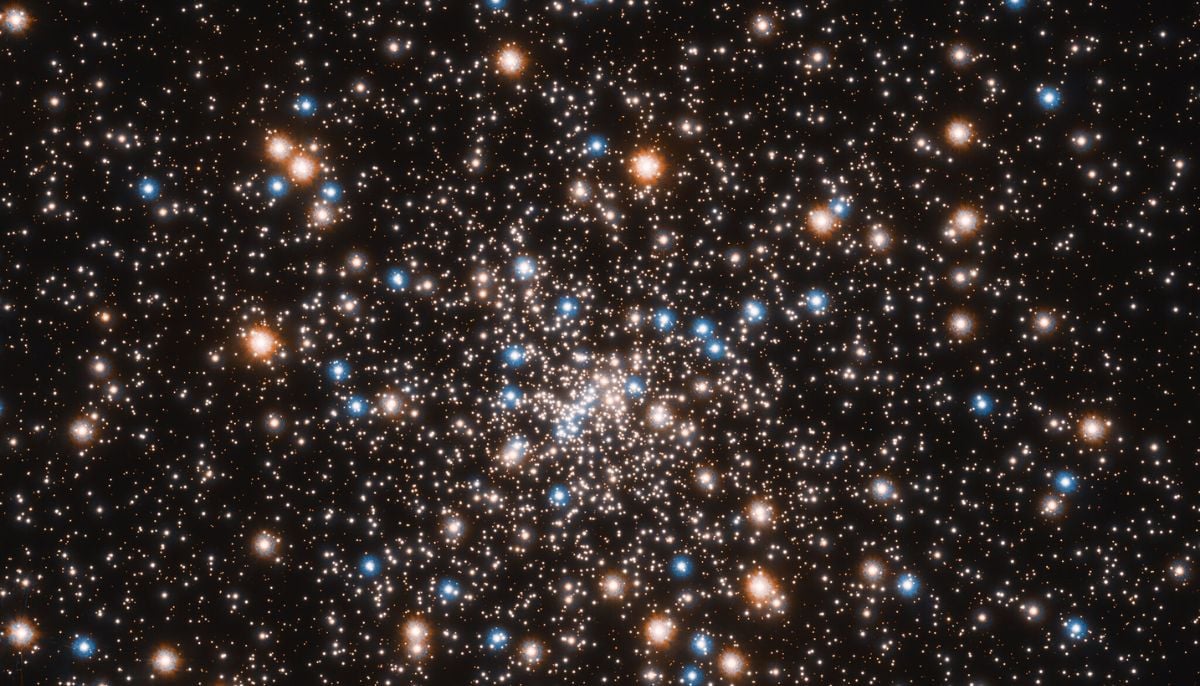 Hidden ‘dark galaxy' traced by ancient star clusters could rewrite the cosmic galaxy count
 -
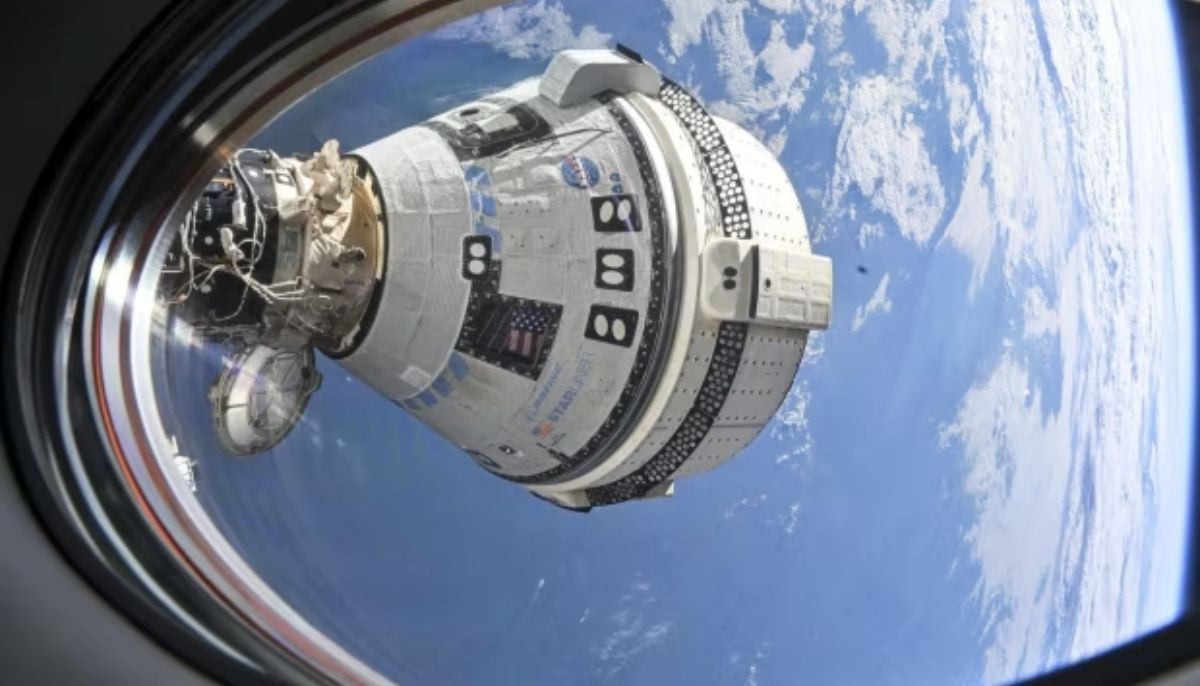 Astronauts face life threatening risk on Boeing Starliner, NASA says
 -
 Giant tortoise reintroduced to island after almost 200 years
 -
 Blood Falls in Antarctica? What causes the mysterious red waterfall hidden in ice
 -
 Scientists uncover surprising link between 2.7 million-year-old climate tipping point & human evolution
 -
 NASA takes next step towards Moon mission as Artemis II moves to launch pad operations following successful fuel test