Melanoma skin cancer to reach record high rates
People urged to use high-factor sunscreen, spend time in shade, cover up rather than risk sunburn
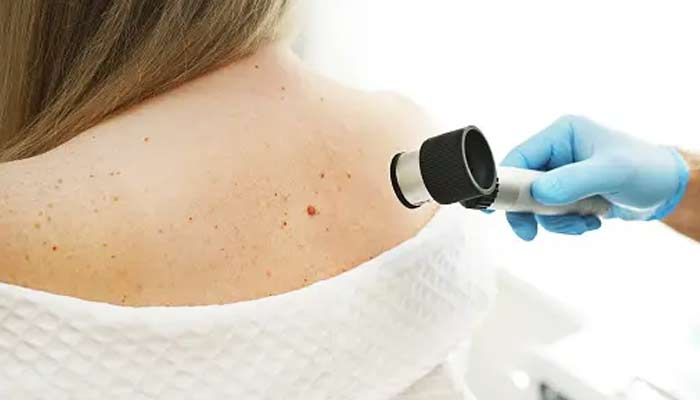
Melanoma skin cancer cases are anticipated to reach a record high in the UK this summer, as experts are issuing a warning to people.
Caused by too much exposure to ultraviolet light from the Sun or tanning beds, rates of this skin cancer have increased by almost a third in a decade, according to Daily Mail.
Research suggests that 20,800 cases of the disease could be expected this year as the summer holidays are approaching fast.
People have been urged to use high-factor sunscreen, spend time in the shade, and cover up rather than risk sunburn, as revealed by the figures from the charity Cancer Research UK.
Getting a tan before going on holiday, has also sparked a fresh warning about the dangers of using a sunbed.
Melanoma often starts as a new mole or a change in a mole that people already have.
When it has spread to another part of the body, chemotherapy, which kills cancer cells, is sometimes used to treat advanced melanoma.
Disclaimer: This may not work for everyone. Consult your doctor before trying this out.


-
 France steps up Ebola support in Congo as fears of resurgence grow
 -
 Vance’s fraud crackdown may raise health insurance costs for Americans
 -
 One common mistake elevates blood pressure readings by 7 points, study warns
 -
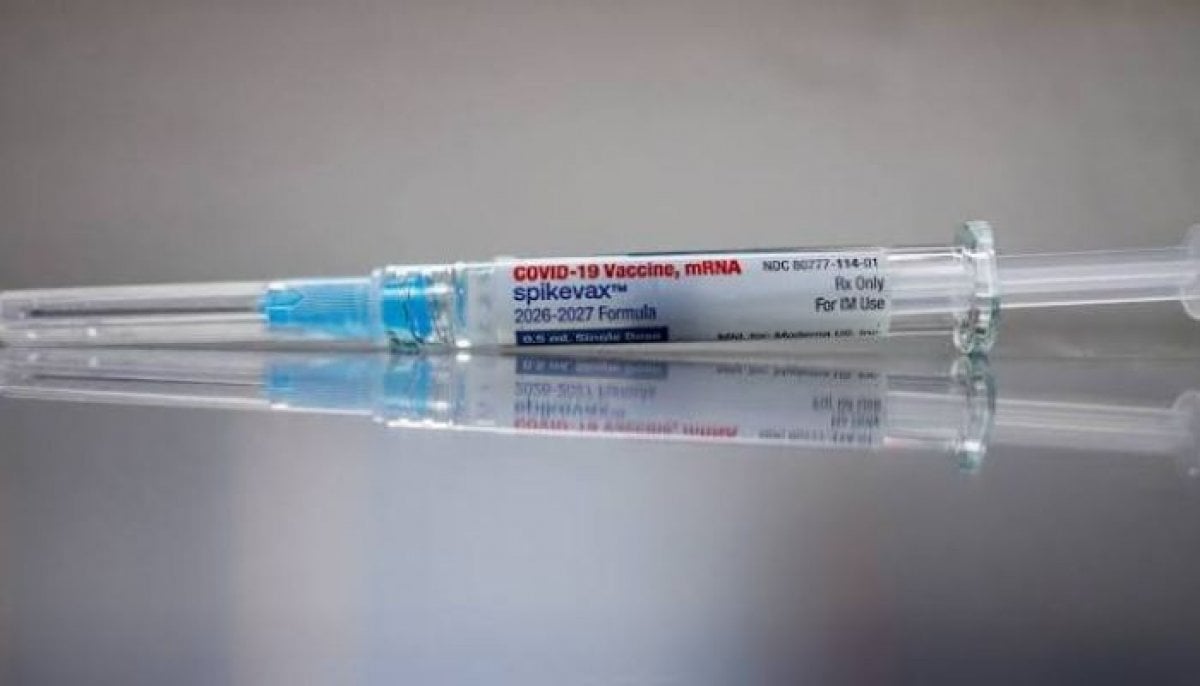 Moderna loses US government license defense in patent case
 -
 Novo says new Ozempic shows lower cardiovascular risk compared with Lilly’s Mounjaro
 -
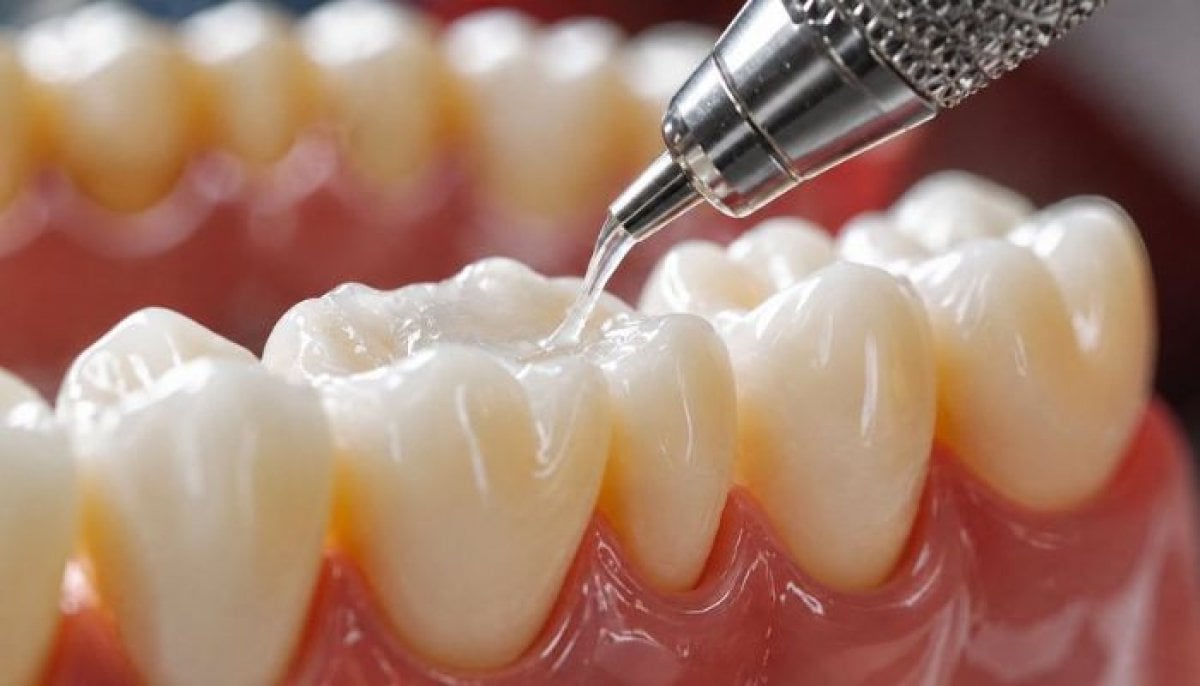 University of Nottingham researchers say new gel could regrow tooth enamel in weeks
 -
 New Chinese drug extends stroke treatment window from hours to 2 days: study finds
 -
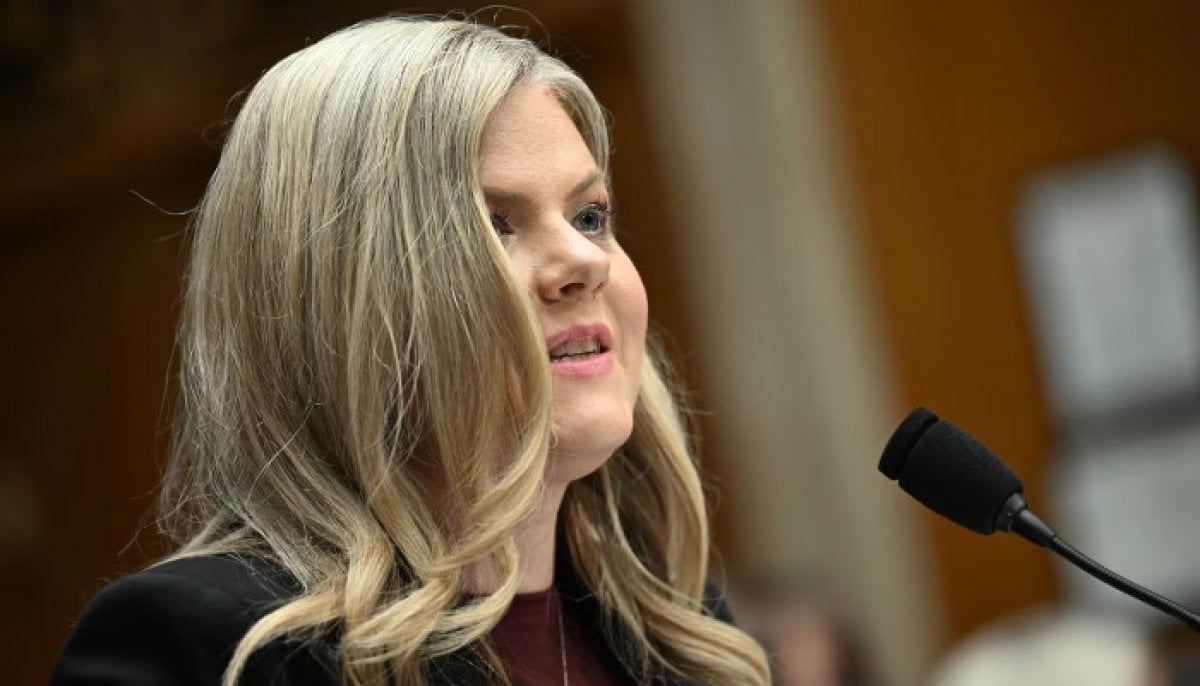 Trump’s FDA nominee Heidi Overton defends vaccines, contradicting his claims