Google further simplifies sign-in on Android & Wear OS
Google's latest updates bring simplified sign-ins and enhanced security
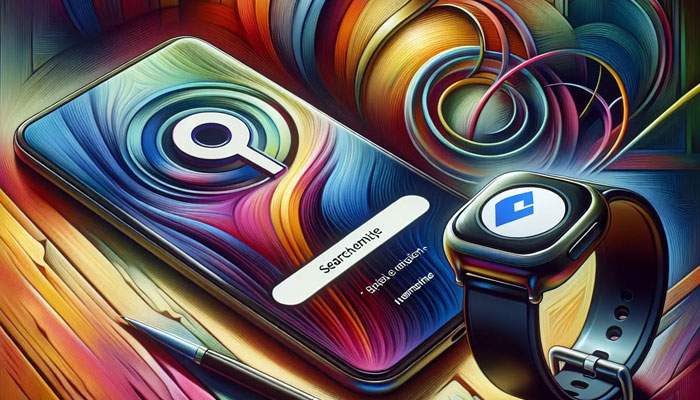
Google has further streamlined the sign-in process on Android 15 and Wear OS 5.
The company has released consumer-focused upgrades for the sign-in process. It has refined the user experience on Galaxy smartphones and smartwatches.
The new upgrades move from a two-screen to a single-screen model for sign-ins. The new model allows users to input their login credentials on one screen and then verify their identity with biometric methods.
Google’s new updates also include options for storing recovered passkeys in the cloud which when combined with offline storage through the Credential Manager, ensures seamless app function, even when switching devices or in cases of data loss.
People using third-party password management apps like 1Password and DashLane will also benefit as the apps are set to adapt to these features.
Google has also included advancements to Material You in Android 15. The design language was first launched with Android 12 and now includes features like a volume control menu with media playback controls, one-tap sign-ins, and options to restore passkeys from the cloud.
The new update is focused on the user experience that is secure, easy to use, and visually pleasing.
Overall, Google's updates prioritise user experience and security, making it easier and safer for users to access their accounts.


-
 SpaceX Falcon 9 launches 21 military satellites into orbit
 -
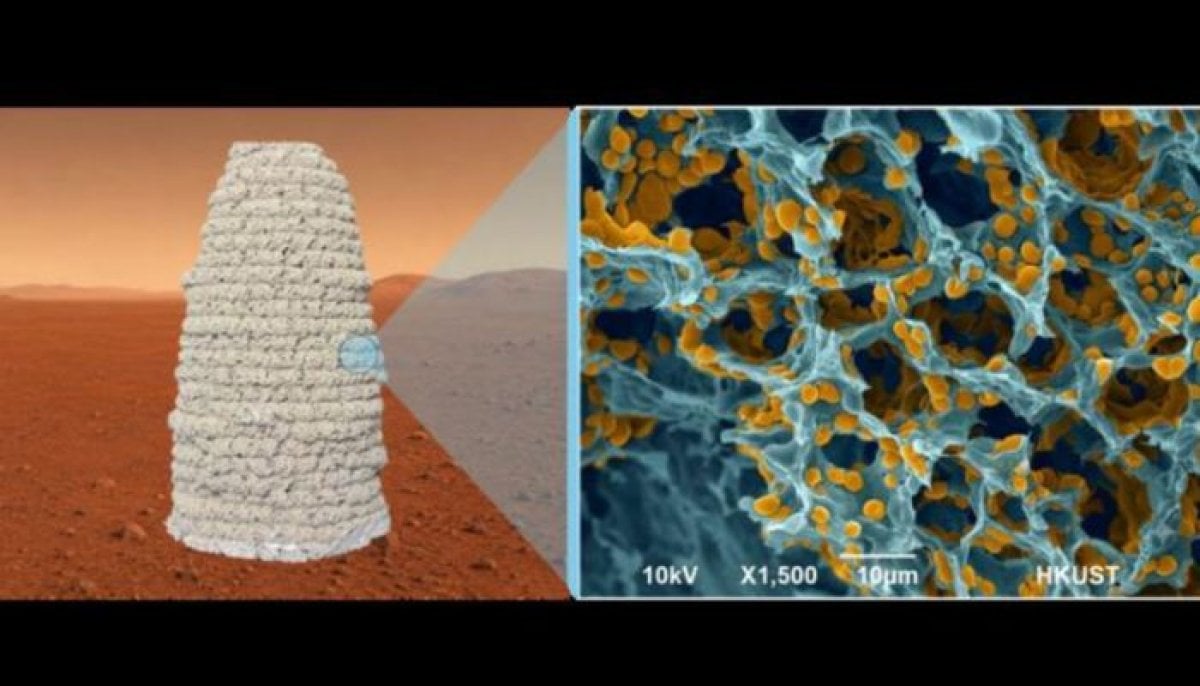 Could a newly engineered microbe help humanity survive on Mars?
 -
 Astronomers find most distant fast radio burst ever recorded
 -
 Draconid meteor shower tonight: Best time and places to see it
 -
 ‘A dream for 50 years’: Why world’s first nuclear clock could change timekeeping
 -
 NASA Curiosity captures strange ‘wind-carved’ Mars landscape in dawn image
 -
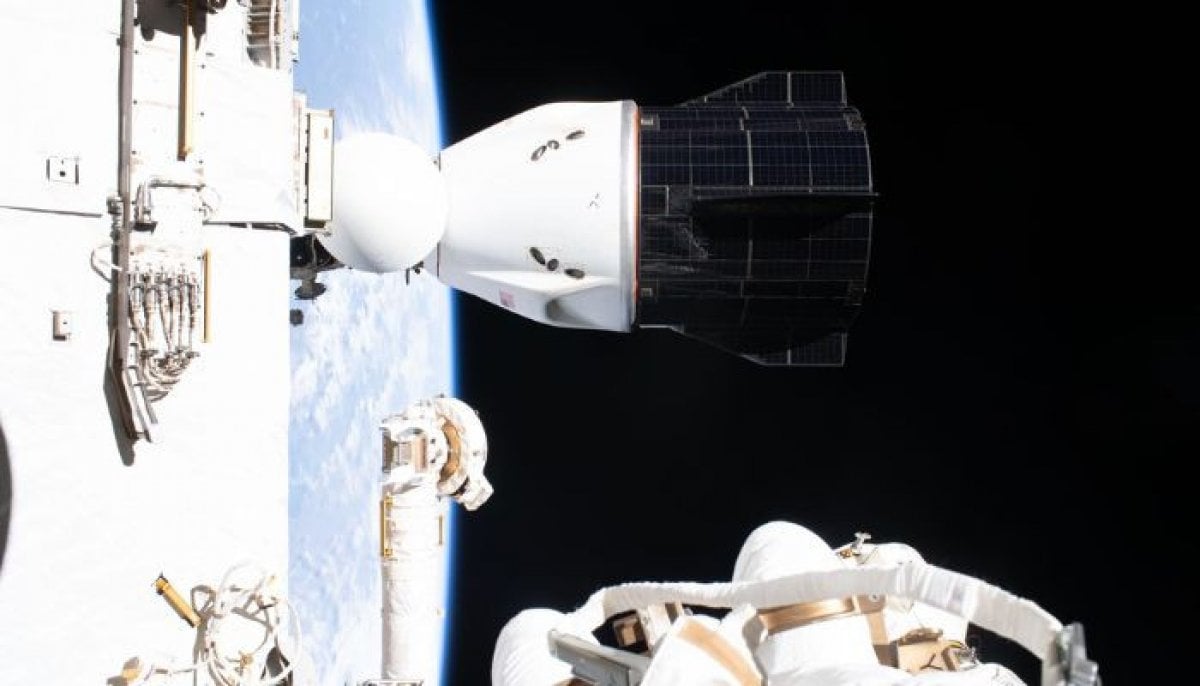 NASA's Crew-12 Dragon begins return trip from space station
 -
 Mysterious ‘phoenix planet’ found around the remains of a dying star