Melting glaciers may trigger volcanic eruptions
Glaciers tend to suppress volume of eruptions from volcanoes beneath them, says researcher
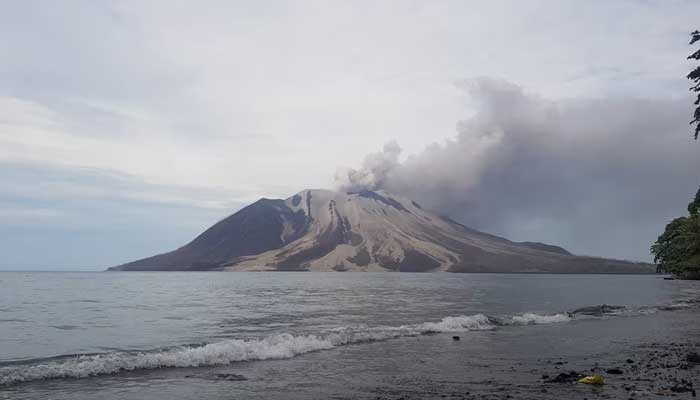
Scientists cautioned that melting glaciers may cause volcanic eruptions to become more frequent and powerful, possibly worsening climate change.
Numerous volcanoes located beneath glaciers in areas such as Antarctica, Russia, New Zealand, and North America could become more active as rising global temperatures cause the ice to retreat. This warning is based on a recent study of six volcanoes in southern Chile during the last ice age, reported Live Science.
The researchers are set to present their findings on Wednesday (July 8) at the 2025 Goldschmidt Conference in Prague.
"Glaciers tend to suppress the volume of eruptions from the volcanoes beneath them. But as glaciers retreat due to climate change, our findings suggest these volcanoes go on to erupt more frequently and more explosively," study lead-author Pablo Moreno Yaeger, a graduate student at the University of Wisconsin-Madison, said in a statement.
Scientists first proposed in the 1970s that melting glaciers could influence volcanic activity. The concept is straightforward: glaciers exert heavy pressure on Earth's crust and mantle, and when this weight is removed as ice melts, magma and underground gases can expand. This buildup of pressure can trigger more explosive eruptions.
This phenomenon has already been observed in Iceland, which sits atop the boundary between the North American and Eurasian tectonic plates. In 2002, researchers found that volcanic activity in Iceland significantly increased as glaciers melted at the end of the last ice age around 10,000 years ago. During that period, eruption rates were 30 to 50 times higher than before or after.


-
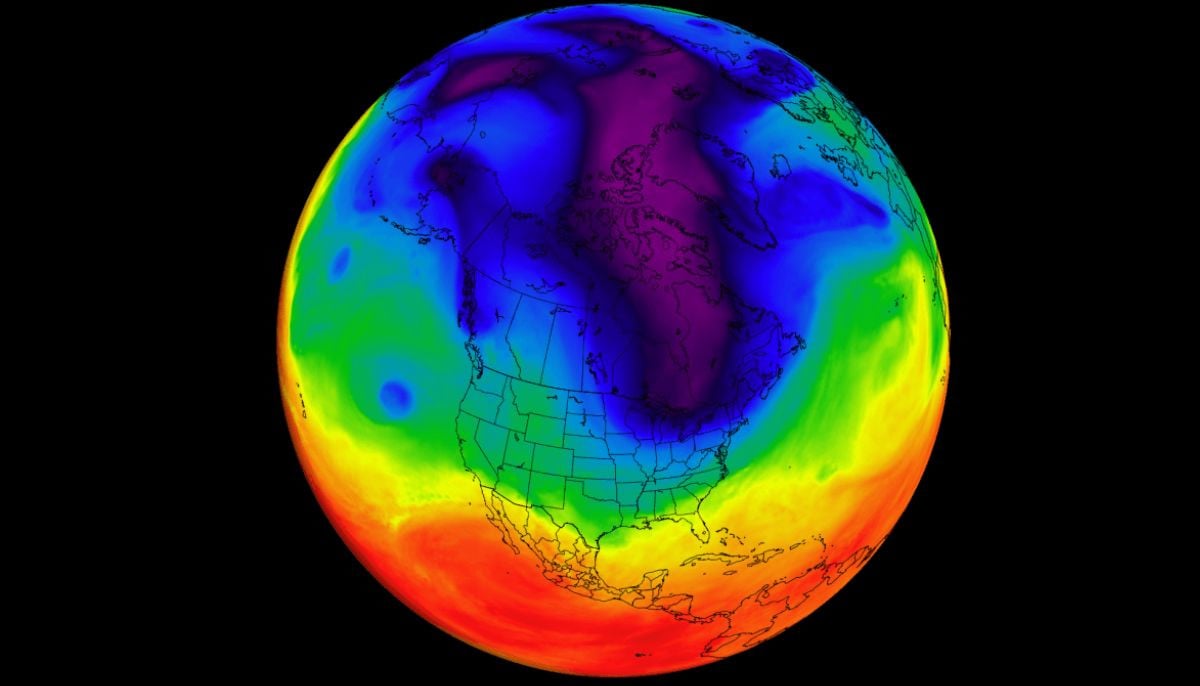 Polar Vortex enters final ‘seasonal’ phase: Rare shift signals winter weather risks into April
 -
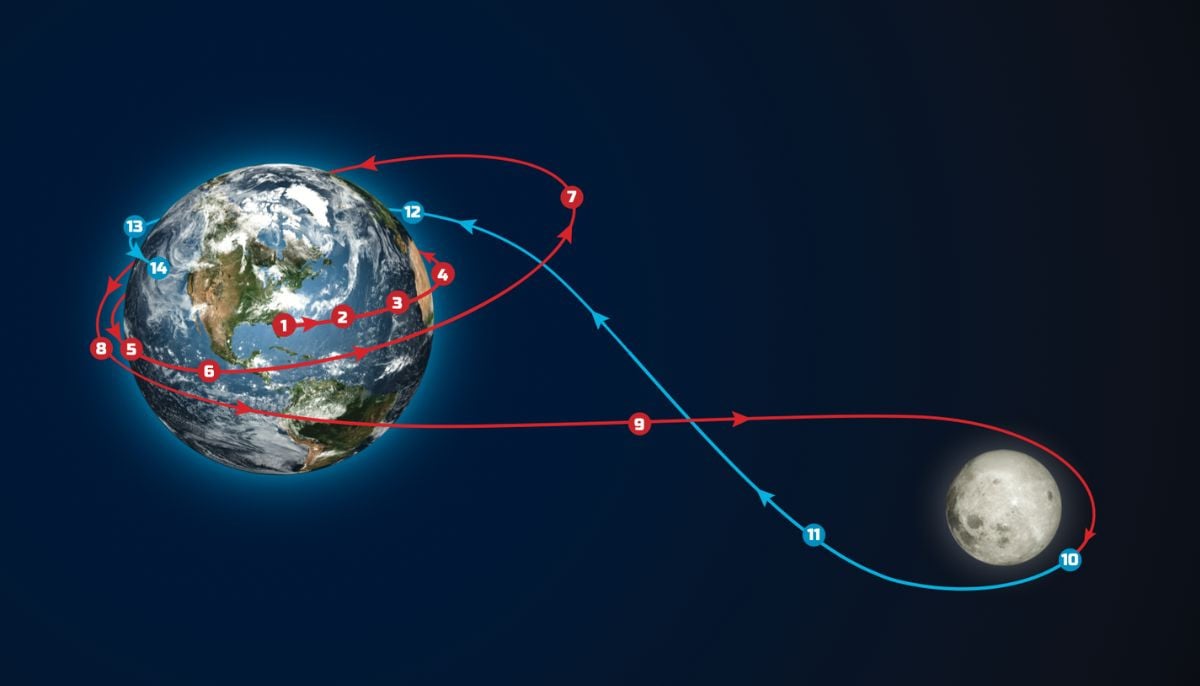 Why NASA Artemis II won’t take straight path to Moon: ‘Figure-8’ route explained
 -
 Even in space: NASA Artemis II astronauts hit Outlook glitch mid-mission
 -
 Artemis II hurtles ever closer to the lunar far side
 -
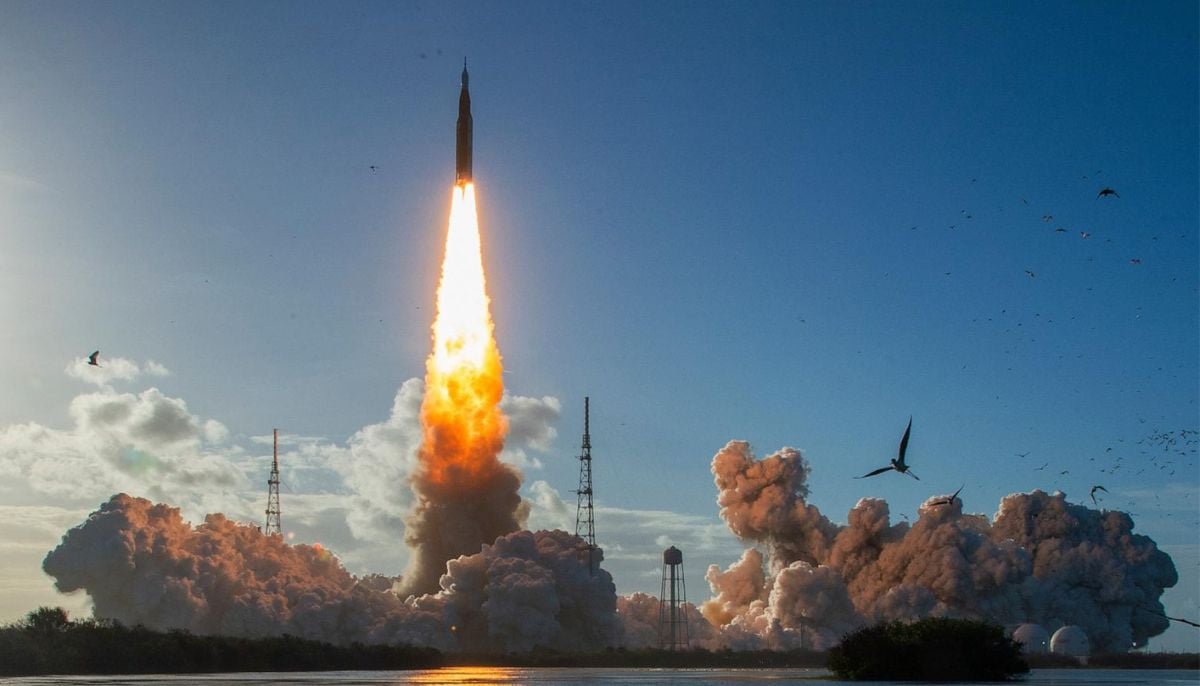 Where is Artemis II today? Here is everything to know about NASA’s journey to the moon
 -
 European Space Agency to negotiate with NASA on future lunar missions
 -
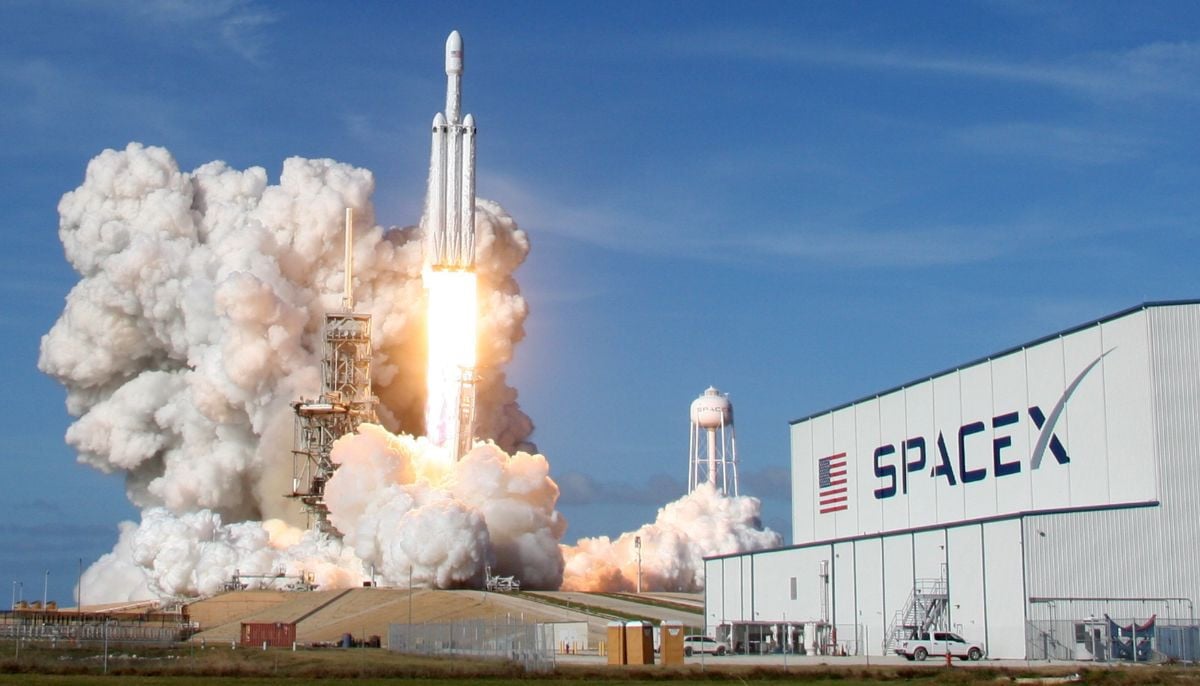 SpaceX AI satellites plan raises doubts after Microsoft setback
 -
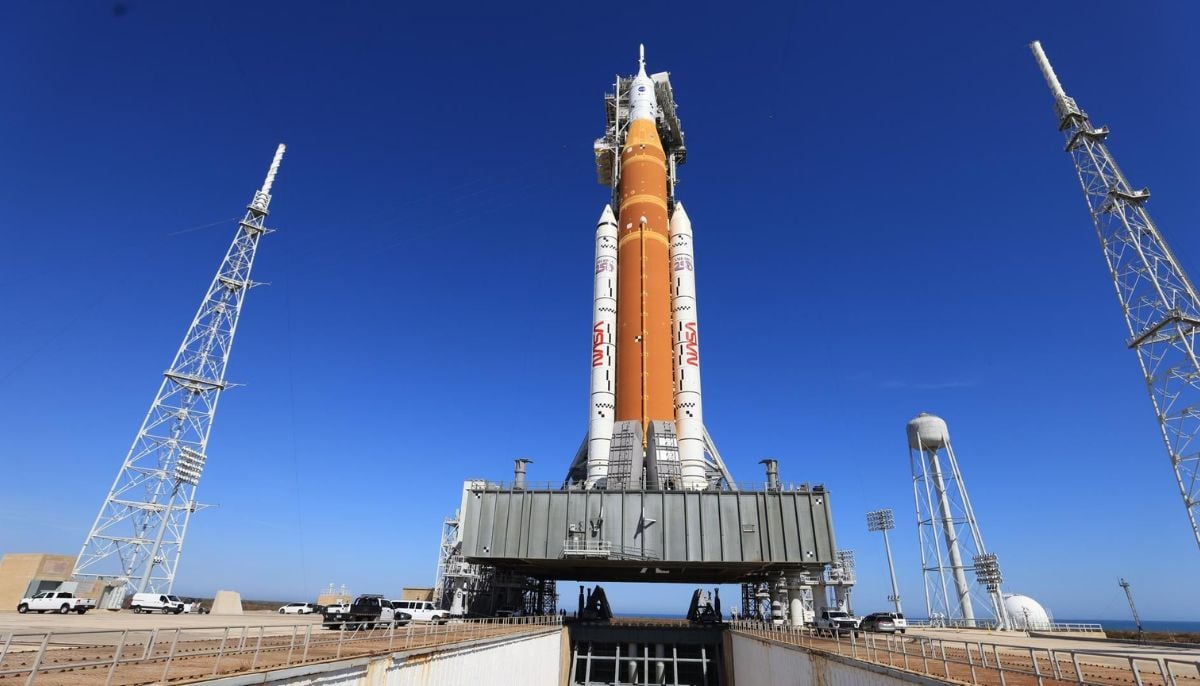 NASA Artemis II lifts off, sending cubesats into deep space study