Middle Age squirrels likely behind leprosy in modern England
Leprosy in modern England is given by squirrels from Middle Ages, claim researchers

Leprosy may have been spread to humans in the Middle Ages by squirrels, as per researchers.
After examining bones from red squirrel and human remains from Winchester, southern England, archaeological sites, scientists discovered that the bacterium that caused it was closely linked to both cases, according to BBC.
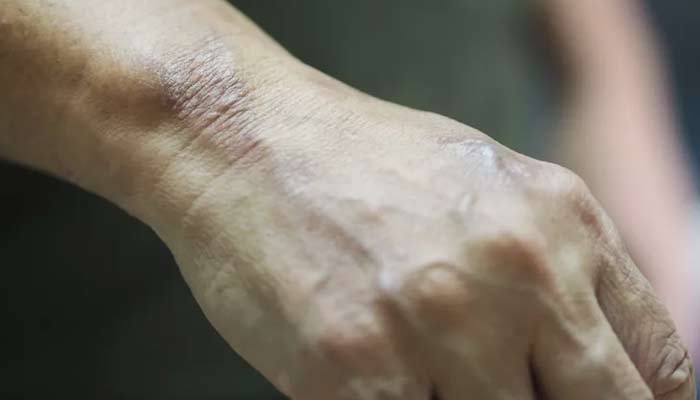
Leprosy is a chronic, contagious disease that affects the skin, nerves, and mucous membranes in people.
Although it hasn't been reported to have been found in the UK in 70 years, it is still endemic in many other countries.
It is believed that armadillos transmit it to people. Though, there has never been a case of human-to-human transfer and specialists claim the danger is extremely minimal, some current red squirrels in the UK are also carriers of the disease.
It's the first time the disease's host has been found to be an animal from the Middle Ages.
"The finding of leprosy in modern squirrels was surprising and then it's incredible that we found it in the medieval period," said study co-author Dr Sarah Inskip of the University of Leicester.
"It really goes against the narrative that it was a human disease specifically," she said.
It's unclear if leprosy was spread by squirrels to people in the Middle Ages or vice versa.
However, the common strain indicates that HIV was spreading in a way that hadn't been found previously between humans and animals in the Middle Ages, the researchers said.


-
 Parasite behind ‘explosive diarrhea’ spread across 31 US states: What to know
 -
 Tick-borne anaplasmosis on the rise in Canada, CMAJ study warns
 -
 Heat warning in Ontario: here’s what you can do to stay safe during extreme heat waves
 -
 More than 3,000 sick in Michigan and Ohio as Cyclospora outbreak sparks lettuce warning
 -
 Young, healthy non-smokers getting lung cancer? Experts explain why
 -
 US citizen tests positive for Ebola amid DR Congo outbreak
 -
 5 phone screen settings to change for healthier eyes
 -
 US Food and Drug Administration approves ZYN nicotine pouch risk modification claim
-
 Cyclospora outbreak: is the diarrhoea-causing parasite spreading to Canada?
 -
'No calorie counting, no meal skipping': Study unveils 'cheat-code' for weight loss
-
New study links sitting longer than 30 minutes to higher cancer death risk
-
Scientists discover deep sleep benefits that improves quality of life