More aftershocks from Northeast earthquake to continue, warn seismologists
More than a dozen aftershocks have been reported from or near the epicentre since the earthquake
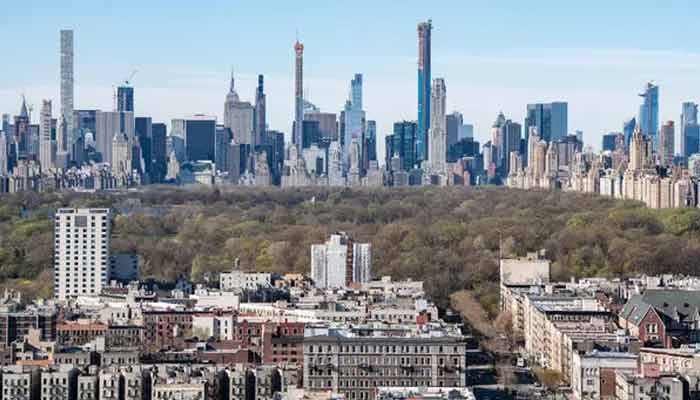
After East Coast's strongest earthquakes in 100 years hit New York and surrounding areas, seismologists warned that more aftershocks could continue up to a week, CBS News reported.
The United States Geological Survey (USGS) has issued alerts that the ground is not done shaking yet.
No significant damages or injuries were reported after 4.8 magnitude earthquake on Friday, however, more than a dozen aftershocks have been reported from or near the epicentre since then.
As of Saturday, the USGS has given a 60% probability of aftershock registering 3 magnitude or greater within the next week, Fox News reported.
The probability rises to 84% of a 3 magnitude or greater aftershock by stretching the timescale to over the next month.
Dax Soule, a seismologist and assistant professor at Queens College, said, "While aftershocks are a concern for the first 24, 36, 72-hour period out to about a week, the entire East Coast is a seismically active area."
How to stay safe during an earthquake?
- Take cover under some sturdy furniture, such as table or bed.
- Protect yourself by covering your head and face in a crouching position.
- Stay away from glass, windows, or anything that could fall.
- Stay inside until shaking stops, do not run outside as reports suggest most injuries occur when people try leaving a building.


-
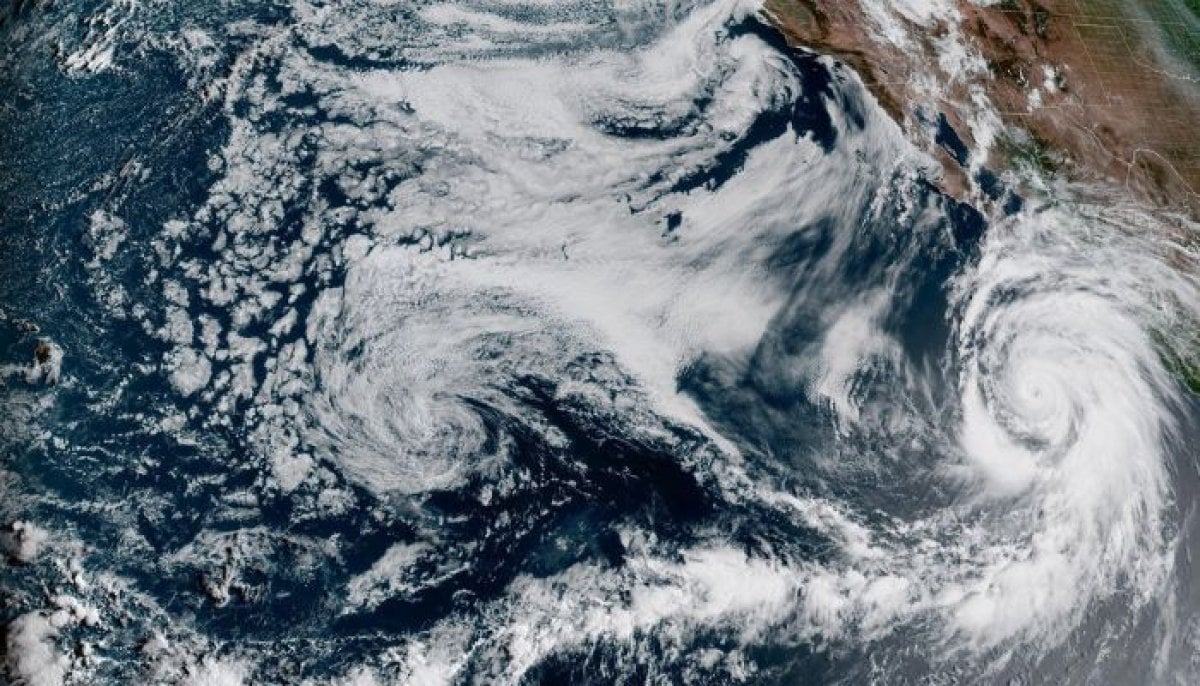 UN raises alarm as intensifying El Niño threatens more ‘extreme weather events’
 -
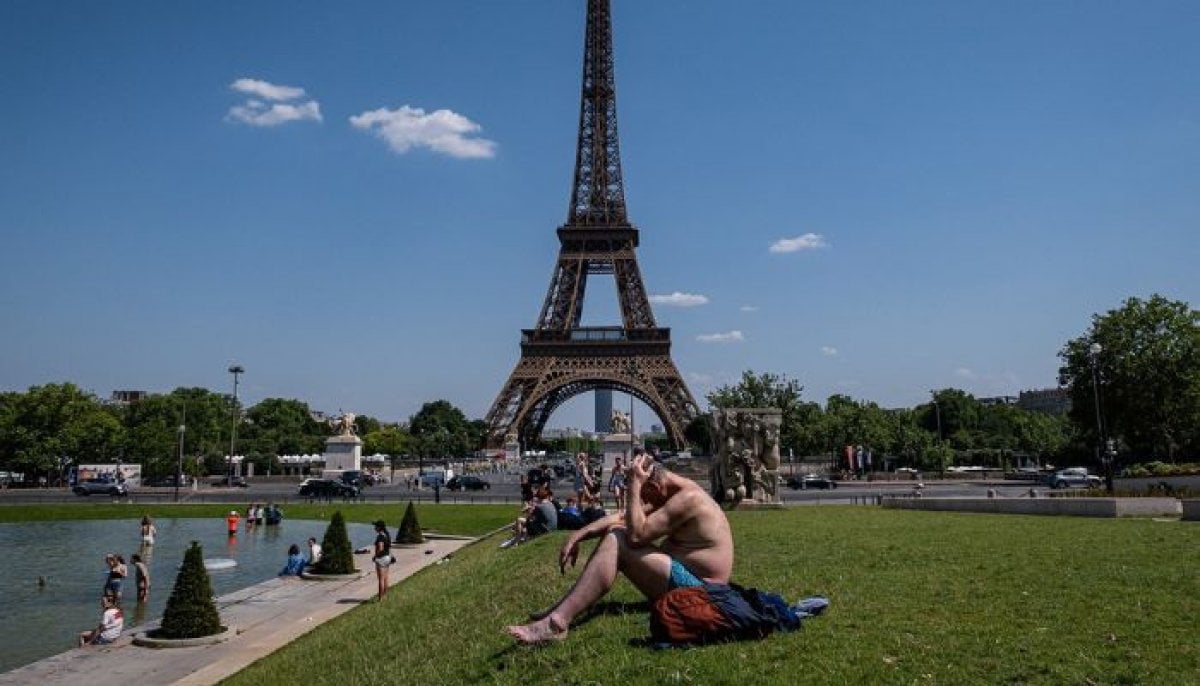 Europe heatwave death toll hits 3,700 across 3 nations
 -
 Is Russia preparing to test NATO? US warning puts Poland in focus
 -
 US indirectly warned Iran of alleged Israeli assassination plots during peace talks
 -
 Germany to tighten sick leave rules and raise retirement age under new reforms
 -
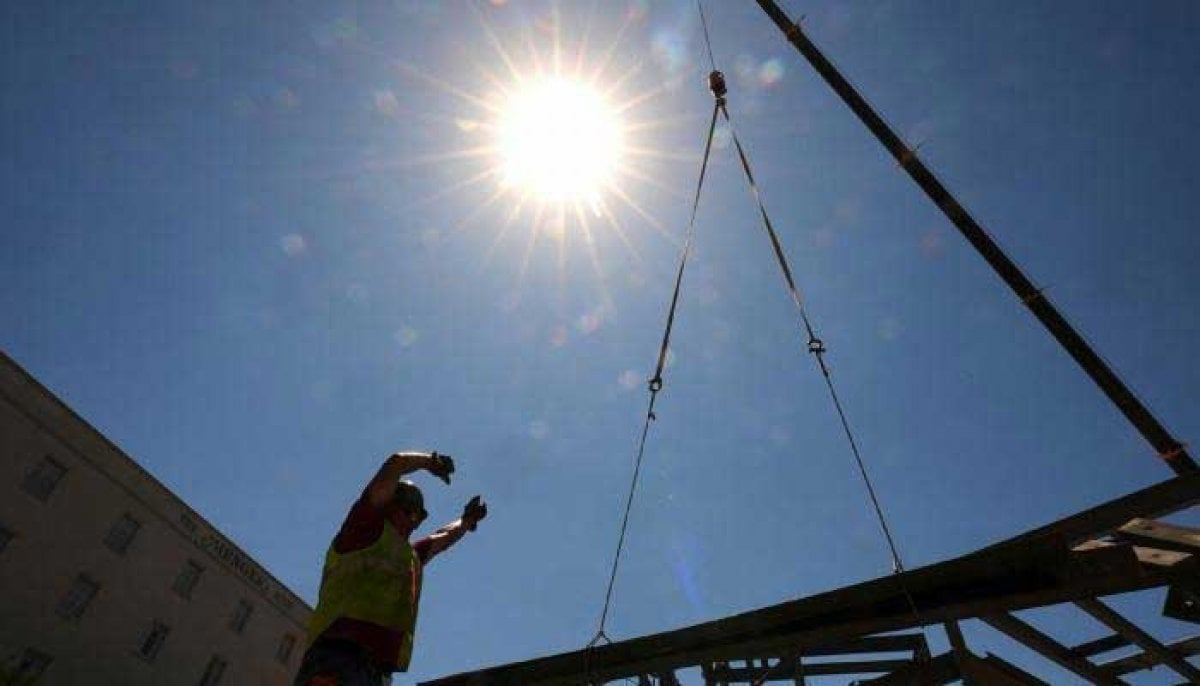 Louisville residents urged to stay safe in heat during Fourth of July weekend
 -
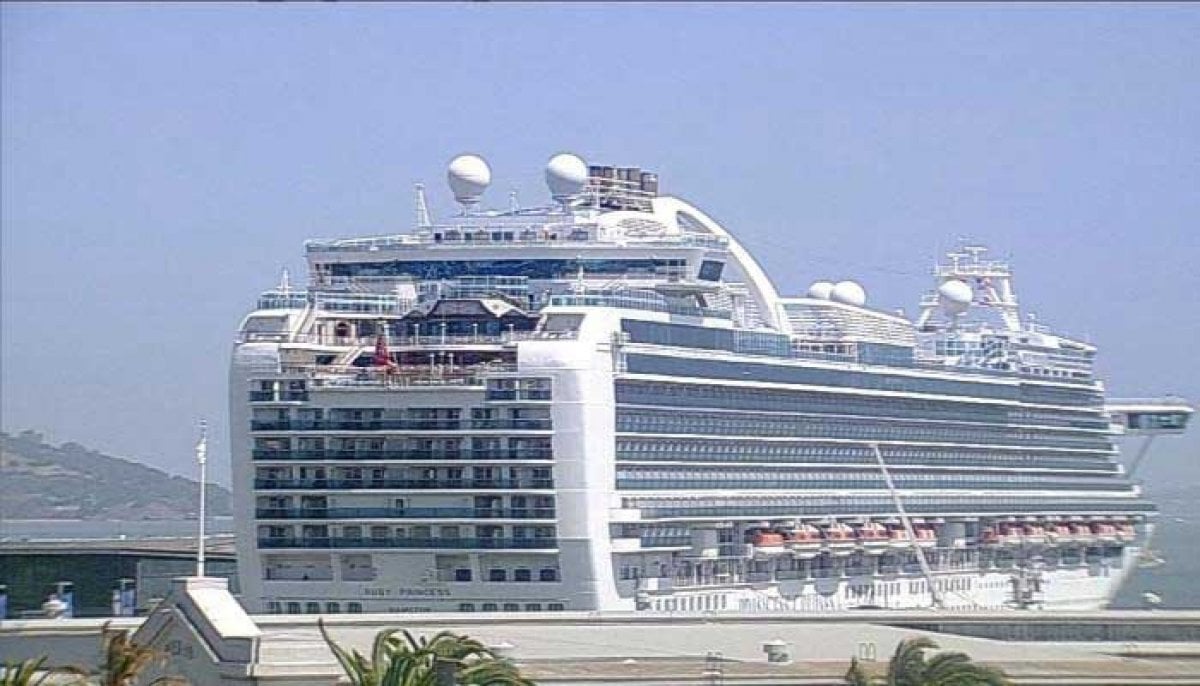 Over 100 passengers fall ill in suspected norovirus outbreak on Ruby Princess
 -
 Canada’s Carney secures Alberta pipeline to Pacific coast to expand oil exports beyond the US
-
 Trump defends reported $1.4B cryptocurrency earnings: ‘Nothing illegal or wrong’
 -
Malta businessman Yorgen Fenech paid €150,000 to kill journalist Daphne Caruana Galizia, jury told
-
Nancy Guthrie: LA man pleads guilty to sending fake ransom notes in abduction case
-
US appeals court upholds Los Angeles-area gas appliance ban