Dear teens: Vaping is not safer alternative to cigarettes — here's why?
Vaping can cause number of health problems, and it is not safer than cigarettes
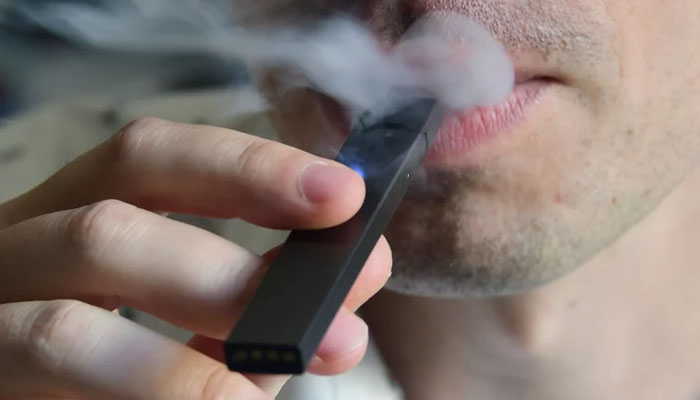
Allowing people to get a nicotine hit without suffering the harms of traditional cigarettes, vaping is widely considered a safer alternative to smoking.
But it doesn't neccessarily mean safe. With multiple studies raising the alarm about vaping's potential risks, evidence is now piling up to show the gadgets pose their own dangers, according to Daily Mail.
The meteoric rise of the habit among teens and even younger children, who have never smoked before, are concerning the experts.
Vaping triggers cell changes which may go on to cause cancer just like traditional tobacco smoking as fresh e-cigarette health fears were sparked today after an alarming study.
Similar DNA changes in the cell samples taken from both groups were found by the scientists, who examined mouth swabs from smokers and e-cigarette users.
It indicated vaping is “not as harmless as originally thought”, according to researchers from University College London and the University of Innsbruck, Austria.
Long-term use of the devices may cause significant damage to health as per the experts.
There is no good evidence that vaping causes cancer, as per Cancer Research UK.
Previous studies have also found Vapers experienced a similar pattern of changes within their genes as smokers, according to previous studies, although the changes are more extensive in people who smoke.


-
 Everything to know about US FDA’s new guidance on apps used with prescription drugs
 -
 ‘Immortal’ jellyfish could hold clues to slowing human ageing
 -
 Ebola crisis worsens in DR Congo as virus reaches eighth province with over 4,500 dead
 -
 Study finds eating blueberries every day can surprisingly boost your mood
 -
 Eli Lilly’s Foundayo weight-loss pill gets European approval recommendation
 -
 What is BPC-157? Trump administration considers easing rules on popular peptide injections
 -
 West Nile virus: Europe reports 141 deaths as human cases rise in 2026
 -
 Health Canada reviewing new mRNA flu vaccine that could prevent more hospitalisations