Which type of carbs should you be avoiding for attractive face?
Carbs, sugars may have significant effect on your facial attractiveness

Long-term and short-term consumption of high-glycemic meals has a significant impact on a person's facial attractiveness, irrespective of their age and body mass index (BMI).
According to heterosexual volunteers of the opposite sex, there is a statistically significant correlation between an individual's intake of refined carbs and their perceived facial beauty.
The University of Montpellier in France's Visine and colleagues conducted this study, which was published in the open-access journal PLOS ONE.
Refined carbohydrates, or foods processed in a way that usually removes much of their nutritional content, are abundant in the Western diet, according to SciTech Daily.
Examples of these foods include table sugar, white flour, and ingredients in many packaged snacks. Increased intake of refined carbohydrates has been associated in the past with negative health outcomes, including obesity, type II diabetes, and cardiovascular illnesses.
Based on preliminary data, eating a lot of refined carbs may have an impact on non-medical characteristics like one's appearance.
According to statistical research, eating the high-glycemic breakfast was linked to poorer judgements of both men's and women's facial attractiveness thereafter.
While eating high-energy foods at these times was linked to increased attractiveness ratings, chronic use of refined carbs during breakfast and snacks was also linked to lower attractiveness ratings.


-
 Moderna loses US government license defense in patent case
 -
 Novo says new Ozempic shows lower cardiovascular risk compared with Lilly’s Mounjaro
 -
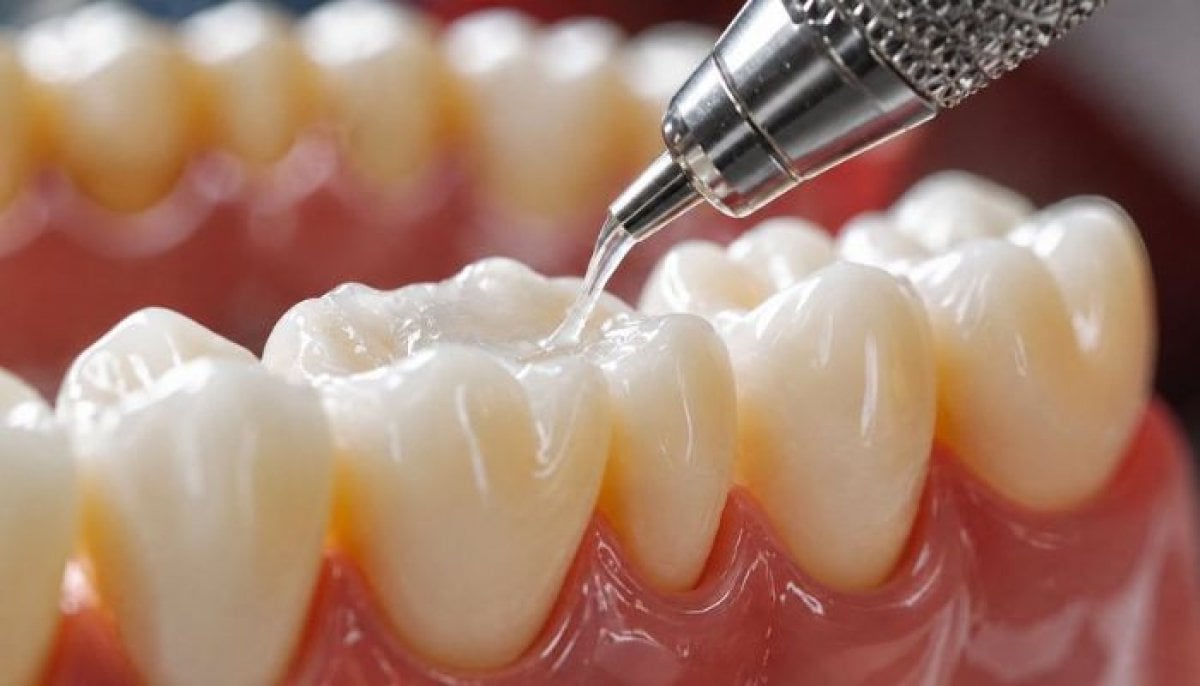 University of Nottingham researchers say new gel could regrow tooth enamel in weeks
 -
 New Chinese drug extends stroke treatment window from hours to 2 days: study finds
 -
 Trump’s FDA nominee Heidi Overton defends vaccines, contradicting his claims
 -
 New once-weekly insulin injection for type 2 diabetes wins FDA approval
 -
 Study identifies key cause of fatigue and brain fog
 -
 Apple’s screenless fitness tracker plans revealed: What to know