
'Most wanted terrorist' Machude Omar killed: reports
Us State Department designated Omar as a wanted terrorist two years ago
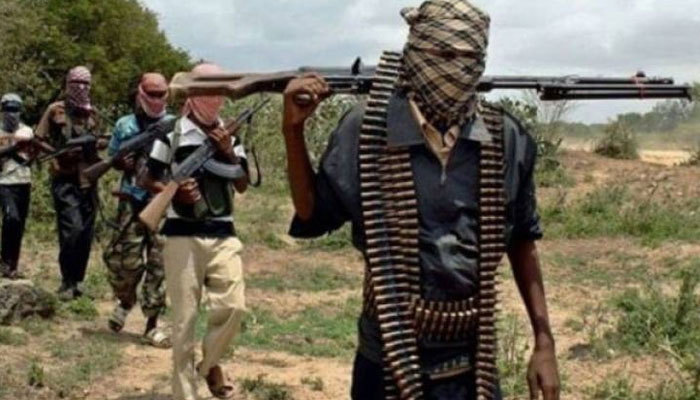
The government of Mozambique said Saturday that its armed forces killed the chief of a militant group linked to Daesh, spreading unrest in the northern areas of the country.
Bonomade Machude Omar - also known as Ibn Omar - had led the insurgents since the start of the conflict in 2017, the defence ministry said.
According to the statement, Omar was killed along with two other senior members.
However, the deaths have not been confirmed by independent sources.
The US State Department designated Omar as a terrorist leader two years ago, blaming him for attacks in Cabo Delgado province, including the killing of dozens of people at a hotel in Palma.
A month earlier, Mozambique's military, in collaboration with hundreds of soldiers from Rwanda and several southern African countries, initiated a major offensive against the militants.
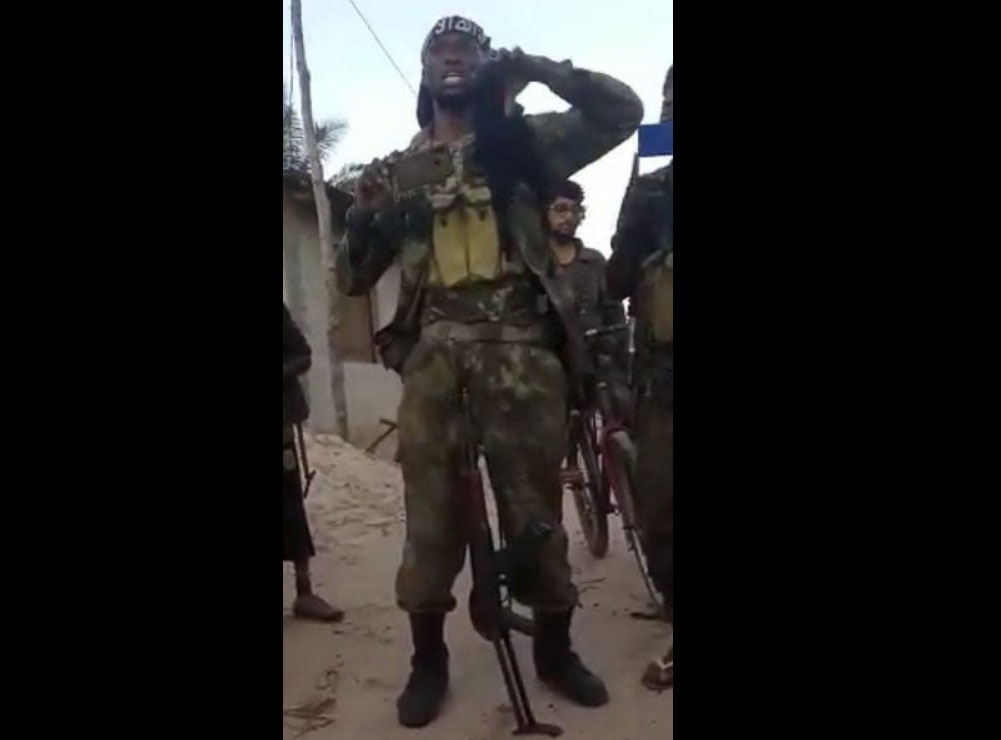
Omar and two associates from the Daesh-linked group were killed in a forest in Macomia in an operation carried out with the army's foreign allies, the government said.
During a news conference on Friday, Mozambique's President Filipe Nyusi said 'it happened on Tuesday.'
According to the United Nations, the violence in northern Mozambique has forced more than a million people to flee their homes.
A multi-billion-dollar gas project has also been put on hold due to the unrest.
The gas and ruby-rich province of Cabo Delgado has been a magnet for Islamists seeking to exploit its lucrative natural resources. Numerous multinational companies operate in the area.
Yet there are high levels of poverty among local Mozambicans, while disputes over access to land and jobs have contributed to local grievances which are readily exploited by militant recruiters.
Rights groups say since the conflict began more than five years ago, civilians have suffered horrendous abuses from government security forces and militant fighters.





-
 Gordie Howe Bridge faces uncertainty after Trump warning to Canada
 -
 Air Canada’s flights to Cuba halted as aviation fuel crisis worsens
 -
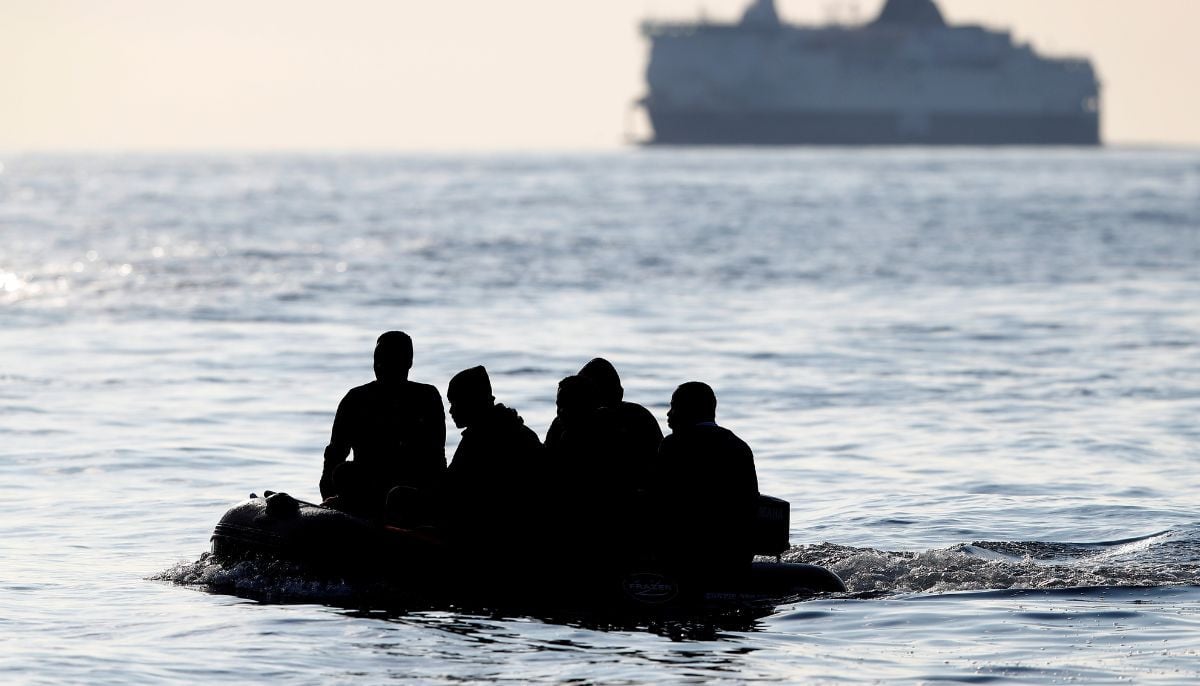 At least 53 dead after migrant boat capsizes off Libya
 -
 'God of War' announces casting major key role in Prime Video show
 -
 Baby left in running bathtub dies after father ‘forgets’ him
 -
 Prince William meets Saudi Crown Prince Mohammed bin Salman
 -
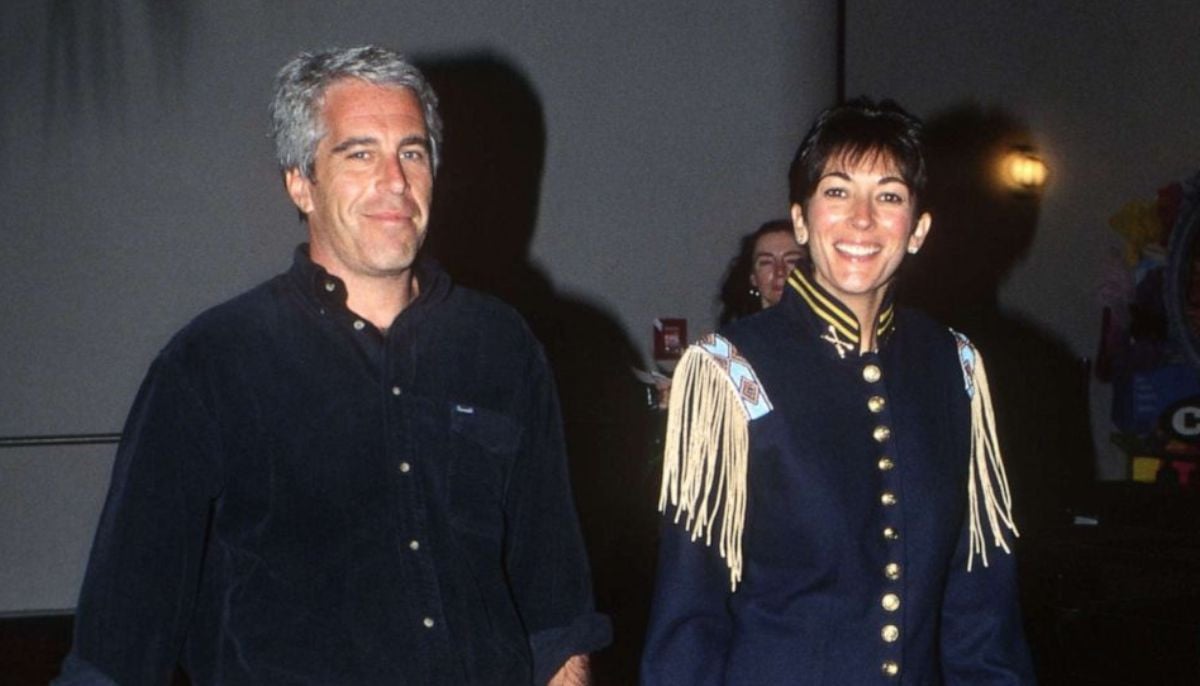 Ghislaine Maxwell will not answer Congress questions on Epstein
 -
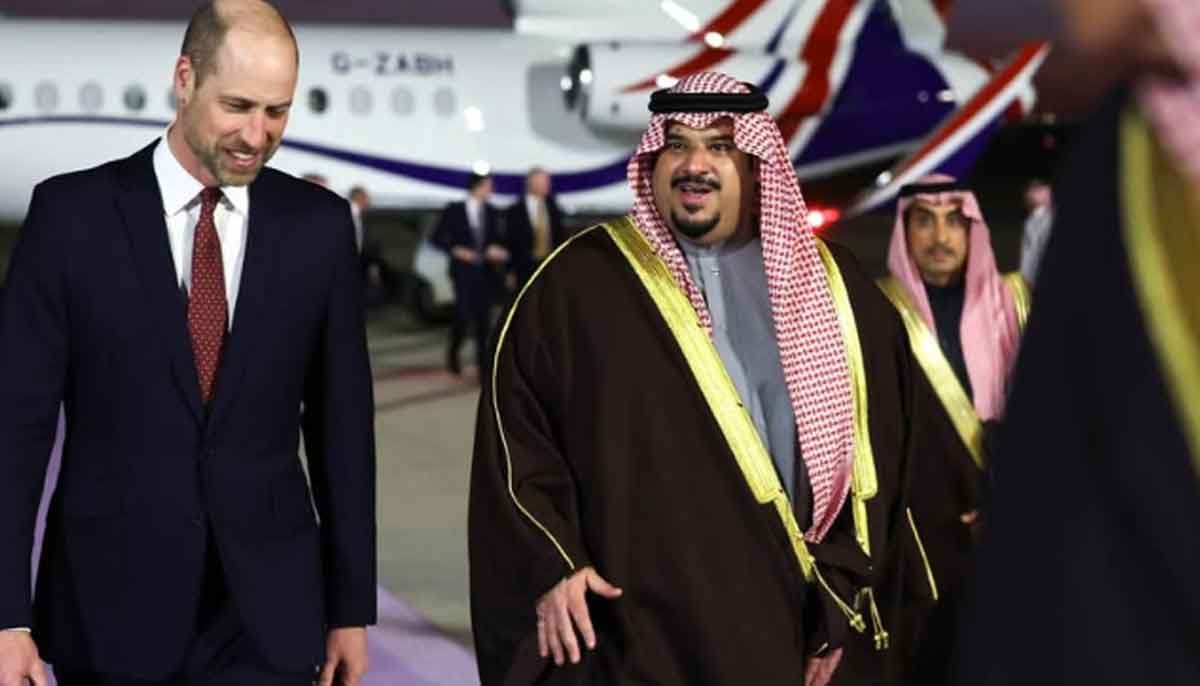 Kensington Palace announces Prince William's arrival in Saudi Arabia