What is Lyme disease and how can you prevent infection?
Lyme disease is most commonly found in wooded and grassy areas, especially in the northeastern United States
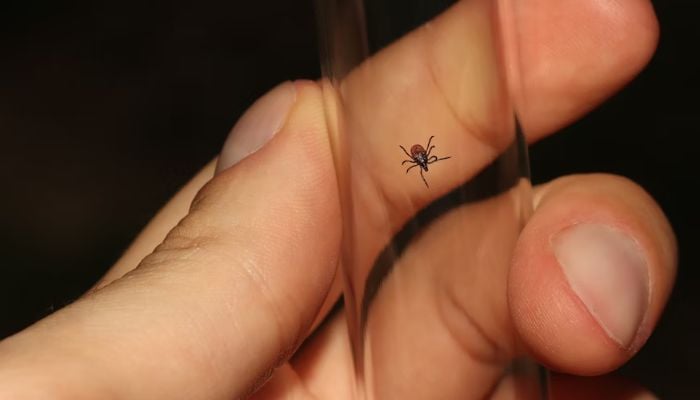
Lyme disease is a bacterial infection that is spread to humans through the bite of an infected tick. The bacteria responsible for Lyme disease is called Borrelia burgdorferi, and it is typically found in deer ticks, which are also known as black-legged ticks. Ticks become infected with the bacteria after feeding on infected animals, such as deer or mice.
Lyme disease is most commonly found in wooded and grassy areas, especially in the northeastern United States. They have recently made the news again.
The symptoms of Lyme disease can vary depending on the stage of the infection, but they often include a circular rash around the bite area, flu-like symptoms, as well as joint pain.
Diagnosis and treatment of Lyme disease
Diagnosing Lyme disease can be hard because the symptoms can look like those of other illnesses. Other than a physical exam, doctors may order blood tests to look for antibodies to the bacteria that cause Lyme disease. However, it's important to note that these tests can be inaccurate, especially in the early stages of the disease.
Treatment for Lyme disease typically involves a course of antibiotics. The type and duration of antibiotics will depend on the stage of the infection and the severity of the symptoms. The doctor will prescribe accordingly. In most cases, early treatment can help treat Lyme disease effectively and prevent the development of more serious complications.
However, in some cases, people with Lyme disease may continue to experience symptoms even after treatment. This is called post-treatment Lyme disease syndrome.
Prevention
Preventing Lyme disease involves taking steps to avoid tick bites. This can include wearing clothes that cover the body when spending time in wooded or grassy areas, using insect repellent, and performing daily tick checks.
If you do find a tick attached to your skin, it is crucial to remove it as soon as possible using tweezers. Be sure to grasp the tick as close to the skin as possible and pull upward. After removing the tick, wash the area with soap and water, and keep checking the area for any signs of a rash or other symptoms.


-
 Novo Nordisk partners with Anthropic to accelerate AI-powered drug discovery
 -
 Congo Ebola outbreak reaches turning point as daily infections fall
 -
 Study reveals why some babies are born with heart defects
 -
 Third measles-associated death reported as Pennsylvania outbreak reaches 676 cases
 -
 Cyclosporiasis outbreak: US officially ends largest outbreak linked to contaminated lettuce
 -
 Hot beverages increase risk of cancer? New research provides in-dept details
 -
 Highest-level recall issued for potato chips over banned ingredient posing death risk
 -
 Very hot tea and coffee could triple cancer risk, Oxford study warns