
Cancer diagnosis and treatment may be possible with AI: study
AI-powered AlphaFold broke new scientific ground in predicting structure of human proteins, says co-author of study
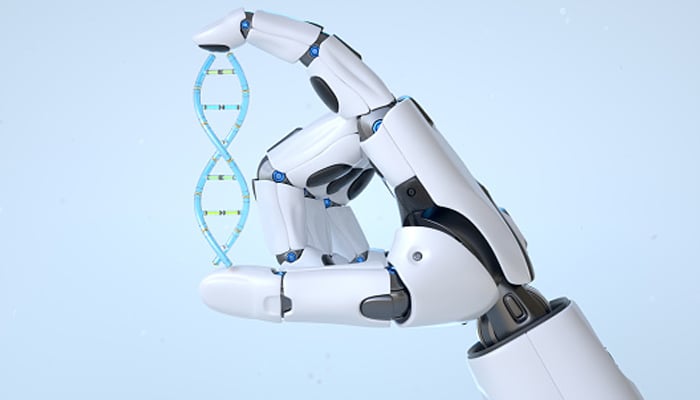
Apart from artificial intelligence (AI) writing several essays and passing bar exams, it is also capable of treating and detecting different types of cancers, according to a report from Scripps News.
Researchers from the University of Toronto and Insilico Medicine used an AI database called AlphaFold and developed in just 30 days a medicine that could treat hepatocellular carcinoma (HCC), or liver cancer
The study which was published in the journal Chemical Science in which the AI system discovered the previously unexplored paths to develop a cancer medicine to treat HCC and developed a novel hit molecule, that could bind the target.
In the second round, they discovered an even more powerful hit molecule, however, the researchers maintained that the drug still needs to undergo clinical testing before it can be launched to treat cancer in hospitals.
However, they said any potential drug would still need to undergo clinical trials before it can be used to treat cancer.
Feng Ren, the study's co-author, said in a statement that the AI-powered AlphaFold broke new scientific ground in predicting the structure of human proteins.
"At Insilico Medicine, we saw that as an incredible opportunity to take these structures and apply them to our end-to-end AI platform in order to generate novel therapeutics to tackle diseases with high unmet needs. This paper is an important first step in that direction," he also added.
In another study journal JAMA Network Open, the experts from the BC Cancer and University of British Columbia showed how accurately AI predicted the survivor rates of patients with cancers.
It analysed the survival rates of more than 47,000 patients from six months to three and five years.
Dr John-Jose Nunez, lead author of the research study said in a statement: "The AI essentially reads the consultation document similar to how a human would read it."
"These documents have many details like the age of the patient, the type of cancer, underlying health conditions, past substance use, and family histories. The AI brings all of this together to paint a more complete picture of patient outcomes", he underscored.
Nevertheless, researchers are currently at the nascent stage of exploring the full potential of AI in health care and the treatment and diagnosis of diseases, however, the studies suggest that it can potentially be promising.
"Our hope is that a tool like this could be used to personalise and optimise the care a patient receives right away, giving them the best outcome possible," Nunez said.




-
 Northern Lights: Calm conditions persist amid low space weather activity
 -
 SpaceX pivots from Mars plans to prioritize 2027 Moon landing
 -
 Dutch seismologist hints at 'surprise’ quake in coming days
 -
 SpaceX cleared for NASA Crew-12 launch after Falcon 9 review
 -
 Is dark matter real? New theory proposes it could be gravity behaving strangely
 -
 Shanghai Fusion ‘Artificial Sun’ achieves groundbreaking results with plasma control record
 -
 Polar vortex ‘exceptional’ disruption: Rare shift signals extreme February winter
 -
 Netherlands repatriates 3500-year-old Egyptian sculpture looted during Arab Spring