Internet back to normal in Pakistan, fault fixed: PTA
Pakistan's internet users faced problems due to a dual cut in SEAMEWE-5, till repair of fault at 2am on November 30
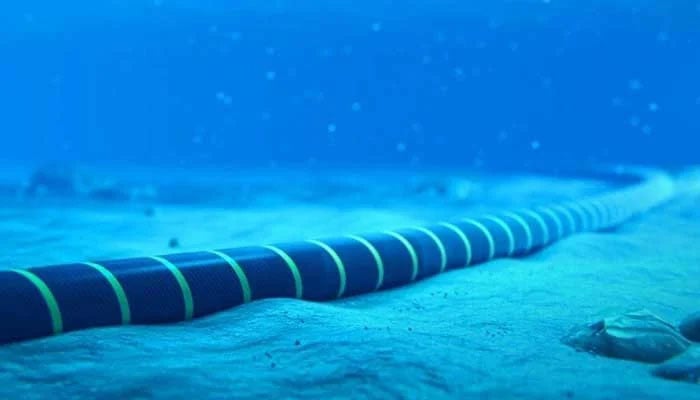
Internet services are back to normal across Pakistan as the submarine cable cut has been fixed, the Pakistan Telecommunication Authority (PTA) shared in an update on Wednesday.
On Tuesday, Pakistan's internet users faced problems in network connectivity as a result of a dual cut in the terrestrial segment of SEAMEWE-5, an optical fibre submarine communications cable.
The fault, however, has now been repaired and internet services are operational "as per normal routine”, according to PTA.
"Dual cut in the terrestrial segment of SEAMEWE-5 between the cities of Abu Talab and Zafrana in Egypt have been reported," PTA had reported on Twitter Tuesday night.
However, the telecommunications body said Wednesday morning that fault had been repaired at 2am.
Meanwhile, NetBlocks — a global internet monitor — had tweeted that the internet disruption had impacted multiple countries including Pakistan, Indonesia, Djibouti, Eritrea, Yemen, Oman, Somalia, and Chad.


-
 Scientists found 'super-puff' planets 1,110 light-years away
 -
 Scientists find ancient microbial life in places it shouldn't exist
 -
 Why Marijuana is suddenly sending thousands of dogs to hospitals in US?
 -
 36 years on, Hubble shows how stars actually change over time
 -
 Hidden magma beneath Mars? Scientists' 'unexpected' discovery raises new questions about alien life
 -
 Rare 3,200-year-old coral blue hole discovered in South China Sea
 -
 What happens at black hole’s event horizon? Scientists find the first-ever clue
 -
 Scientists discover evidence of fires used by humans 1.8 million years ago
-
 Did NASA just uncover evidence of ancient life on Mars? Key discoveries explained
 -
Four powerful earthquakes strike three continents within hours: Scientific link or coincidence?
-
Mysterious interstellar comet passing our solar system may be 12 billion years old, scientists say
-
When do we really become adults? Science has an answer