Twitter suspends $8 blue tick subscription programme: sources
On the condition of anonymity, the source says that existing subscribers will still have access to their accounts
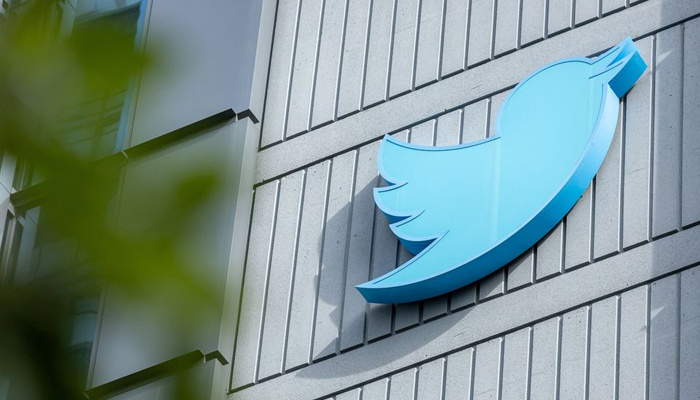
Popular social networking and micro-blogging service Twitter on Friday suspended the $8 blue tick subscription program, Bloomberg reported citing sources.
On the condition of anonymity, the source told Bloomberg that existing subscribers will still have access to their accounts.
The micro-blogging website has also reinstated "official" badges for high-profile accounts, with the grey badge reappearing below the profiles of businesses and major media outlets based on an internal approved list, the source added.
It is pertinent to mention here that Twitter is struggling with impostor accounts since the company allowed paying subscribers to get verified blue check marks.
"To combat impersonation, we've added an 'Official' label to some accounts," Twitter Support said. Elon Musk also tweeted that all accounts engaged in parody must include "parody" in their name.
"Going forward, accounts engaged in parody must include 'parody' in their name, not just in bio," he had tweeted.


-
 New study sounds alarm as Doomsday Glacier melts more aggressively than thought
 -
 Hubble data hints at planet born after its star died
 -
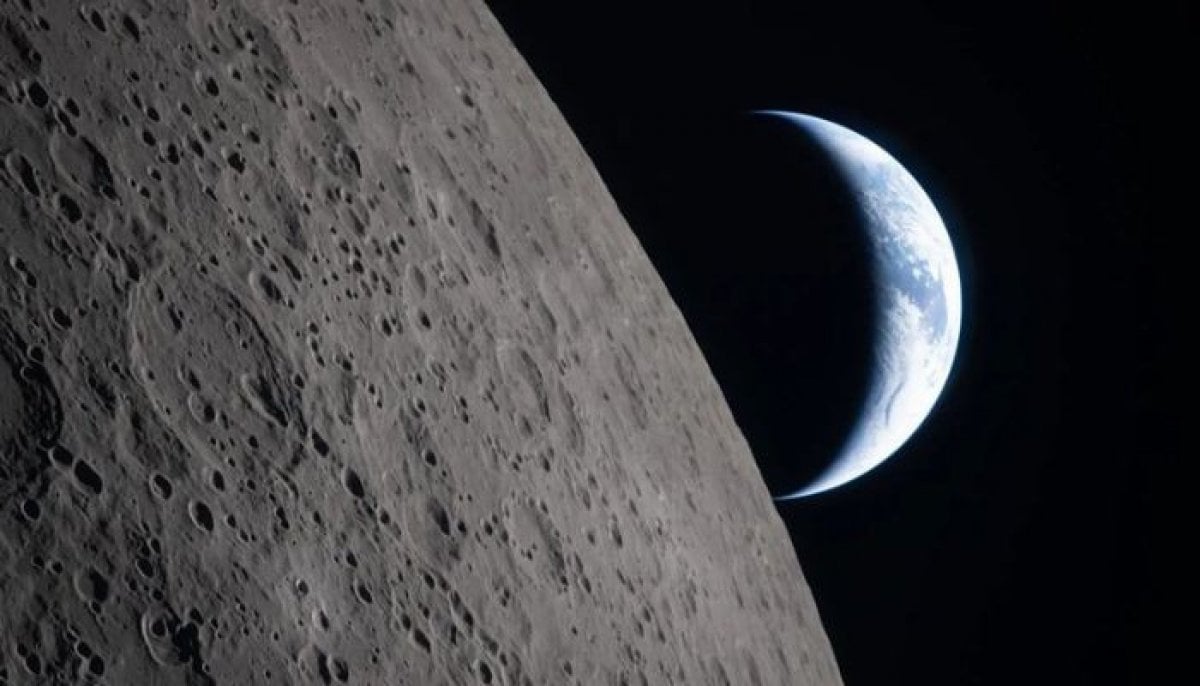 NASA to brief public on Artemis III mission progress
 -
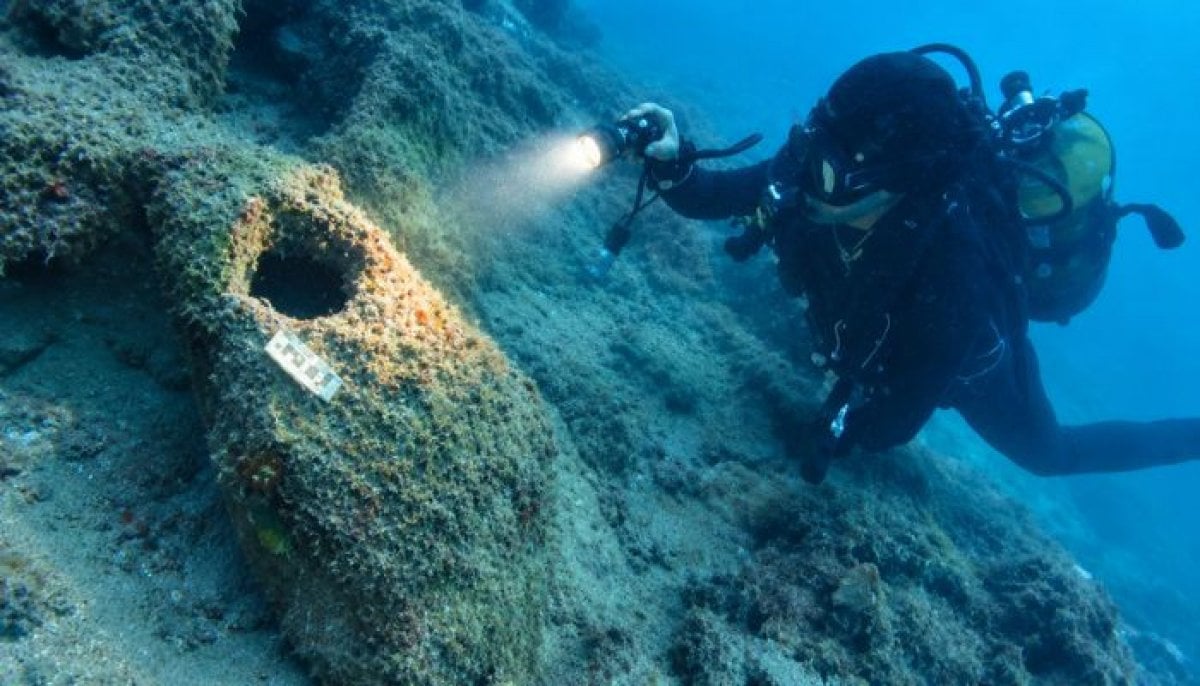 ‘Time capsule beneath the sea’: World’s oldest shipwreck holds secrets from Great Pyramid era
 -
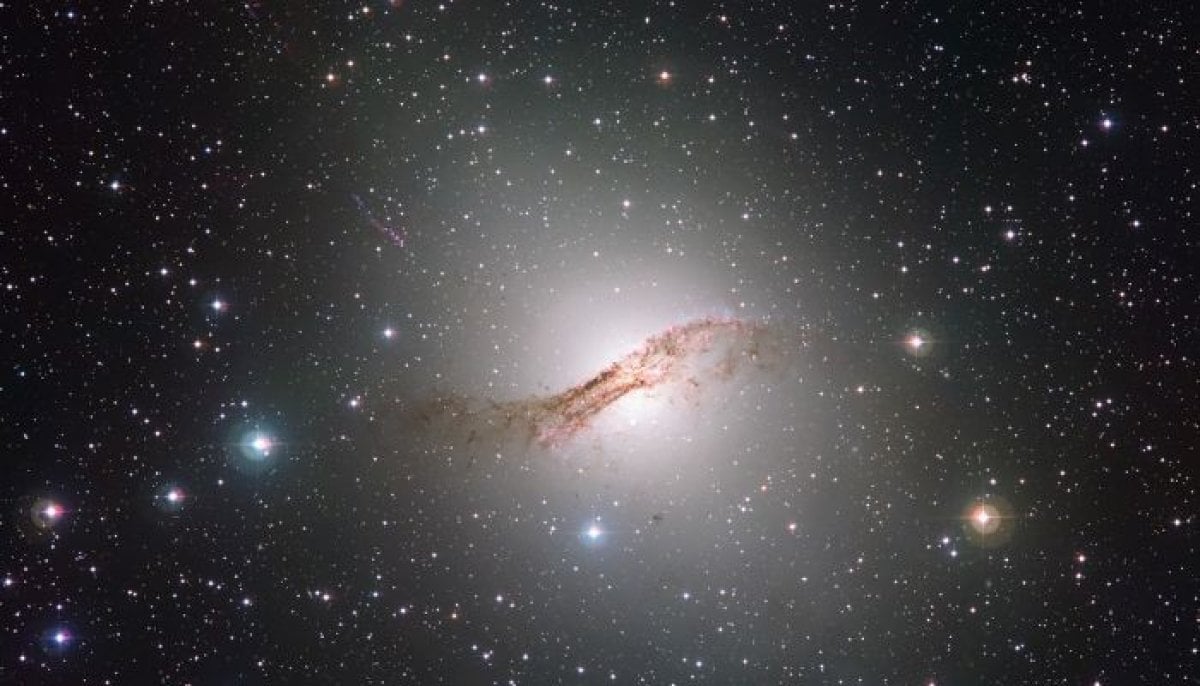 NASA spots mysterious V-shaped scar stretching 700 light-years across space
 -
 Space Jellyfish over Florida: What is that glowing cloud?
 -
 SpaceX Falcon 9 launches Dragon with 6,300 pounds of supplies to ISS
 -
 How far can a rover go? NASA’s Perseverance breaks Mars driving record