
Tobacco growers present charter of demands to govt, companies
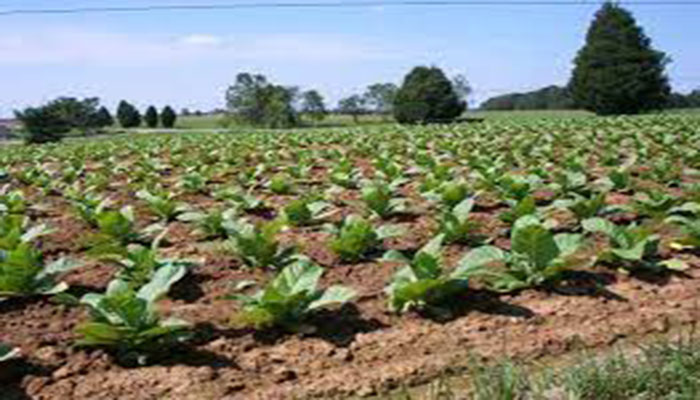
SWABI: The tobacco growers in Khyber Pakhtunkhwa have presented a charter of demands to the government and companies to resolve their genuine problems or else they would stop cultivation of the crop for the ensuing season.
Ittehad-e-Kashtkaran, Khyber Pakhtunkhwa, leaders Arif Khan, Liaqat Khan Yousafzai, Muhammad Ali Dagiwal, Syed Inayat Ali Shah Bacha, Abid Ali, Asfandyar, Shahab Khan and others after consultation with farmers decided to forward their 10-demands to the government and the purchasing companies to settle the issues and provide relief to the poor growers.
According to the charter, the farmers have asked the government to give tobacco the status of a crop through legislation and that it should not be listed as a narcotics substance.
They said that tobacco price should be fixed in proportion to the existing price-hike of pesticides, fertilizers, seeds and allied expenses incurred during the crop preparation and its sale.
They demanded 10 percent share in the Federal Excise Duty (FED) being recovered by the Centre from the cigarette manufacturing companies, which should be spent on the welfare of tobacco growers and development of tobacco growing areas.
They asked the companies and government to activate purchasing centres at the tobacco growing areas so the farmers should not face difficulties while selling their produce. The farmers also asked the government to devise a policy to stop shifting of tobacco-related industry to Azad Kashmir and other provinces from Khyber Pakhtunkhwa.
Register the tobacco furnace/bhatti and investigate the crisis and issues of tobacco growers during the last one year through the relevant departments.
They also asked the government to withdraw cases against the farmers' leaders, including Arif Ali Khan and others and probe the excesses meted out to them during a peaceful protest demonstration.
They said that the entire remaining tobacco lying in godowns with the growers should be purchased at a reasonable price. They asked the government to spend corporate social responsibility (CSR) funds received from the national and multinational companies on the growers and uplift of tobacco growing areas.
They also complained that multinational companies give numerous facilities and perks, including high salaries, health and residential accommodation for staff and their families but are reluctant to facilitate and reward the diligent farmers.
In many countries, they said, corporations cut their expenses to facilitate and reward the main producer.
It may be mentioned that tobacco is cultivated in Pakistan and 80 percent of the total production is produced in Khyber Pakhtunkhwa.
Similarly, tobacco products contribute Rs135 billion to the federal exchequer while Rs980 million go to the provincial kitty in the shape of tobacco development cess.


