
Manufacturing vaccines
The UN has noted that the most effective way to provide vaccines to at least one quarter of the world’s people by the end of 2021, regardless of their economic status, is by enabling them to manufacture vaccines in their own countries. Initiatives such as the Vaccine Development Network are already playing a part in this by enabling nations with fewer resources to manufacture vaccines and thereby reduce prices and make rollout easier. The UN also notes that the Covax programme run by the WHO needs more funding and support from richer nations, if it is to serve its purpose of delivering vaccines at a faster rate to poorer countries. We should note that the first jab in Europe went in almost 90 days before the first jab in Africa. This simply highlights the lack of equality in the world, and the vast differences present in the delivery and rollout of the vaccine.
The inequity will eventually affect the path of the pandemic itself. As experts have warned again and again, it is only when the majority of people across the globe are protected through vaccination, that we can be assured that the pandemic is under control and that mutations will not occur at the pace at which they are occurring now in various countries. It has already been pointed out that the virus continues to mutate presenting new challenges to those manufacturing vaccines and to health workers across the globe. Along with more support and more funding from the richer nations for the Covax programme, it has also been pointed out that nationalising the vaccine or competing over which country can manufacture the most effective vaccine or deliver it more quickly is adding to the risk of hoarding and a rise in pricing.
Unicef had manufactured syringes outside the world’s largest manufacturers in order to be able to supply them at low costs to countries which required the equipment. The UN has also noted that while countries are able to receive the vaccine and offload it from aeroplanes, distributing supplies to remote villages and communities is a harder task. It has a sought an additional amount of $3.2 billion to achieve this and has said $510 million of this amount needs to be given out on urgent basis to ensure the availability of refrigerators, syringes and other material, which will allow countries around the world to gain some degree of equity and to be able to vaccinate people around the globe as quickly as possible.






-
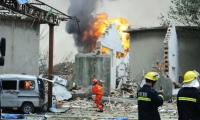 Factory Explosion In North China Leaves Eight Dead
 -
 Blac Chyna Opens Up About Her Kids: ‘Disturb Their Inner Child'
 -
 Winter Olympics 2026: Milan Protestors Rally Against The Games As Environmentally, Economically ‘unsustainable’
 -
 How Long Is The Super Bowl? Average Game Time And Halftime Show Explained
 -
 Natasha Bure Makes Stunning Confession About Her Marriage To Bradley Steven Perry
 -
 ChatGPT Caricature Prompts Are Going Viral. Here’s List You Must Try
 -
 James Pearce Jr. Arrested In Florida After Alleged Domestic Dispute, Falcons Respond
 -
 Cavaliers Vs Kings: James Harden Shines Late In Cleveland Debut Win
 -
 2026 Winter Olympics Snowboarding: Su Yiming Wins Bronze And Completes Medal Set
 -
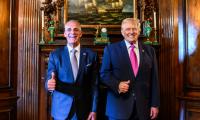 Trump Hosts Honduran President Nasry Asfura At Mar-a-Lago To Discuss Trade, Security
 -
 Cuba-Canada Travel Advisory Raises Concerns As Visitor Numbers Decline
 -
 Anthropic Buys 'Super Bowl' Ads To Slam OpenAI’s ChatGPT Ad Strategy
 -
 Prevent Cancer With These Simple Lifestyle Changes
 -
 Air Canada Flight Diverted St John's With 368 Passengers After Onboard Incident
 -
 Experts Reveal Keto Diet As Key To Treating Depression
 -
 Inter Miami Vs Barcelona SC Recap As Messi Shines With Goal And Assist