
Nepra likely to scrap upfront tariff for captive power plants
“Keeping in view the changed dynamics of the electricity power market, the Nepra is considering withdrawing the announced upfront tariff,” an official said.
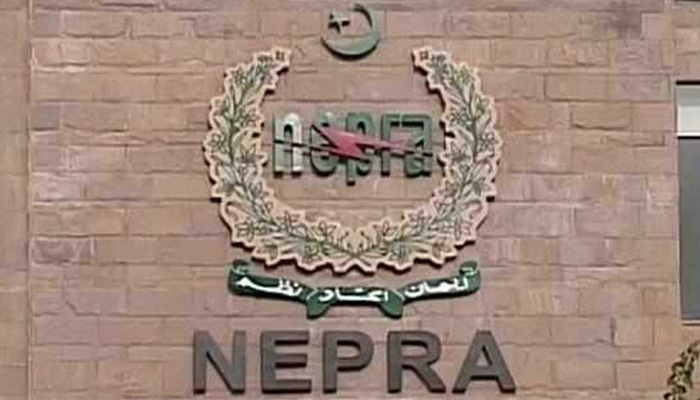
KARACHI: The National Electric Power Regulatory Authority (Nepra) is likely to withdraw upfront tariff awarded to capital power plants of sugar mills in line with the regulator’s plan to implement the competitive bidding mechanism.
“Keeping in view the changed dynamics of the electricity power market, the Nepra is considering withdrawing the announced upfront tariff,” an official said. The authority convened a meeting on November 28 to take the decision.
In December 2016, Nepra announced the upfront tariff of Rs7.82/kilowatt hour for electricity generation from sugar mills and supplying it to power purchasers. “As the technology evolves, it is high time that the tariff regime is changed and more competition is brought to increase renewable energy supply to the grid,” the official added.
Earlier, special tariff rates were offered to power generation companies in the form of upfront tariff, which encouraged them to make investment in Pakistan.Now, the situation has improved as the country has surplus electricity.
Pakistan’s electricity generation capacity surged to 29,573 megawatts till February from 22,812MW in 2012/13 as the previous government implemented strategies to cope up with the challenges of energy security.
There has been a 30 percent growth in installed power generation capacity during the last five years due to diversification in energy mix. Power generation increased 22 percent to 117,326 gigawatt hours in 2016/17 compared to 2012/13.
Sugar mills are estimated to produce 600 to 700 during the crushing that starts from November to February. It is the time when hydropower goes down. Share of hydropower in energy mix, however, fell during the last five years due mainly to low water availability. The government tried to offset the downward share through promotion of renewable energy sources, which, however, constitute only two percent of electricity generation.
Currently, 86 sugar mills are working in the country. Government approved a framework in 2013 by including biomass in the renewable policy 2006 to encourage generation. During sugar production process, electricity is generated which is sufficient to meet their own requirement, while surplus energy can be added into the system.
Nepra has already allowed distribution companies to procure electricity from the existing sugar mills in accordance with the procedures defined in the law. In December 2017, the government announced to scrap the upfront tariff mechanism for projects based on domestic renewable energy resources and decided to award power generation contracts through competitive bidding.






-
 AI Innovation Could Make Trade Secrets More Valuable Than Patents, Says Billionaire Investor
 -
 King Charles Heckling: Calls For 10 BAFTAs And A Knighthood For Sign Language Interpreter
 -
 Kim Kardashian Leaves Meghan Markle 'upset' With Latest 'cheap Shot'
 -
 Royal Expert On Andrew, Sarah Ferguson’s ‘entitled’ Behaviour Since Marriage
 -
 Instagram And YouTube Accused Of Engineering Addiction In Children’s Brains
 -
 Trump Reached Out To Police Chief Investigating Epstein In 2006, Records Show
 -
 Keke Palmer Praises Actor Who Inspired 'The Burbs' Role
 -
 Humans May Have 33 Senses, Not 5: New Study Challenges Long-held Science
 -
 Kim Kardashian Prepared To Have Child With Lewis Hamilton: 'Baby Using A Surrogate'
 -
 Internet Splits Over New York's Toilet Data Amid Bad Bunny's Super Bowl Show
 -
 Prince William Inspects Saudi Arabia's Efforts To Promote Football In Young Girls
 -
 Northern Lights: Calm Conditions Persist Amid Low Space Weather Activity
 -
 'Look What Andrew Has Done': Meghan Markle Defended On Jeremy Vine Show
 -
 Apple, Google Agree To Make 'app Store' Changes Over UK Regulator Concerns
 -
 Autodesk Files Lawsuit Against Google Over AI Video Tool Trademark Dispute
 -
 San Francisco 49ers Player Shot Near Post-Super Bowl Party