
Medical associations, civil society call to protect public health, not junk food
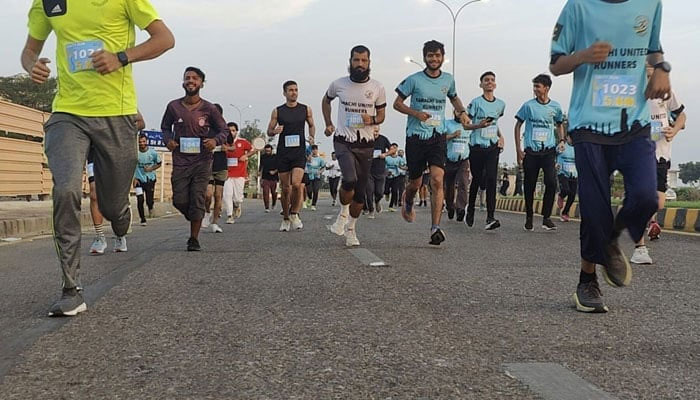
Islamabad:In a joint session here in Islamabad, the leading medical associations and civil society organizations of Pakistan called upon the IMF, Ministry of Finance, FBR, Cabinet members, and other policy makers to protect public health and not junk foods.
The organizations appreciated the proposal submitted by the Ministry of National Health Services Regulations and Coordination to increase Federal Excise Duty (FED) on all type of sugary drinks from the existing 20% to 40 % and enacting 20% FED on all solid categories of ultra-processed products (UPPs) during the finance bill 2025-26 to protect public health. The organizations also strongly condemn recent misinformation campaigns by vested industry groups to escape taxes on sugary drinks, juices, and ultra-processed products.
The joint session was organized by Pakistan National Heart Association (PANAH) in collaboration with Heartfile, Pakistan Youth Change Advocates, Centre for Peace and Development Initiatives, Diabetic Association of Pakistan, Pakistan Nutrition & Dietetic Society, Pakistan Kidney Patients Welfare Association, Pakistan Medical Association, and Pakistan Academy of Family Physicians, journalists, youth leaders, health professionals, and other civil society organizations.
At the joint session, speakers and panellists said that Pakistan is grappling with a severe crisis of diet related non-communicable diseases, with millions suffering from diabetes, obesity, heart disease, kidney ailments, and certain types of cancers. The consumption of sugary drinks, juices, and ultra-processed foods (junk foods) are among the major contributing factor to this national public health emergency. The speakers emphasized that any delay in policymaking comes with a huge cost, including the loss of thousands of human lives, billions in hospital expenditures, and productivity losses due to chronic diseases caused by the consumption of these products.







-
 Sterling K. Brown's Wife Reveals If She Gets 'Paradise' Spoilers
 -
 Rape Suspect Flees Aboard After Mistaken Prison Release
 -
 Jack Hughes' Patriotic Words Spark Calls For Tate McRae To Dump Her Boyfriend
 -
 Andrew Pushes For Major Deal With King Charles To Avoid Jail
 -
 50 Cent Online Trolling Tactic Exposed As He Targets Rival Rappers' Mothers In Rap Beefs
 -
 King Charles Attends 'series Of Meetings' Amid Growing Calls For His Abdication
 -
 Prince William’s Visible Anxiety At Key Event Reveals Fears For King Charles’ Health
 -
 Channing Tatum Celebrates Hunter Theunis Botha's Death
 -
 'Spider-Man: Brand New Day' Director Reveals What Fans Can Expect From The Movie
 -
 US Government To Cease Collecting Tariffs After Supreme Court Ruling
 -
 King Charles Finally Receives Good News About Reunion With Lilibet, Archie As Harry And Meghan Reach Agreement
 -
 'House Of The Dragon' Season Three Promises Total Chaos As 'A Knight Of The Seven Kingdoms' Final Episode Drops
 -
 ‘Global Human Rights Are Under Attack,’ UN Chief Antonio Guterres Issues Stark Warning
 -
 Demi Lovato Bravely Admits She Is ‘not Ashamed’ Of Having Bipolar Disorder
 -
 Can Humans Reverse Aging? Harvard Scientist Predict Revolutionary Breakthrough
 -
 How Liam Payne’s Death Impacted Awareness About Mental Health