Can humans reverse aging? Harvard scientist predict revolutionary breakthrough
'Scientists have found ways to ‘polish’ the biological system and restore cellular function,' Sinclair says
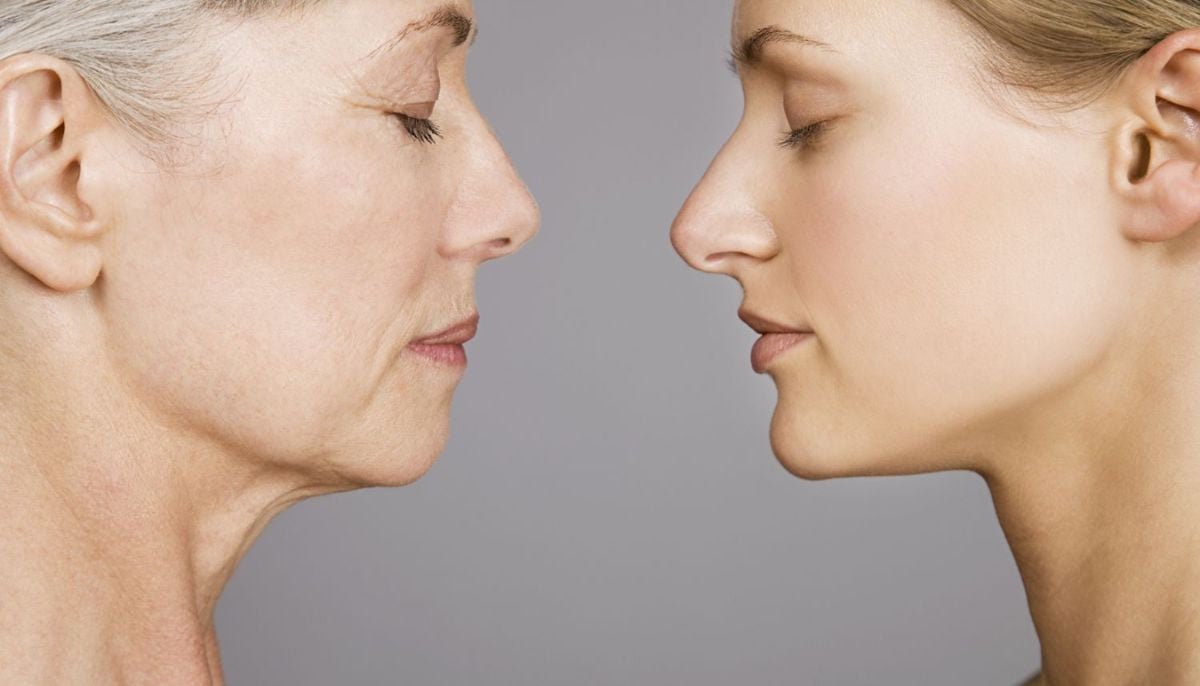
The Harvard scientist has revealed a major breakthrough in the anti-aging process.
At the 2026 Dubai summit, Dr David Sinclair has explained the aging as a treatable medical condition, not inevitable. He predicts biotech will make modern healthcare obsolete in 10–20 years, shifting from symptom management to full reversal of biological aging.
According to Sinclair, his team’s partial epigenetic reprogramming has been successful in reversing aging markers by 75 percent in animal studies by using modified Yamanaka genes and has restored vision in animals suffering from blindness models.
Sinclair affirmed, “Scientists have found ways to ‘polish’ the biological system and restore cellular function.”
Now, the team is preparing for human-based clinical trials to reverse the aspects of aging. The trials will test epigenetic programming therapies which are designed to restore cells to a younger state.
“We are about to test, for the first time in history, whether we can reverse ageing and cure diseases,” he said.
Sinclair also shed light on how anti-aging breakthroughs can also bring out economic benefits.
In the US, extending a healthy lifespan by just one year could generate an estimated $38 trillion by improving productivity.
He also linked his anti-aging based research to poor fertility rates and falling birth rates, stating that societies may be caught in the dilemma of replacing workers with robots or keeping them healthy for longer.
“Our greatest asset is human productivity,” Sinclair said.
The trials are expected to begin soon but the exact data has not been revealed yet.


-
 Who is Song Li? China puts her forward for WHO leadership role
 -
 CDC monitors travelers from Siberia after plague worker’s death, director says
 -
 Russia pushes back on plague death reports, defends WHO notification
 -
 WHO deems Russia plague risk 'low' following lab technician’s fatal illness
 -
 New York declares Measles state of emergency amid nationwide disease resurgence
 -
 First-of-its-kind treatment shrinks unborn baby’s tumour before birth
 -
 France steps up Ebola support in Congo as fears of resurgence grow
 -
 Vance’s fraud crackdown may raise health insurance costs for Americans
-
 One common mistake elevates blood pressure readings by 7 points, study warns
 -
Moderna loses US government license defense in patent case
-
Novo says new Ozempic shows lower cardiovascular risk compared with Lilly’s Mounjaro
-
University of Nottingham researchers say new gel could regrow tooth enamel in weeks