
How Pakistan can fix its housing finance crisis
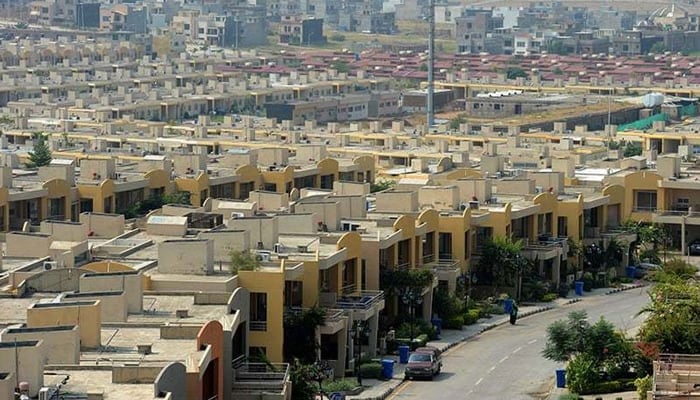
LAHORE: There is a significant shortage of housing projects in Pakistan. While lower middle class and poor households lack resources to construct their houses, private banks here are usually hesitant to finance housing projects for several reasons.
Even property developers are reluctant to build small housing projects as buyers lack good credit scores, increasing the risk of non-repayment. This is because of the absence of a legal framework for recovery from low-end buyers. The weak enforcement of foreclosure laws and lengthy litigation discourage banks from housing finance. It is important to note that current laws do not adequately protect lenders in case borrowers default.
The informal nature of real estate transactions and lack of clear property titles add risks for banks. Economic instability and high inflation rates reduce the purchasing power of borrowers, increasing the risk of non-repayment. Compared to other sectors, housing loans are long-term, with lower interest rates and higher administrative costs. Insufficient incentives and subsidies from the government to mitigate risks for private banks is another reason for banks’ reluctance to offer housing loans.
The government could strengthen and streamline foreclosure laws to allow banks to recover loans quickly and efficiently without prolonged litigation. It should implement clear and digitised property title systems to reduce fraud and disputes over ownership. There is a need to introduce government-backed credit guarantees to share default risks with banks. The state should offer tax breaks or deductions to banks that actively participate in housing finance. The government must ensure stricter oversight and certification of housing developers to reduce project delays and quality issues.
Even the Punjab government’s funding for small housing projects is not entirely without risk. While government backing reduces some uncertainties, several risks remain as borrowers may default due to unstable incomes or economic downturns. Delays in project execution or cost overruns can also increase repayment challenges. Without thorough credit assessment, government-backed projects may attract borrowers with weak repayment capabilities. Low demand for completed housing units can affect cash flows needed for repayments.
Housing shortages in India, Sri Lanka and Bangladesh are not as acute as in Pakistan because of better foreclosure laws. India has a relatively well-developed housing finance ecosystem, with legal frameworks and mechanisms designed to protect lenders and encourage housing finance growth. Its SARFAESI Act (2002) allows banks and financial institutions to seize and sell properties of defaulters without prolonged court proceedings, providing strong recovery mechanisms for housing loans. The NHB, a subsidiary of the Reserve Bank of India (RBI), oversees housing finance companies (HFCs) to ensure sound practices and borrower protection. The Credit Guarantee Fund Trust for Low Income Housing (CGFTLIH) provides risk-sharing mechanisms, especially for low-income borrowers. These measures encourage private banks to participate actively in housing finance while safeguarding lenders’ interests.
Housing finance in Sri Lanka is moderately developed, but its protections for lenders are not as robust as in India. The Mortgage Act (1949) and the Debt Recovery Act (1990) provide lenders the right to recover loans by auctioning mortgaged properties, though the process can be lengthy and bureaucratic. The country’s National Housing Development Authority plays a central role in developing affordable housing schemes, often partnering with private banks. Subsidies and guarantees for low-income borrowers help mitigate risks for lenders. But inefficient foreclosure processes can deter private banks from aggressively entering the housing finance market.
Housing finance in Bangladesh is still in its early stages, and legal protections for lenders are relatively weak. The Money Loan Court Act, 2003 governs loan recovery processes, allowing lenders to file suits against defaulters. However, the legal system often delays resolution. While real estate policies exist, the lack of a robust regulatory framework (similar to India’s RERA) increases risks for both borrowers and lenders. Weak foreclosure laws discourage private sector participation.
Many countries in the region except Pakistan have enacted Parate law (or similar provision) that refers to a legal provision that allows banks and financial institutions to seize and sell a borrower’s property to recover defaulted loans without requiring prolonged court proceedings. These include India, Sri Lanka, Malaysia, Indonesia and Philippines.


