
PBF welcomes Belarusian president, eyes stronger trade and economic ties
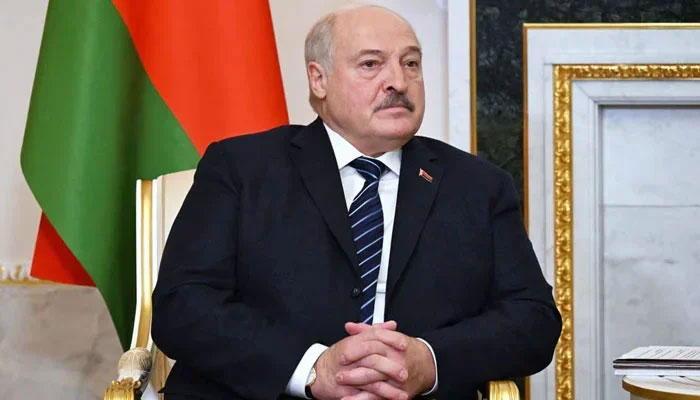
KARACHI: The Pakistan Business Forum (PBF) on Monday welcomed President of Belarus Aleksandr Lukashenko to Pakistan, expressing optimism that this high-level visit will usher in a new era of bilateral trade and economic cooperation between the two nations.
The visit is anticipated to create significant opportunities for strengthening trade relations, particularly in the agricultural, manufacturing and technology sectors, according to a PBF statement.
Khawaja Mehboob ur Rehman, president of the PBF, pointed to the importance of the upcoming agreements and memoranda of understanding (MoUs) set to be signed in Islamabad, particularly in the tractor manufacturing industry.
He highlighted that establishing a tractor manufacturing facility in Pakistan in collaboration with Belarus would greatly benefit the farming community by providing access to advanced agricultural technology, thereby enhancing productivity and efficiency.
“The development of the tractor industry in Pakistan, in partnership with Belarus, represents a key step towards modernising our agricultural sector. This will not only support farmers but also bolster the national economy,” Khawaja said.
He also stressed the need for direct flight connectivity between Islamabad and Minsk to facilitate trade, business exchanges and tourism. “Direct flights between our capitals would help build stronger trade links and foster closer people-to-people connections,” he added.
Ahmad Jawad, chief organiser of the PBF, noted that Pakistan’s exports to Belarus were valued at a modest $343,460 in 2023, according to the United Nations COMTRADE database. However, he highlighted the immense untapped potential, estimating that exports could reach $1 billion, particularly in key sectors such as fruits, vegetables, rice, textiles, sports goods and halal meat.







-
 Chris Hemsworth Gets Candid About Daughter’s Drawings That Inspired Several Of His Tattoos
 -
 UK To Experience Rare 'Blood Rain' On Tuesday Feb. 24, 2026: Know Every Detail
 -
 Maria Shriver Shares Heartbreaking Reminder After Eric Dane's Death: 'Next Week Isn't Guaranteed'
 -
 Andrew Mountbatten Windsor Gets New Moniker After Losing ‘Prince’ Title
 -
 Jack Black Shares Unseen Moments With Tanya Haden: 'My Love'
 -
 Shamed Andrew Made Taxpayers Fund Personal ‘massages’
 -
 What Could Be Nick Reiner's Fate After Pleading Not Guilty Parents’ Murder Case?
 -
 Princess Kate Talks About 'hard Conversations' With Kids Amid Andrew Drama
 -
 Prince William Mocked For Being ‘most Reluctant’ King-in-waiting
 -
 Prince William Makes Rare Admission After Andrew Arrest
 -
 ‘Got A Lot Of People Gunning For Me’: Trump Makes First Comments On Mar-a-Lago Intruder
 -
 What Countries Have A Say In Andrew Removal From Line Of Succession?
 -
 How Did Luci4 Die? Police Probes 'BodyPartz' Sudden 'suspicious' Death
 -
 King Charles Criticized By Princess Anne Over Andrew Drama
 -
 Kelly Osbourne Hits Back At 'absolutely Devastating' Body Shaming Comments
 -
 Hailee Steinfeld Details Preparations Ahead Of Welcoming First Kid With Josh Allen