
‘Pakistan loses Rs10bn annually due to illicit tea trade’
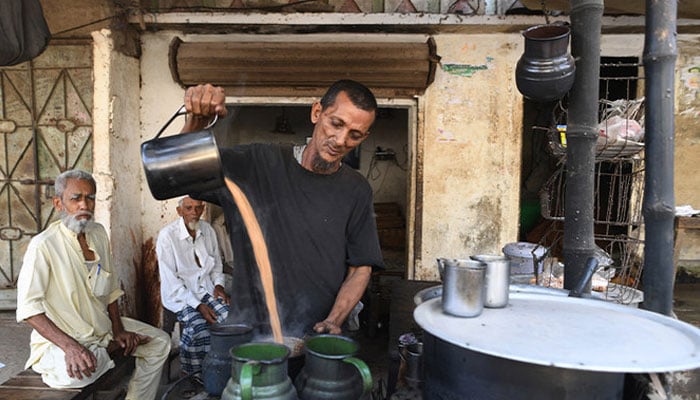
KARACHI: Pakistan is losing Rs10 billion annually in duties and taxes because of the illicit tea trade.
Illegal trade is not only causing losses to the government but also creating health issues. Pakistan is one of the largest tea-consuming countries globally, with an annual consumption exceeding 200,000 tonnes.
The legal tea industry, with a market share of 70 per cent, includes two major players. Tapal Tea holds the largest market share at 29.6 per cent, while Lipton Pakistan Limited, part of the international company Lipton Teas & Infusions, which became independent from Unilever in July 2022, holds an 18 per cent market share.
However, the growing illicit tea market, now constituting around 30 per cent of the total tea market in Pakistan, is a major concern. The country faces an annual revenue loss of approximately Rs10 billion due to the avoidance of import duties and taxes.
High taxes and tariffs on legally imported tea make smuggled tea more attractive, especially for lower-income groups. The price difference between legal and illegal tea incentivizes consumers to opt for the latter, stretching their limited budgets. Smuggled tea, available at lower prices, makes it difficult for legally imported tea to compete, undermining legitimate businesses and depriving the government of crucial revenue needed for public services and infrastructure development.
Analysts say that Pakistan’s persistently high inflation rate exacerbates the issue by reducing consumer purchasing power. Many consumers turn to the black market for cheaper alternatives, despite potential risks.
Smuggled tea often undergoes adulteration with harmful substances such as dyes, sawdust, and even pigeon blood, posing significant health hazards to consumers.
“The growing trend of the illicit tea trade in Pakistan calls for urgent measures from both the government and people,” said Osama Siddiqui, a macroeconomic analyst. He added that addressing the economic impact and mitigating health risks requires a multi-faceted approach, including stricter enforcement of import regulations, public awareness campaigns about the dangers of smuggled tea, and efforts to make legally imported tea more affordable through policy adjustments.
As Pakistan grapples with the challenges posed by the illicit tea trade, it is crucial to recognize the broader implications for both the economy and public health. “The annual revenue loss of Rs10 billion is a stark reminder of the financial toll. By addressing the root causes of this trade and promoting safer, legal alternatives, Pakistan can work towards a healthier, more prosperous future,” Siddiqui concluded.







-
 Prince Harry Shares Major Update On Invictus Games Birmingham 2027 After Meeting With King Charles
 -
 Trump Delivers ‘Golden Age Of America’ Pitch In Georgia As US Midterm Battle Intensifies
 -
 D4vd Murder Case: Hidden Clue Found Beside Celeste's Body Raises Questions
 -
 King Charles Puts His Foot Down With Prince Harry Via Demand That Will Decide Their Future
 -
 Alphabet Shares Fall As AI Spending Forecast Climbs To $205bn
 -
 What Happened At Prince George 13th Birthday? Expert Reveals If He Finally Got A Phone For Social Media
 -
 Could Weight-loss Injections Be Increasing Hair Loss? Here’s What Experts Say
 -
 King Charles, Kate Leave Prince William ‘bitter’: ‘Stop Making It Seem As Though All Is Forgiven!’
 -
 Apple's Upcoming AI Shopping Assistant Likely To Use Your Chat History, Here's Why
 -
 White House Accuses Moonshot AI Of Stealing Anthropic's Capabilities
 -
 Tom Holland Offers Exciting Update About Fred Astaire Biopic
 -
 Hugging Face Firm Says Hack By Rogue OpenAI Models Is ‘a Wake-up Call’
 -
 Benny Blanco Shares Inside Look At Selena Gomez’s Birthday Cooking Class
 -
 Singer Nivea Announces Blood Cancer Diagnosis: 'I’ve Been Going Through Treatment'
 -
 US Senator Demands Answers From Barclays Over Jes Staley’s Ties To Jeffrey Epstein
 -
 Is Gracie Abrams' Track 'Death Wish' Really Inspired By Taylor Swift? Here's The Truth