
Misleading ads
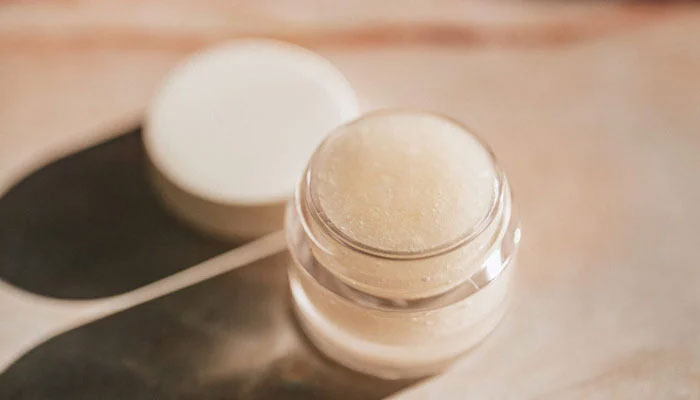
The global market for organic beauty products stands at $39 billion and is expected to grow by $56 billion by 2030. This explains why some manufacturers want to tap into this high-potential market. In Pakistan, too, there has been a positive shift in consumer preference with more people opting for chemical-free beauty and skincare products. According to Statista, the natural cosmetics market in Pakistan is expected to grow at an annual growth rate of 3.39 per cent from 2024 to 2028. At present, the market generates a revenue of $68 million. Given the high potential the market holds, it makes sense that local manufacturers are selling products that are made from natural ingredients. But as they say, let’s not just believe everything the packaging says. At least 12 such companies have been found guilty of misleading claims, according to an investigation by the Competition Commission of Pakistan (CCP); such claims by product manufacturers pose health risks to users of such products. The CCP is responsible for ensuring safe market competition where profiteers do not put their profits before people’s health.
As the saying goes, ‘caveat emptor’ – but in consumers’ defence, while price point and packaging can help differentiate between original and fake, what can consumers do when manufacturers blatantly lie about the ingredients of their products? Consumers have shifted towards sustainable products because of the benefits they hold – both for consumers and for the environment. To exploit unsuspecting consumers is a crime and must be dealt with firmly. In Pakistan, there is a very negligible concept of consumer courts. While the authority does exist, it is rare for people to take their grievances to the courts. A reason for this scepticism is the long process courts take.
Companies are also less transparent about their operations. In the absence of a strict and vigilant authority that keeps a check on the operations of such companies, manufacturers keep making money at the expense of people’s health. Some also partner with local salons and sell products to unsuspecting customers. All of this must end. Profiteers should not be allowed to play with people’s health. Harmful products (even when used externally) can pose serious health issues. Authorities need to adopt strict checks when vetting businesses before awarding them licences to operate. Also, no skincare or beauty products should enter the market without approval from licensed and experienced dermatologists and skin specialists.







-
 Lamine Yamal Strongly Warned About Romance With Girlfriend Ines Garcia
 -
 Lamine Yamal’s Girlfriend Ines Garcia Hits 4 Instagram Followers After Spain’s World Cup Win
 -
 US Sports Betting Nears $300 Billion As Experts Warn Of Addiction Risks
 -
 King Charles Takes 'huge Offence' To Prince William For Major Reason
 -
 ‘Fevered & ‘intellectually Challenged’ Prince Harry Sparks Worse Marital Problems With Meghan
 -
 Are We Closer To A Real-life ‘genie’ That Grants Any Wish: Here's What Sam Altman Thinks
 -
 Job Bon Jovi’s Mid-stage Exit Sparks Longtime Friend To Come Forward
 -
 Global Semiconductor Market Set To Pass $1tn In 2026
 -
 Prince Harry Warned Meghan Will ‘fly Out The Door’: ‘That Relationship Is In Trouble’
 -
 Europe Wildfire: Over 300,000 Flee As France, Spain Battle Massive Blazes
 -
 Berlin Pride Tragedy: German Police Hunt Suspect After Van-ramming Leaves 1 Dead And 16 Injured
 -
 Chris Evans Clears The Air Over Marvel Return With ‘Avengers: Doomsday’: ‘Don’t Want To Mess With It’
 -
 Elon Musk’s Recent Claim About Bill Gates Sparks Fresh Online Controversy
 -
 Britain Bets On Chips To Power Its AI Ambitions
 -
 Expert Exposes Critical Flaw In Firm That Harry Didn’t Cause: ‘The Heir’s Tacit Criticism Always Follows’
 -
 ‘Self-indulgent Witch’ Meghan Markle And Her Pal Get Roasted: ‘Makes Me Sick!’