
Pakistan has world’s highest number of viral hepatitis C infections, WHO report says
New data from 187 countries shows that the estimated number of deaths from viral hepatitis increased from 1.1 million in 2019 to 1.3 million in 2022
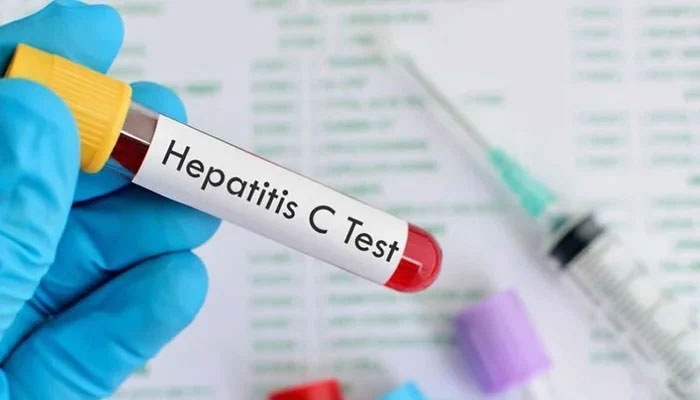
ISLAMABAD: Pakistan has the highest number of viral hepatitis C infections in the world, around 8.8 million, and accounts for 44 percent of all new hepatitis C infections attributed to unsafe medical injections, a new report from the World Health Organisation (WHO) released this month says.
According to the World Health Organisation (WHO) 2024 Global Hepatitis Report, the number of lives lost due to viral hepatitis is increasing, with the disease being the second leading infectious cause of death globally with 1.3 million deaths per year, the same as tuberculosis, a top infectious killer.
New data from 187 countries shows that the estimated number of deaths from viral hepatitis increased from 1.1 million in 2019 to 1.3 million in 2022. Of these, 83 percent were caused by hepatitis B, and 17 percent by hepatitis C. Every day, there are 3,500 people dying globally due to hepatitis B and C infections.
“This report paints a troubling picture: despite progress globally in preventing hepatitis infections, deaths are rising because far too few people with hepatitis are being diagnosed and treated,” said WHO Director-General Dr. Tedros Adhanom Ghebreyesus.
“WHO is committed to supporting countries to use all the tools at their disposal — at access prices — to save lives and turn this trend around.”
While Pakistan is the world leader according to the WHO report for hepatitis C infections, if the number of hepatitis B and hepatitis C cases are combined, Pakistan ranks fifth in the world, only trailing behind China, India, Indonesia and Nigeria, with around 12.6 million cases reported in 2022.
Bangladesh, China, Ethiopia, India, Indonesia, Nigeria, Pakistan, the Philippines, the Russian Federation and Vietnam, collectively shoulder nearly two-thirds of the global burden of hepatitis B and C. Achieving universal access to prevention, diagnosis, and treatment in these 10 countries by 2025, alongside intensified efforts in the African Region, is essential to get the global response back on track to meet the Sustainable Development Goals, according to the WHO.






-
 Kidnapping Survivor Elizabeth Smart Breaks Silence On Nancy Guthrie’s Abduction
 -
 'Deadpool' Star Ryan Reynolds Opens Up After Fooling Fans At Comic-Con
 -
 Emily Wilson Reviews Christopher Nolan's 'The Odyssey': 'I Would Be Ashamed To Write This Script'
 -
 Sam Altman And Top Senate Democrat To Hold High-stakes AI Security Talks
 -
 Grave Of Prince William And Harry’s Uncle Visited By Charles Spencer’s New Wife
 -
 Savannah Guthrie Begs Nancy's Kidnappers To 'tell Us Where She Is'
 -
 Prince William Issues Statement On France, Spain, UK Wildfires
 -
 Venice Film Festival Chief Faces Gender Bias Claims Over Lone Female-directed Entry
 -
 Trump Says US Is Talking With Iran Right Now
 -
 Law Will Take Its Course As Andrew Mountbatten-Windsor Reluctant To Give Up 'honour'
 -
 China Reaches Major Milestone As Domestic DUV Chip Tools Enter Mass Production
 -
 Nadia Marcinko: Epstein Girlfriend Calls Herself ‘Global Girl On Social Media’
 -
 David Ellison Speaks Out After Judge Pauses Paramount-WBD Mega-merger Deal
 -
 Macron Calls Crisis Meeting Of French Cabinet As Blaze Approaches Bordeaux
 -
 What Led To Kyle Kuzma’s Response To Zohran Mamdani?
 -
 Carly Simon Reveals Quiet Battle With Parkinson's And Past Cancer Shock