
City, Malir court judicial lock-ups lack potable water, toilets for UTPs
Under-trial prisoners (UTPs) brought to the judicial lock-ups in the City Courts and Malir courts for hearings suffer from lack of access to basic facilities, including potable water and adequate toilets.
Justice (retd) Arshad Noor Khan, Member Judicial-I of the Sindh Human Rights Commission, recently visited both the judicial lock-ups, where he interacted with inmates. In his report, he highlighted that the purpose of his visits was to evaluate the conditions of the lock-ups with a specific focus on the well-being of inmates and the challenges faced by the administration for their proper functioning, particularly security arrangements and welfare of detainees.
At the Malir court lock-up facility, inmates complained of difficulties in obtaining clean drinking water, according to the report. “The lack of access to clean drinking water has been pointed out as a pressing issue within the judicial lock-up,” it said.
The report highlighted that there were inadequate arrangements, such ventilation, to prevent heat stroke incidents during summer months, raising concerns about safety and comfort of inmates amidst rising temperatures as per laws and procedures.
During his visit to the lock-up located on the City Courts premises, Justice Arshad said inmates expressed dissatisfaction with prolonged waiting times, particularly during various processes such medical check-ups and legal consultations/access to legal counsels. “Complainants regarding the quality and quantity of food provided were prevalent among inmates. Many voiced concerns about receiving insufficient nutrition, the repetitive nature of the meals served, and inadequate food supply,” he noted.
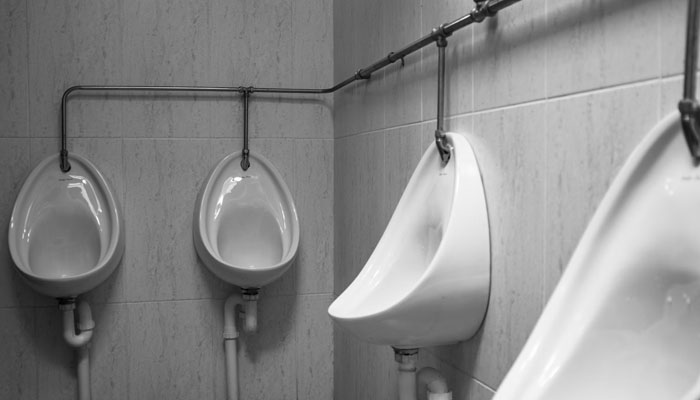
The report highlighted inadequate toilet facilities at the city court lock-up, stating that UTPs were concerned about lack of cleanliness, maintenance, and accessibility to toilets at the facility.
“Inmates reported instances of unhygienic conditions, including dirty living areas, inadequate waste management, and lack of regular cleaning routines,” it said.
Talking to The News, SHRC Chairperson Iqbal Ahmed Detho said: “We have powers to inspect government facilities, including detention ones, after which we compile a report and send it to the competent authority to take measures to remedy the situation.”
“Section 4 of the Sindh Protection of Human Rights Act, 2011, empowers the SHRC to visit any jail, hospital or institution under the administrative control of the provincial government,” he explained.
Detho said that previously the commission focused only on jails but it now undertook visits to detention facilities at the judicial complexes as well for inspection and to review and safeguard human rights.


