
SBP forex reserves dip below $8bn amid debt woes
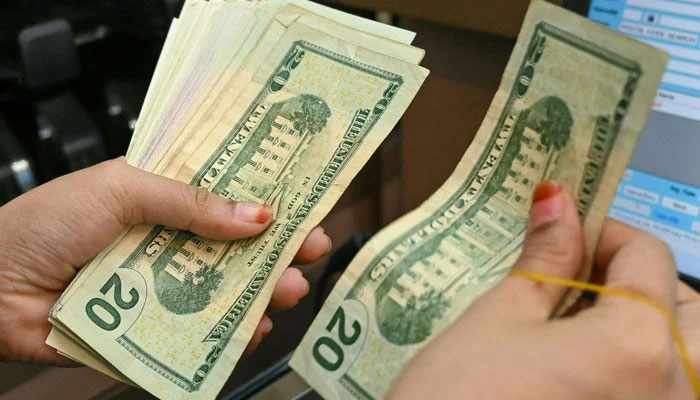
KARACHI: The foreign exchange reserves held by the central bank fell by $63 million to $7.950 billion in the week ending February 23, due to foreign debt repayments, the State Bank of Pakistan said on Thursday.
The country’s forex reserves decreased by $59 million to $13.039 billion. However, the reserves of commercial banks slightly increased by $4 million to $5.089 billion. The SBP’s reserves are enough to cover around two months of imports.
The country’s cash-strapped economy secured a $3 billion bailout from the International Monetary Fund last summer. However, it is finding it difficult to stabilise due to record-high inflation, the depreciation of the rupee, and declining foreign exchange reserves. Although the SBP's reserves have increased significantly from $4.445 billion at the end of the last fiscal year to $7.9 billion as of February 23, experts and international rating agencies think the reserves are still insufficient given the nation's expanding need for external financing.
The current IMF’s stand-by arrangement will expire in April, and the new coalition government will likely require further funding from the global lender.
According to analysts, the SBP has been trying to keep its foreign exchange reserves above $8 billion to ensure a stable currency. However, some external payments need to be made to pay off debt, profit repatriation of foreign investors, and other obligations. The country has managed its repayment obligations despite balance of payments issues. According to the SBP, $24.5 billion in external financing is needed overall for the fiscal year 2023-24. Out of this, the majority has been repaid or rolled over.
The current account posted a deficit of $269 million in January, compared with a surplus of $404 million in the previous month. However, the current account deficit dropped to $1.1 billion in the seven months of the current fiscal year, a 71 percent decrease from the same period last year.
At the end of this fiscal year, the SBP's reserves should reach $9 billion, as per the IMF's preference. This would heavily depend on the balance between inflows and outflows. According to the latest report from the international rating agency Moody's Investors Services, Pakistan's credit profile highlights the government's exceptionally high liquidity and external vulnerability issues. This is a result of the nation's very low foreign exchange reserves, which remain below what will be required to cover its extraordinarily high near- to medium-term external financing needs.
The report stated that although Pakistan is expected to fulfill its external debt obligations for the fiscal year that ends in June 2024, there is little indication as to how the country will find the money to satisfy its extremely high external financing needs once the present IMF programme ends in April.


