
Pakistan may face shortage of medicines, medical devices
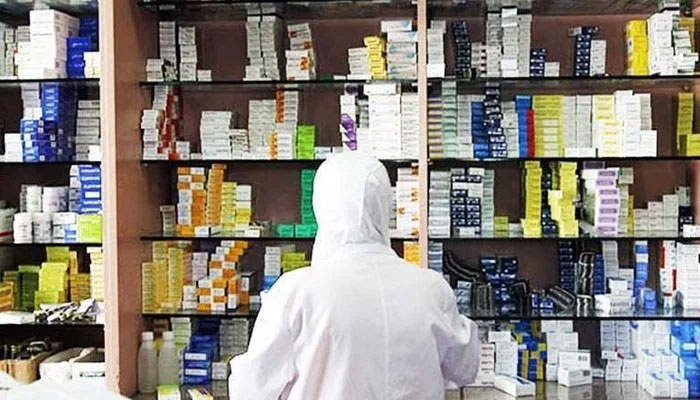
ISLAMABAD: Pakistan may face shortage of medicines and medical devices in the months ahead as local banks are not opening Letters of Credit (LCs) for the import of medicines’ raw material and medical devices due to dollar liquidity crunch, pharmaceutical manufacturers warned on Wednesday.
“The State Bank Pakistan (SBP) has verbally conveyed to all local banks not to open LCs for the import of Active Pharmaceutical Ingredients (API) due to shortage of dollars in the country. We have the money to buy medicines’ raw material from abroad but dollars liquidity crunch in the country may result in shortage of medicines in Pakistan in the weeks and months ahead,” Arshad Mahmood, Chairman of Pakistan Pharmaceutical Manufacturers Association (PPMA), North Region, told newsmen after attending the National Assembly’s Standing Committee on Health meeting.
“Most of the pharmaceutical companies have only two months’ raw material available with them and they are unable to place orders for the raw material for the future. If LCs are not opened soon, it may result in medicine shortages like the shortage of Panadol, which was not available in most parts of the country.”
“The Panadol shortage was due to the price issue but now we are facing double jeopardy as on the one hand prices are not being increased while on the other hand, raw material is not being imported due to dollars’ unavailability with the central bank,” Arshad Mehmood added.
The North Region chairman of PPMA maintained that Pakistan’s pharmaceutical industry is an import-based industry; it imports pharmaceutical ingredients from abroad. Due to rupee devaluation, cost of raw material was constantly on the rise while cost of production of medicines was increasing due to rising fuel cost, transportation charges and increased wages.
He maintained that prices of all other products in Pakistan were constantly on the rise but medicines prices were controlled by the state and manufacturers could not increase them on their own like any other industry in the country. Some of the essential medicines are not being manufactured and are not available in the local market as their cost of production has become unbearable for manufacturers, he added.
Convener of the National Assembly’s Standing Committee on Health Nisar Ahmed Cheema claimed that pharmaceutical manufacturers had agreed to provide medicines on 50 percent discount to public health facilities and hospitals in the country, saying it was big relief for poor patients. Praising the Drug Regulatory Authority of Pakistan (DRAP) and its Chief Executive Officer (CEO) Asim Rauf for provision of quality medicines to people of Pakistan, he said the issue of prices and drug pricing policy was being reviewed at the highest level by the government but assured that no decision would be taken against the interests of the people.






-
 Kate Middleton Knew Should Could Not Be ‘voice Of Reason’ With Prince Harry
 -
 Rihanna Has Wardrobe Malfunction At A$AP Rocky Fashion Show
 -
 Prince Harry Felt System Had ‘one Rule For Him, One For Prince William’
 -
 Jake Paul's Fiancée Sends Him Over The Moon Over Stunning Victory
 -
 Why Prince William, Kate Middleton 'partnership' Is Important For Monarchy
 -
 Katie Price Drama Escalates As Family Stays In Touch With Ex JJ Slater
 -
 Critics Target Palace Narrative After Andrew's Controversy Refuses To Die
 -
 Sarah Ferguson’s Delusions Take A Turn For The Worse: ‘She’s Been Deserted’
 -
 ICE Agents 'fake Car Trouble' To Arrest Minnesota Man, Family Says
 -
 Camila Mendes Reveals How She Prepared For Her Role In 'Idiotka'
 -
 China Confirms Visa-free Travel For UK, Canada Nationals
 -
 Inside Sarah Ferguson, Andrew Windsor's Emotional Collapse After Epstein Fallout
 -
 Bad Bunny's Star Power Explodes Tourism Searches For His Hometown
 -
 Jennifer Aniston Gives Peek Into Love Life With Cryptic Snap Of Jim Curtis
 -
 Prince Harry Turns Diana Into Content: ‘It Would Have Appalled Her To Be Repackaged For Profit’
 -
 Prince William's Love For His Three Children Revealed During Family Crisis