This week, You! takes a look at a ‘Rural Sales Programme’ for the rural women in order to reduce poverty by making them more self-reliant...
This week, You! takes a look at a ‘Rural Sales Programme’ for the rural women in order to reduce poverty by making them more self-reliant...
Rural women are key agents for development. They play a catalytic role towards achievement of transformational economic, environmental and social changes required for sustainable development. But limited access to credit, health care and education are among the many challenges they face. These are further aggravated by the global food and economic crises and climate and social change. Empowering them is essential, not only for their well-being or their families and rural communities’ comfort, but also for overall economic productivity.
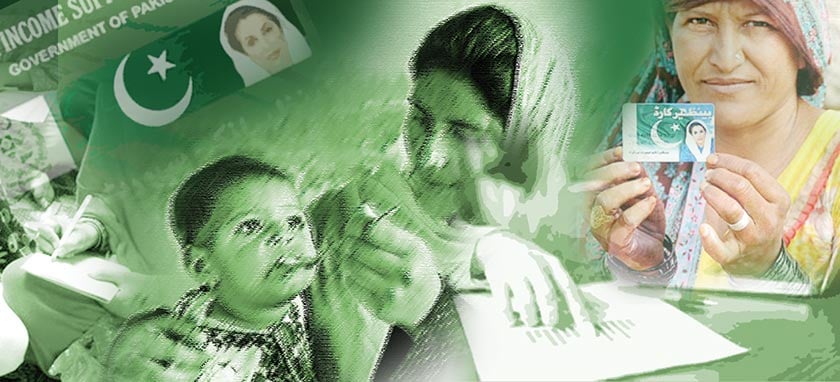
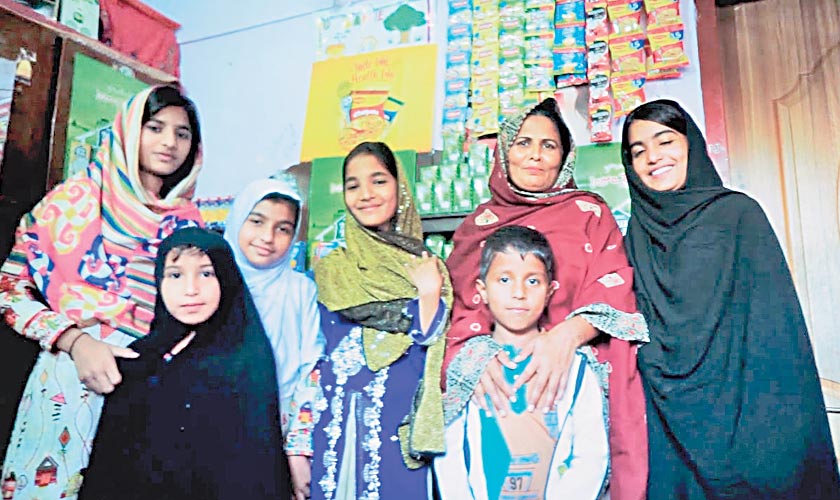
Keeping this in mind, Pakistan Government’s Benazir Income Support Programme (BISP) in collaboration with Nestle Pakistan officially launched their ‘Rural Sales Programme’ recently. This transformative collaboration between the nutrition, health and wellness company & BISP has enabled BISP beneficiaries - often referred to as ‘poorest of the poor’ women - to earn a livelihood for themselves and their families. To date, more than 250 beneficiaries have been enrolled as the company’s rural sales agents across 12 districts of Punjab and Sindh. By 2021, the number of beneficiaries is expected to go up to 5,000 at least.
The programme has seen many success stories of women who managed to become breadwinners of their families. In addition to a rigorous sales training, these women also participate in nutrition awareness sessions that enable them to make healthier lifestyle choices for their household, overall. By 2021, nutrition for at least 10,000 female will be covered by the Rural Healthy Women, sister programme.
Moreover, in Pakistan, many other companies such as Uber, Metro and others are partnering with BISP and are in process of developing graduation programmes like these. The financial contribution comes from BISP funds and these companies are responsible for trainings and providing income generating models to them. For example, the Memorandum of Understanding (MoU) between BISP and Uber under which four-wheeled vehicles including rickshaws will be provided to women without any down payment and under a five year easy instalment plan. The transport company will train the beneficiaries and make them capable of making a respectable earning. The financial contribution in this case will also come from BISP funds.
BISP sources share that engagement of their beneficiaries with private companies comes as part of the ‘Introduce the Inclusive Business (IB)’ development component for income generation through linking up the poor to the value chains of large companies. The concept note of the initiative states that, “To escape poverty, the poor involved in IB investments of such companies would get income higher than the market rate from those companies, along with other support services from these companies i.e. training, inputs and secure markets.” The beneficiaries of the graduation programme have the option to get a lump sum amount from BISP for investment purposes on the condition of giving up the quarterly Unconditional Cash Transfer (UCT) for a couple of years.
Success stories of Sajida & Rani Begum
The graduate programme has made many women’s lives easier than they could ever imagine. Sajida Bibi, who belongs to the rural area Renala, in the Okara district of Punjab is one such example. All of her six children were pulled out of school due to financial constraints and what they earned was hardly enough to meet their basic needs.
Surveys had been carried out under BISP to identify potential beneficiaries for the programme, according to which Sajida’s household was categorised as ‘poor and deserving’. Following this categorisation, Sajida became eligible to receive UCT from BISP funds on a regular basis to supplement the family income. However, Sajida’s life took a massive turn when she was selected as a beneficiary of the graduation programme which aimed at empowering women economically instead of relying on cash transfers. Under this programme, the private sector has also extended its support and engaged BISP beneficiaries in income generating activities after providing them the required training.
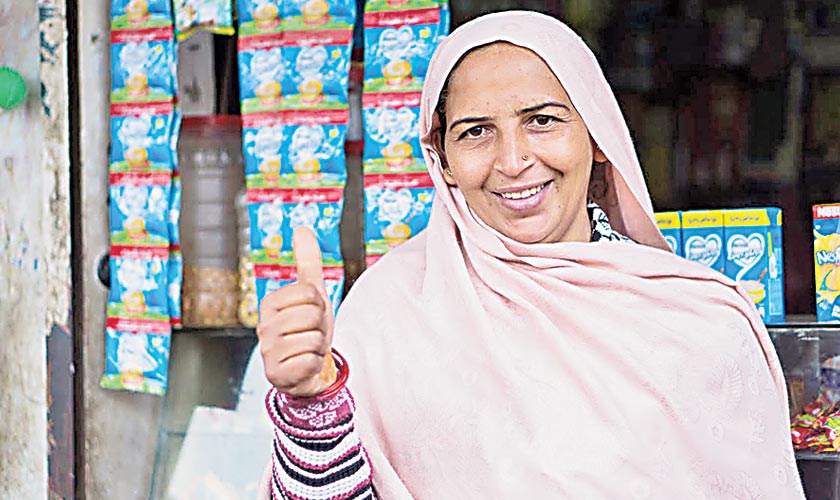
Today, Sajida is working as the rural sales agent and selling different food products, including the fortified ones, to the households in her locality at their doorstep. During her visits to different houses, she spreads awareness regarding nutrition and its importance among the female members of the family. “I earn around Rs 10,000 per month from my sales and have enrolled my children in school again. I hope that my income will increase gradually in the number of my customers and the investments I will make from time to time,” shares Sajida.
Another case in point is of Rani Begum from a village near Sukkur. She was also once dependent on the quarterly UCT and her children were out of school. She joined training as the food company’s Sales Agent in January 2018 and after completion, started working in the rural areas in her vicinity. Though hard to believe, it is a fact that her monthly income has gone up to Rs 14,000 in such a short time. Rani is getting her children enrolled in school one by one and also saving some amount for emergency situations.
A journey towards economic progress...
Waqar Ahmad, Head of Corporate Affairs at the Nestle company, shares that the beneficiaries of the programme are selected according to set criteria, and from the data provided by BISP to them. “The women who can speak well and present themselves in a proper way are given preference, though there isn’t an education requirement to qualify. Once trained, these women start working as sales agents after buying stocks at discounted prices with the help of the money they receive from BISP funds. Apart from empowering women economically this initiative is also creating awareness about how to fight malnutrition and stunting.”
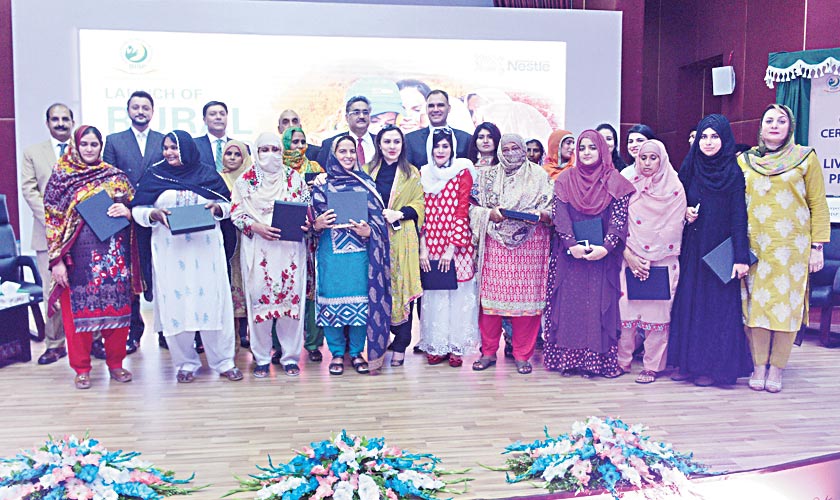
Additionally, BISP Chairperson Marvi Memon is highly appreciative of the role played by the corporate sector in improving the socio-economic status of women. She hopes other companies, especially those dealing in Fast-moving Consumer Goods (FMCGs), will follow the sample and provide similar opportunities to families supported by BISP. Marvi believes that it is high time to tackle poverty and make the poor self-reliant than staying dependent on cash transfers. “The federal government has posed confidence in the programme and raised the budgetary allocation for this initiative to Rs 121 billion in the current budget. This is almost triple the amount allocated at the time of BISP launch in 2008,” she reveals.
Against this backdrop, there is a consensus among policymakers, economists, political leadership and other stakeholders that providing sustainable livelihood options to people is the best way to fight poverty and prolonged dependence on UCTs that makes them lazy and dependent. Therefore, there are a lot of hopes about the success of BISP graduation model (BGM) which enables the cash grant recipients to graduate into earning individuals through self or wage employment.