The global shift towards automation has transformed the way companies operate, interact with customers and maintain competitiveness in rapidly evolving markets.
AUTOMATION
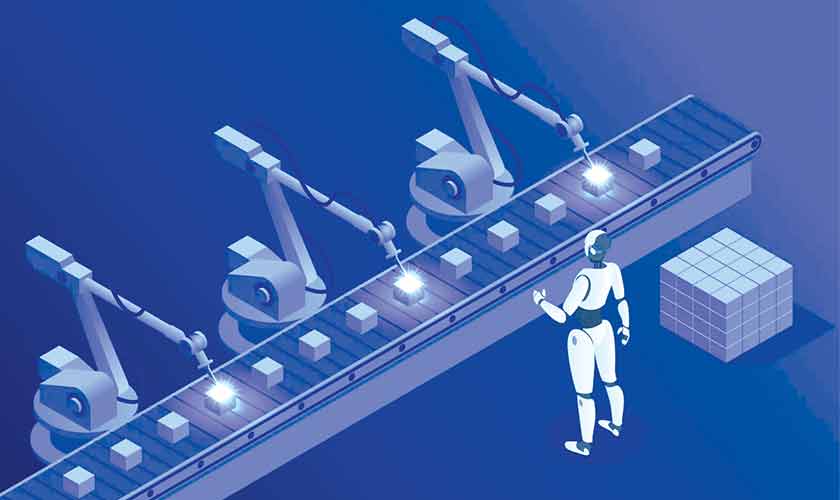
The global shift towards automation has transformed the way companies operate, interact with customers and maintain competitiveness in rapidly evolving markets.
For Pakistan, a country with a population exceeding 250 million, a young workforce and a growing digital infrastructure, business automation presents both challenges and opportunities. It holds the potential to increase efficiency, reduce costs, and help businesses expand; however, it also requires investment, training and a shift in the way people think about work.
Automation in business simply means using technology to complete tasks that would otherwise be done manually by people. It is not only about machines and robots on factory floors, but also about software that can manage accounts, digital systems that can handle customer service, or online platforms that can process transactions without the need for human involvement. In Pakistan, where businesses frequently encounter challenges such as inefficiency, corruption, delays and a shortage of skilled workers, automation has the potential to address many of these issues.
For instance, when a company uses automated billing or accounting systems, it reduces the chances of human error, makes the process faster and builds trust with the customers and partners. When a small business uses an e-commerce platform with automated payments and deliveries, it reduces dependence on middlemen and expands its reach to a wider customer base.
In Pakistan, business automation is still in its early stages, but the trend is clearly visible. Banks have been at the forefront of this change; automation has allowed them to digitalise records, launch mobile apps and introduce online banking. Customers can now transfer money, pay bills and even open accounts from their phones without visiting a branch. Similarly, telecom companies have adopted automated systems for recharges, complaint management and service requests, which has reduced the pressure on call centres and provided quicker solutions for the customers.
In the retail sector, supermarkets and large chains are using point-of-sale systems and digital inventory management tools, making operations more transparent and less reliant on manual stockkeeping. Even in agriculture, automation is slowly being introduced through modern irrigation systems, drones for crop monitoring and mobile-based platforms that provide farmers with weather updates and price information.
Several Pakistani companies are also playing an active role in driving business automation. Systems Limited, one of the country’s leading IT firms, provides software solutions, cloud services, and data management tools that help businesses automate their operations and improve decision-making. TRG Pakistan has invested in technology-driven platforms for customer service and business process outsourcing, which rely heavily on automation to reduce costs and improve efficiency.
In the fintech sector, companies such as easypaisa and JazzCash have automated financial transactions for millions of people, making payments, transfers, and bill settlements easier and more transparent. Similarly, NETSOL Technologies is enabling the financial and leasing industry with automated solutions that meet international standards and support global operations. Another such name is SAP Pakistan, which empowers organisations with enterprise resource planning (ERP), digital transformation solutions, and intelligent automation tools that enhance operational efficiency and facilitate data-driven decision-making across industries.
Besides, many smaller technology startups are also contributing to this shift. Companies like Bykea have automated ride-booking and delivery services, while Bazaar Technologies is helping small retailers manage inventory and orders through digital platforms. EdTech firms are using automation to provide online learning solutions, and health-tech startups are developing apps for consultations, prescriptions and record-keeping.
One of the primary drivers of business automation is the rapid growth of the internet and increasing smartphone penetration. With over 190 million mobile phone users and more than 125 million broadband subscribers, digital technology has become widespread across the country. Young people are quick to adopt apps and online tools, and this has pushed businesses to follow suit. E-commerce platforms like Daraz, foodpanda, and many local startups rely heavily on automation to handle orders, deliveries, and payments. Ride-hailing apps such as inDrive and Yango use automated systems for matching riders with drivers, tracking rides in real-time, and processing digital payments.
The recent policies introduced by the government have also encouraged the move towards automation, especially in taxation and regulation. The Federal Board of Revenue (FBR) has introduced digital tax filing systems, online payment methods, and automated notices to make compliance easier for businesses. Provincial governments have developed portals where companies can register online, apply for licences or submit reports without physically visiting government offices. The State Bank of Pakistan (SBP) has also promoted digital banking and fintech solutions, recognising that automation in financial services is necessary for greater transparency and financial inclusion.
The scope of business automation in Pakistan is immense. Artificial intelligence, machine learning, blockchain and the Internet of Things are technologies that are already being explored in developed economies. Pakistan may be a few steps behind, but it has the potential to catch up quickly
Despite this progress, business automation in Pakistan faces several challenges. The first is infrastructure. Reliable electricity and stable internet connections are necessary for automation, but many parts of the country still suffer from power cuts and weak connectivity. Without addressing these issues, businesses in rural and semi-urban areas cannot fully leverage the benefits of digital tools.
The second challenge is cost. Many small businesses find it expensive to adopt modern software, hardware or automated systems. They continue to rely on manual methods because investing in automation requires upfront spending that they cannot always afford. The third challenge is skills. While Pakistan has a young and energetic workforce, many workers lack the necessary training to utilise automated systems effectively. Companies need to invest in training their staff and educational institutions must update their curricula to prepare students for a computerised business environment. There is also resistance to change, as employees and sometimes even owners fear that automation will lead to job losses.
The fear of job losses is a sensitive issue, where unemployment and underemployment are already serious concerns. Automation can indeed replace some roles, particularly those involving repetitive or manual tasks. However, it also creates new opportunities. For example, when companies adopt digital systems, they need IT professionals, data analysts and system managers to run and maintain them. When retail goes online, it creates demand for digital marketers, content creators and delivery staff. When agriculture becomes more automated, farmers require training and support services. The real challenge is not that automation eliminates jobs, but that it changes the nature of employment. Pakistan needs to focus on reskilling its workforce so that the people can adapt to these changes.
Another important aspect of business automation is its impact on transparency and accountability. In a country where corruption and mismanagement have often been obstacles to business growth, automation reduces human discretion and builds trust. For instance, automated procurement systems in public and private organisations can make the bidding processes more transparent. Digital payroll systems can prevent ghost employees and ensure timely salary payments. Online tracking systems for goods and services reduce the chances of fraud and delays.
For the export sector, automation is critical. Global supply chains demand efficiency, traceability, and compliance with international standards. Many Pakistani exporters, particularly in the textile, garment and manufacturing sectors, are adopting automated production lines, quality control systems and logistics management tools to meet these requirements. Without automation, Pakistani businesses risk losing competitiveness to countries such as Bangladesh, India and Vietnam, which are moving faster in this direction.
The rise of automation also provides a strong platform for entrepreneurship in Pakistan. Startups are making use of cloud-based tools, artificial intelligence, and automated platforms to build innovative businesses with limited resources. From online education services to health-tech platforms, automation enables young entrepreneurs to reach wider audiences, reduce costs, and scale more quickly. The startup ecosystem in Pakistan has experienced rapid growth over the last few years, with numerous companies securing investments from both local and international investors. Much of this growth would not have been possible without the use of automation in marketing, operations and customer engagement.
The scope of business automation in Pakistan is immense. Artificial intelligence, machine learning, blockchain and the Internet of Things are technologies that are already being explored in developed economies. Pakistan may be a few steps behind, but it has the potential to catch up quickly if the right policies and investments are made. Universities and training institutions must equip young people with the skills necessary for the digital economy. The government must provide incentives for small and medium enterprises to adopt automation. Large corporations must lead by example, showing how automation can create value, reduce costs and improve competitiveness. Collaboration between the public and the private sectors is also necessary, as no single actor can drive this transformation alone.
Business automation is both an opportunity and a necessity. It promises efficiency, transparency and competitiveness, but it also requires significant investment, adequate infrastructure and comprehensive training. While challenges such as cost, skills and resistance to change remain, the benefits are far greater. Pakistan has a unique advantage in its young population and expanding digital infrastructure, which can help it leapfrog into the future if properly utilised. The journey towards automation will not be easy, but it is unavoidable.
The writer is a seasoned journalist and a communications professional. He can be reached at: tariqkik@gmail.com