As global capital moves towards emerging economies, Pakistan finds itself in a position where it must transform its investment landscape to appeal to international investors
INVESTMENT
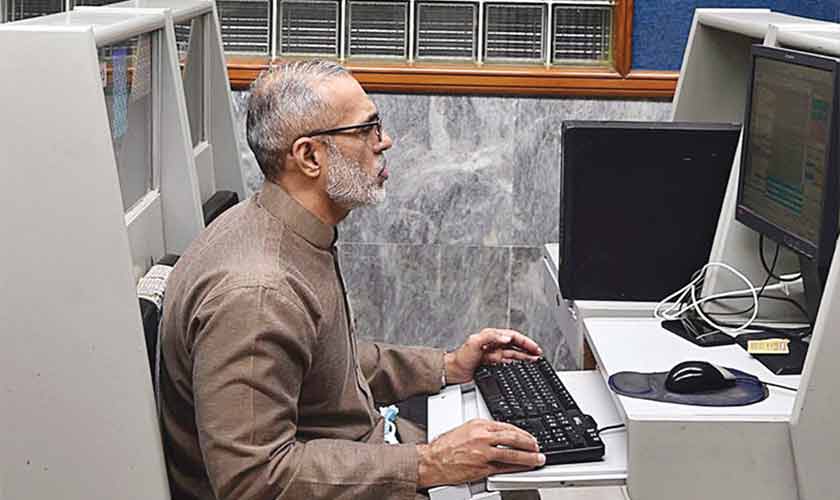
As global capital moves towards emerging economies, Pakistan finds itself in a position where it must transform its investment landscape to appeal to international investors
With one of the youngest populations in the world, rich natural resources, a growing technology sector, and its geostrategic location as a gateway to Central Asia, the Middle East and China, the country possesses unique advantages. Yet, despite these strengths, Pakistan struggles to capture significant global capital flows due to challenges such as policy uncertainty, regulatory hurdles, energy shortages and perceptions of instability.
For Pakistan to successfully position itself as an investment destination, it needs to rethink its strategies. Investors seek markets that offer a mix of opportunity, security, sustainability and growth potential. Pakistan has the capacity to deliver on these, but it requires a clear and consistent policy framework, strong governance and a collaborative approach between the government and the private sector. Global investors are no longer attracted simply by the low-cost labour or untapped markets. They now expect transparency, ESG (environmental, social and governance) integration, and technological readiness.
In recent years, countries in South Asia and the Gulf have created robust models for attracting capital by modernising their regulatory systems, investing in infrastructure, and offering incentives to foreign investors. For example, Saudi Arabia, under its Vision 2030 strategy, has attracted billions of dollars of investment in non-oil sectors through policy stability and strategic communication of opportunities. Pakistan can learn from such experiences by focusing on building investor confidence through predictable regulations and demonstrating its long-term commitment to growth.
A critical area of potential for Pakistan lies in its renewable energy sector. With growing global interest in green and sustainable investments, Pakistan’s untapped solar, wind, and hydropower resources could become a magnet for cross-border financing. Global funds are increasingly prioritising ESG-compliant projects, and Pakistan can meet this demand by aligning national policies with international sustainability frameworks. At the same time, investment in digital transformation, logistics, and infrastructure would not only modernise the economy but also make it more attractive to multinational companies seeking new growth markets.
Financial strategy and leadership play an essential role in enabling these opportunities. Professionals with international experience and a strong grasp of sustainable finance can be instrumental in shaping Pakistan’s approach. One such leader is Sadiq Nawaz, a Jeddah-based financial strategist with over 13 years of experience in finance and investment across the Middle East and South Asia. Sadiq has consistently advocated for the integration of ESG principles, advanced financial modelling and ethical investment practices, which are all necessary to attract responsible global capital. Currently serving as the financial planning and analysis manager at Suzuki Motors in Saudi Arabia, he has contributed to multimillion-dollar strategies that improve profitability, resilience and sustainability.
Sadiq’s knowledge of ESG-focused finance and digital transformation fits closely with the world’s shifting economic priorities. His approach to leadership is not limited to Pakistan’s needs; it also reflects the strategies and values that advanced economies, such as Australia and the US, are actively pursuing.
Beyond energy and finance, Pakistan also has strong potential in technology and innovation. The country’s growing IT sector has already shown its ability to attract outsourcing and software development contracts from abroad. With further investment in digital infrastructure, cybersecurity, and financial technology, Pakistan could position itself as a regional hub for innovation. The global trend towards digital assets and blockchain solutions also creates opportunities, but these require a robust regulatory framework to ensure trust and protect investors.
Global capital is searching for emerging markets that can deliver growth and resilience. If Pakistan positions itself wisely, it can be one of those markets, unlocking prosperity not just for investors but for its people and future generations
Agriculture is another sector where cross-border investment could have a transformational impact. Pakistan’s fertile land and large farming community make it a natural candidate for modern agricultural investments, including climate-smart farming, value chain development and agri-tech. Such investments not only improve productivity but also strengthen food security, both locally and globally. By creating partnerships with international investors in agriculture, Pakistan can unlock export potential and reduce its reliance on traditional sectors.
Improving governance is perhaps the most immediate requirement for attracting cross-border capital. Investors are wary of inconsistent regulations, slow bureaucratic processes, and weak dispute resolution mechanisms. By simplifying procedures, ensuring tax reforms, and adopting international standards of corporate governance, Pakistan can reduce these concerns. A clear commitment to combating corruption and ensuring transparency in investment processes would also go a long way in building confidence.
Global investors often look at the stability of policies rather than just profitability when deciding where to allocate funds. For Pakistan, this means that political stability and economic continuity are important. Frequent changes in policies or reversals of investor agreements send negative signals to the global markets. A long-term investment charter, jointly supported by all the political parties and endorsed by the private sector, would help create a stable environment that reassures investors.
Sadiq Nawaz’s vision of combining financial innovation with ethical leadership is exactly the kind of approach that Pakistan needs at a national level. His belief that finance is about creating long-term value for businesses, economies and communities mirrors what investors increasingly seek. By adopting such principles, Pakistan could not only attract global capital but also ensure that investments contribute to inclusive and sustainable growth. Leaders like him can guide both the public and private sectors towards more resilient frameworks that welcome cross-border investments.
Another critical step for Pakistan is to strengthen its diaspora engagement. Millions of Pakistanis working abroad send remittances, which are a significant source of foreign exchange. However, beyond remittances, the Pakistani diaspora can play a major role in attracting investments, creating joint ventures and building trust with the global investors. Establishing special platforms for diaspora-led investment initiatives and offering incentives for overseas Pakistanis to invest in local projects could unlock new flows of capital.
Pakistan’s regional and global partnerships also matter. Initiatives such as the China-Pakistan Economic Corridor (CPEC) have already demonstrated the scale of investment that can be mobilised through strong international partnerships. Going forward, Pakistan can diversify its investment partners by building stronger ties with countries in the Gulf, Europe, North America and East Asia. By showcasing its strengths in energy, technology and human capital, Pakistan can present itself as a natural partner for countries seeking growth markets.
To become an attractive destination for global capital, Pakistan must also invest in education and skills. By aligning education with industry needs, promoting vocational training and encouraging innovation at universities, Pakistan can create a future-ready workforce that supports cross-border investments.
Finally, communication plays a key role. Pakistan needs to actively promote its investment potential through global roadshows, investment forums and direct engagement with international investors. Clear communication of reforms, opportunities and success stories is essential to counter negative perceptions. Platforms such as public-private partnerships, international business summits and sector-specific investment expos can help bridge the gap between Pakistan and the global capital markets.
Pakistan has all the ingredients to attract global capital. However, success will depend on its ability to ensure policy stability, strengthen governance, align with ESG and sustainability principles and actively engage with global investors. Global capital is searching for emerging markets that can deliver growth and resilience. If Pakistan positions itself wisely, it can be one of those markets, unlocking prosperity not just for investors but for its people and future generations.
The writer is a seasoned journalist and a communications professional. He can be reached at: tariqkik@gmail.com