According to traditional Persian medicine, cupping evacuates the morbid materials from the compromised organs...
HEALTHWISE
Cupping therapy is safe and effective for many health disorders. It is used to treat pain, ease scar tissue deep within muscles and connective tissues, and reduce swelling and muscle knots.
The Chinese therapists believe that pain and various diseases or conditions are caused by stagnation and cupping not only improves the flow of qi (your vital life force), it also helps treat colds, bronchitis, and even pneumonia.
According to traditional Persian medicine, cupping evacuates the morbid materials from the compromised organs. It is supposed to minimize circulating toxins by drawing them into the skin where they are more easily removed. So the individual receiving the therapy enjoys improved blood flow, less inflammation, more relaxation and overall better energy.
Different methods of cupping
Cupping therapists often use the following three methods:
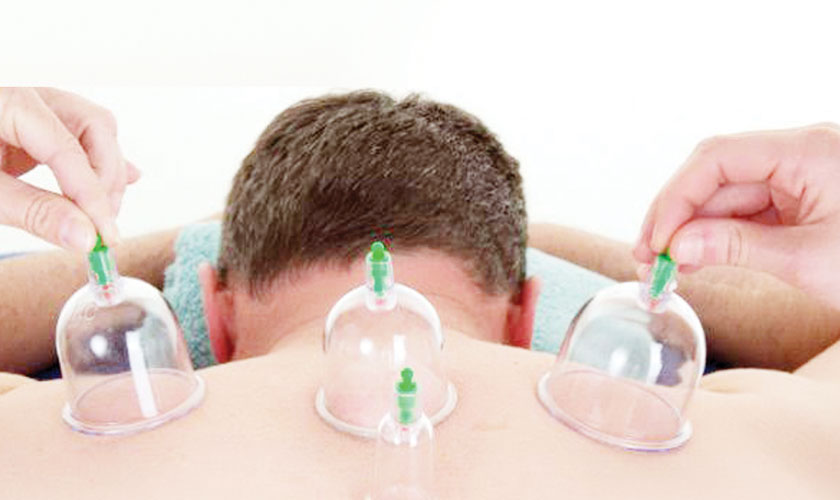
1. Fire cupping – in this method, a flame is introduced to the empty space of the cup to consume the oxygen. The cup is then quickly applied to the body creating a vacuum.
2. Pump cups – some cups use a pump that sucks the air out of the cup after it is placed on the skin. This allows for more precise control over the amount of suction.
3. Rubber (silicone) cups – a relatively modern invention, the rubber cups are first squeezed to remove the empty space and then applied to the body. The advantage of this lies in the flexibility of the edges, which allow the application of cups to bony and irregular areas.
Healers usually place cups on muscles like your back, legs, neck, and shoulders. Furthermore, they might put one or multiple cups in one session. They apply suction from a few minutes to 20 minutes, depending upon how deep and the age of the inflammation or pain. Finally, they remove the cups by raising one side.
The different ways that cupping may be used include:
Fixed cupping
As the name suggests, this involves cups which are fixed to the body and left to rest for a period of time. They may be applied as suction cups, pump cups or fire cups. This concentration is on a specific location, allowing time for the connective tissue to fully stretch. Anyone with localised pain and tension should for this method.
The strength of these cups can vary depending on the present state of the individual. The weaker someone’s energy is systemically, the lighter the cupping pressure. Hence, fewer cups will be used and they will be retained for a shorter period of time mostly for the debilitated, elderly and young children.
The next level of cupping is more appropriate for people with more strength. Medium cups may be used for a short period of time to remove local congestion in weaker patients or to encourage circulation in those with more vitality.
Strong cupping pressure should only be used on those with a high level of energy. These techniques can be draining and cups should not be retained for an extended period of time. This level of cupping will often be used when there is some chronic localised stasis in the surrounding tissue
Sliding cupping
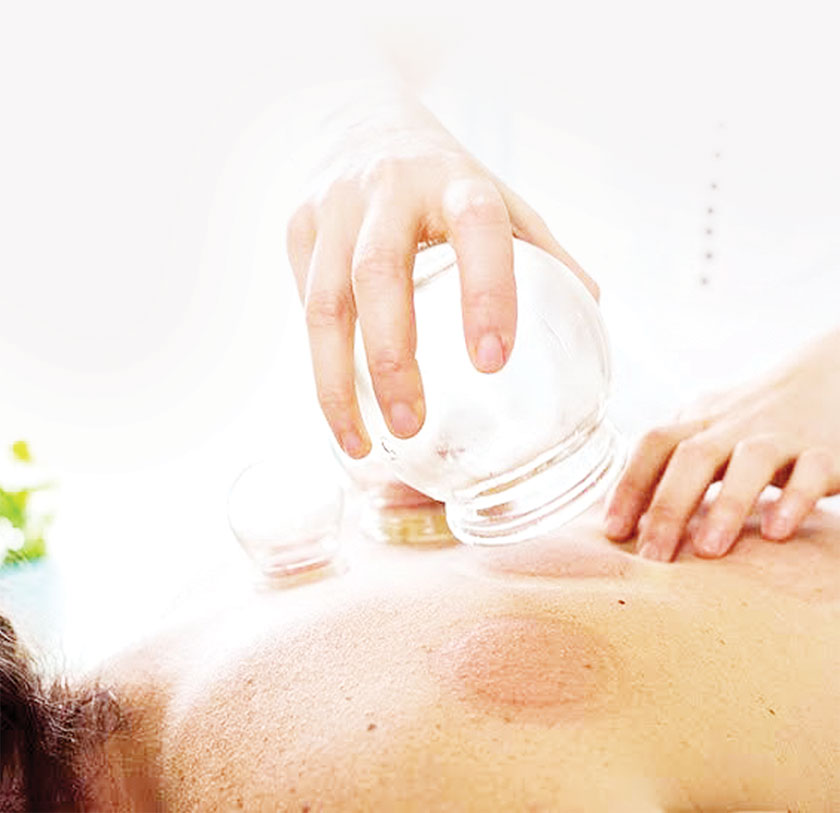
Massage oil is first applied to allow for frictionless movement of the cup. Cups are then affixed with medium strength and moved through the treatment area.
Flash cupping
Flash cupping involves the quick repeated application of cups, with minimal retention.
Wet cupping
Wet cupping is when cups are applied after a piercing of the sskin The piercing removes static blood and toxins from the body. The suction of the cups speeds up this process.
The cupping process itself does not hurt, and the bruising is usually related to the length of time left on, the suction intensity, or if you tend to bruise easily. The circular marks range in color from pink to deep red or purple and fade with time. Everyone’s body responds differently to cupping; therefore, some may fade after a few hours while others take up to two weeks to disappear completely.
To get the maximum benefits from cupping, it’s important that you follow a few guidelines.
How to prepare for cupping:
What to avoid after cupping:
Limitations
There are no reports of cupping doing any harm. It is a relatively painless process but it is not for everyone, and some people with certain conditions or using certain medications should proceed with caution and extra care from the practitioner:
Remember, cupping is not something you should ever try at home because of the potential risk of injury, infection, or doing more harm than good.