While cemeteries are the sites of spooky lore in many countries, this is not so much the case in the ever so secular Denmark....
BITS ‘N’ PIECES
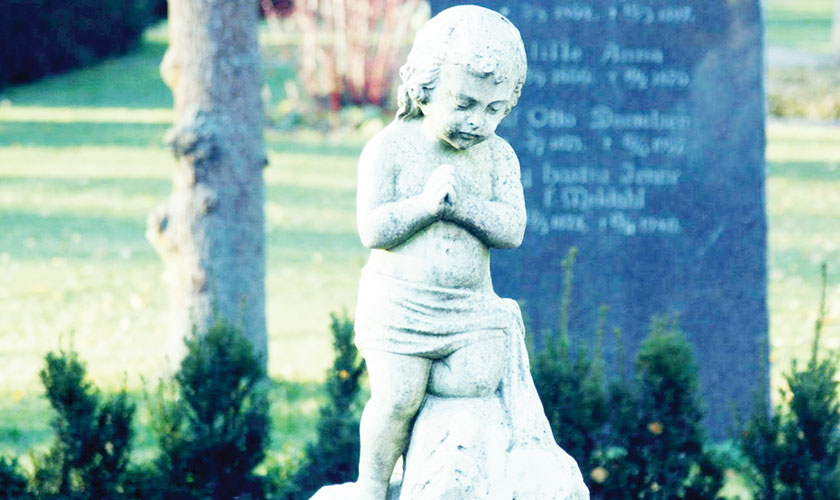
While cemeteries are the sites of spooky lore in many countries, this is not so much the case in the ever so secular Denmark. Many people might prefer to hang out in parks, but the Danes find it becoming to convert their cemeteries into areas for socializing. These cemeteries are well manicured and teeming with locals when the weather finally begins to warm up. Assistens Kirkegård in the country’s capital, Copenhagen, provides a perfect example. Plus, another incentive for people to hangout in cemeteries is that many famed Danes are buried here, including Hans Christian Andersen.
If you are single in Denmark, it is customary for your friends and family to throw you a birthday celebration by covering you in cinnamon when you reach 25. Many believe that the tradition dates back to when spice salesmen would travel around and remain bachelors. These salesmen never settled in one place long enough to meet a suitable spouse. However, the Danish people probably kept the tradition because it provides them with a fun way to celebrate a significant birthday. Well, it’s all fun and games until you reach 30, then they exchange cinnamon with peppers. That doesn’t sound like fun!