Skyscrapers are more than just towering structures of steel, glass, and concrete – they are symbols of human ambition, innovation...
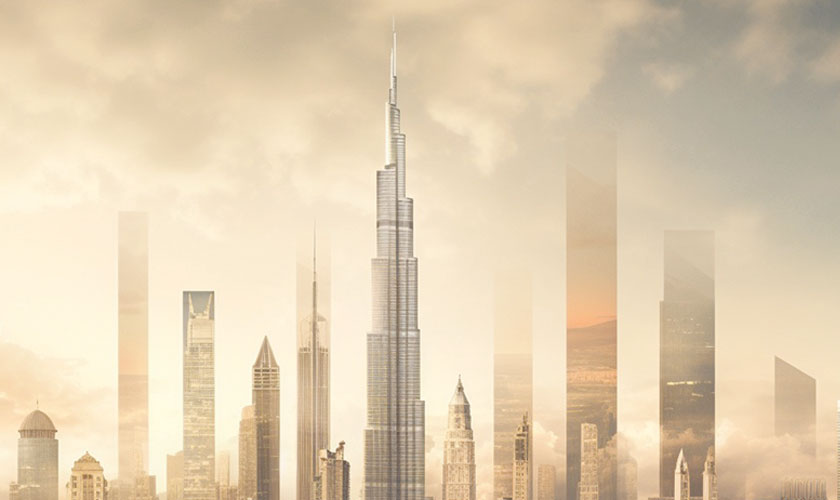
Skyscrapers are more than just towering structures of steel, glass, and concrete – they are symbols of human ambition, innovation, and the relentless pursuit of progress. These architectural marvels dominate city skylines, serving as testaments to engineering prowess and the ever-evolving nature of urban development. From the early days of the 20th century to the futuristic designs of today, skyscrapers have transformed the way we live, work, and interact with our environment.
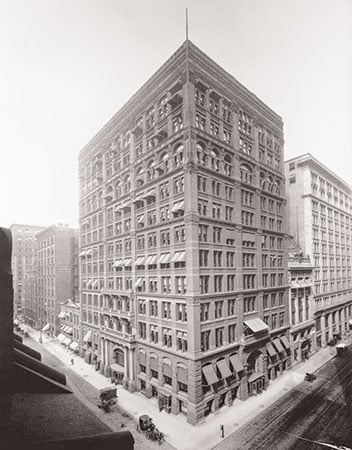
The concept of building upward rather than outward emerged in the late 19th century, driven by the need to accommodate growing urban populations and the rising cost of land in city centres. The Home Insurance Building in Chicago, completed in 1885 (and demolished in 1931), is often considered the world’s first skyscraper. Standing at 10 stories tall, it was a revolutionary structure for its time, utilizing a steel frame to support its weight, a technique that would become the foundation of modern skyscraper construction.
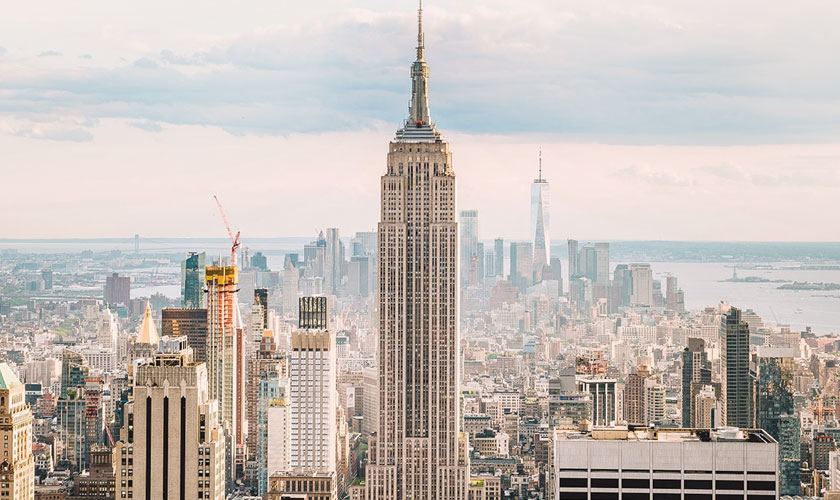
As the 20th century progressed, skyscrapers grew taller and more sophisticated. The Empire State Building, completed in 1931, held the title of the world’s tallest building for nearly 40 years. Its Art Deco design and 102 stories made it an icon of New York City and a symbol of American ingenuity during the Great Depression. The latter half of the 20th century saw the rise of international skyscrapers, with cities like Hong Kong, Tokyo, and Dubai joining the race to the sky.
Building a skyscraper is no small feat. It requires a combination of advanced engineering, innovative materials, and meticulous planning. The primary challenge is ensuring that the structure can withstand its own weight, as well as external forces like wind, earthquakes, and temperature fluctuations.
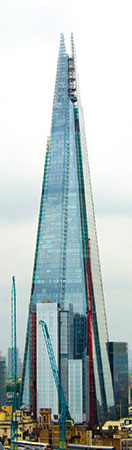
- Structural systems: Modern skyscrapers rely on a variety of structural systems to achieve their height and stability. The most common is the framed tube structure, which uses a perimeter of closely spaced columns and beams to resist lateral forces. Another innovative system is the diagrid, a network of diagonal beams that provide both strength and aesthetic appeal, as seen in buildings like the Shard in London.
- Materials: The materials used in skyscraper construction have evolved significantly over time. Early skyscrapers were built with steel and masonry, but today’s buildings often incorporate high-strength concrete, reinforced glass, and advanced composites. These materials are not only stronger but also lighter, allowing for greater heights and more creative designs.
- Wind and seismic resistance: Tall buildings are particularly vulnerable to wind forces, which can cause swaying and discomfort for occupants. Engineers use techniques like tuned mass dampers – large weights that counteract building movement – to mitigate this issue. In earthquake-prone regions, skyscrapers are designed with flexible foundations and shock-absorbing systems to ensure safety.
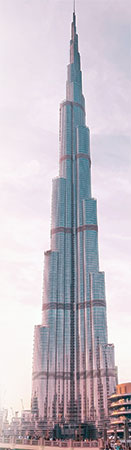
- Sustainability: As environmental concerns have grown, so too has the focus on sustainable skyscraper design. Green building practices, such as energy-efficient lighting, solar panels, and rainwater harvesting systems, are now standard in many modern skyscrapers. The Burj Khalifa in Dubai, for example, uses a condensate collection system to irrigate its surrounding landscape.
While skyscrapers are often seen as symbols of progress, they also have a significant environmental footprint. The construction process consumes vast amounts of energy and resources, and the buildings themselves require substantial energy to operate. However, advancements in technology and design are helping to mitigate these impacts.
- Energy efficiency: Modern skyscrapers are designed to minimize energy consumption. Double-glazed windows, insulated walls, and smart heating, ventilation, and air conditioning (HVAC) systems reduce the need for heating and cooling. Some buildings, like the Pearl River Tower in Guangzhou, China, incorporate wind turbines and solar panels to generate their own electricity.
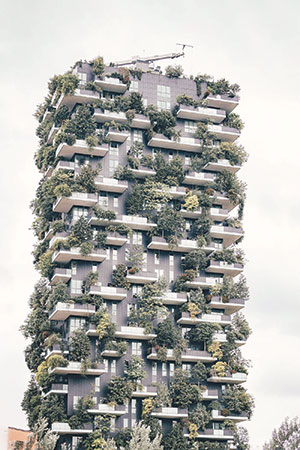
- Green spaces: Many skyscrapers now include green spaces, both inside and outside the building. Rooftop gardens, vertical forests, and indoor atria not only improve air quality but also provide a connection to nature for urban dwellers. The Bosco Verticale in Milan, Italy, is a prime example, with its façade covered in thousands of trees and shrubs.
- Urban density: By concentrating people and businesses in a small area, skyscrapers can reduce urban sprawl and preserve natural habitats. This density also makes public transportation more viable, further reducing the environmental impact of cities.
Skyscrapers are more than just functional buildings; they are cultural icons that reflect the aspirations and values of their time. The Empire State Building, for instance, became a symbol of hope and resilience during the Great Depression. Similarly, the Burj Khalifa represents Dubai’s ambition to become a global hub of commerce and tourism.
- Economic impact: Skyscrapers often serve as the headquarters for major corporations, financial institutions, and government agencies. Their presence can attract investment, create jobs, and stimulate economic growth. In cities like New York, Hong Kong, and Singapore, skyscrapers are integral to the global economy.
- Architectural innovation: Skyscrapers push the boundaries of architectural design, inspiring creativity and experimentation. Architects like Frank Lloyd Wright, Zaha Hadid, and Santiago Calatrava have left their mark on the skyline with bold, innovative designs.
- Cultural identity: Skyscrapers can become symbols of national pride and cultural identity. The Petronas Towers in Kuala Lumpur, for example, are not only architectural marvels but also a reflection of Malaysia’s rapid development and cultural heritage.
As technology continues to advance, the future of skyscrapers looks more exciting than ever. Concepts like vertical cities, where entire communities live, work, and play within a single structure, are no longer confined to science fiction. Advances in materials science, such as carbon nanotubes and self-healing concrete, could enable even taller and more resilient buildings.
- Smart buildings: The integration of artificial intelligence and the Internet of Things (IoT) is transforming skyscrapers into smart buildings. These structures can monitor and optimize their own energy use, security, and maintenance, creating a more efficient and comfortable environment for occupants.
- Mixed-use developments: Future skyscrapers are likely to be mixed-use developments, combining residential, commercial, and recreational spaces. This approach not only maximizes land use but also fosters a sense of community and reduces the need for commuting.
- Climate resilience: As climate change poses new challenges, skyscrapers will need to adapt. Designs that incorporate flood-resistant foundations, heat-reflective materials, and renewable energy sources will become increasingly important.
Skyscrapers are more than just feats of engineering; they are reflections of human ambition, creativity, and adaptability. From their humble beginnings in the late 19th century to the awe-inspiring structures of today, skyscrapers have reshaped our cities and our lives.
As we look to the future, these towering giants will continue to evolve, addressing the challenges of sustainability, urbanization, and climate change. In reaching for the sky, skyscrapers remind us of our limitless potential to innovate and build a better world.