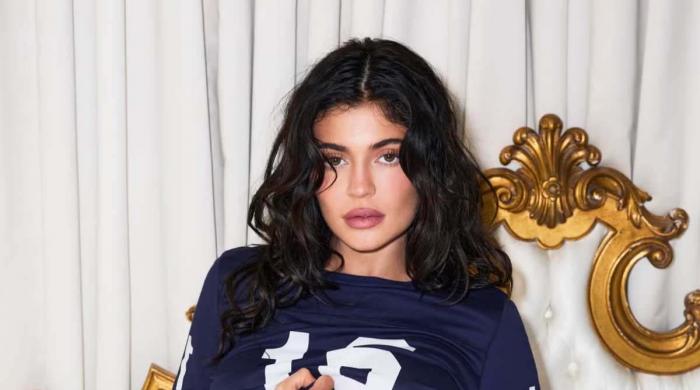
Zara Shahjehan, known for her quirky and feminine aesthetic, has been designing lawn for a couple of years now but 2015 is the year she branches out independently, and not in collaboration with a textile mill as she had done previously. With complete control over the creative and production processes, the label had promised an innovative and modern take on the summer fabric. Here’s a look at whether it delivered on that promise or not

Zara Shahjehan, known for her quirky and feminine aesthetic, has been designing lawn for a couple of years now but 2015 is the year she branches out independently, and not in collaboration with a textile mill as she had done previously. With complete control over the creative and production processes, the label had promised an innovative and modern take on the summer fabric. Here’s a look at whether it delivered on that promise or not:
Design Innovation and Variety
A quick browse through the collection of 18 prints is enough to tell one that going solo has been good for the label. The designer’s previous collaboration with So Kamal gave us prints that were pretty but conventional. This year, Zara Shahjehan lawn stands out for its array of unique prints and interesting colour combinations. The design influences range from Central Asian to Balochi to Aztec and kudos to Zara for bring them all together into an extremely cohesive and covetable range. Florals make their way into the collection in a big way but used together with animal print, ikat designs and embroidered panels, they get an edgy makeover.
In keeping with the current trend of designer lawn, the suits include embroidered necklines that end up looking much too similar to what other labels are offering to provide much value in terms of experimentation. The Balochi embroidery stands out though, for its fun and modern take on the traditional Balochi dress. There are some prints that offer embroidered fronts and printed backs, and that helps to break up the monotony and inject a dose of creativity.
Except for a couple of designs, most of the prints come with lowers in solid white and that’s a refreshing change from what’s available in the market. The plain white lowers not only save the joras from a print overkill, but also look cool and crisp.
Fabric Quality
Zara has paid special attention to the quality of the fabric used in her lawn range, given that this was her first independent venture. The fabric is soft and smooth to touch and falls nicely. The chiffon used for the dupattas is of fine quality and has a sheen to it that gives the overall product a formal look. The white fabric for the lowers is light-weight without being see-through, a concern that most women have when buying light-coloured lawn.
Price
Zara Shahjehan might be the most expensive lawn to have come out yet, with the upper limit for the heavily embroidered suits being PKR 7,295. The lighter ones start at PKR 6,495, which is the average rate for designer lawn in the market. But then, most other brands provide printed lowers that can be turned into a whole new outfit so one can argue that you’re actually getting two joras for the price of one.
Desirability
Is it worth the hefty price tag? Zara has been able to convert her unique aesthetic onto the fabric quite well, coming out with a range of prints that are pretty without being boring and that can translate well from day into eveningwear. The variety of influences that have gone into the design process inject an edginess into the collection that elevates it above many of its competitors. We can see the prints making their way into the wardrobes of fashionistas who are looking for a little creativity in their summer outfits.