Families dining together likely to be less stressed
Expert believes it is important to set goals and take time out to intentionally dine together
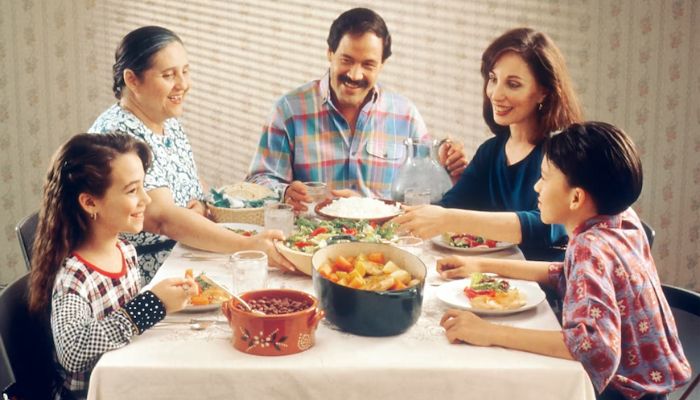
A recent study found that 91% of US parents have observed their families are less stressed when they dine together.
The American Heart Association carried out the poll on 1,000 adults and also found that 84% of people wished they could share more meal time with their loved ones. The average US adult, however, eats alone 50% of the time.
Erin Michos, MD, MHS, and an American Heart Association volunteer, said that sharing meals with people was a "great way to reduce stress and boost self-esteem" adding that it was especially beneficial for kids.
Several studies have shown that chronic stress increases the risk of heart disease and stroke.
The survey also found that apart from a reduction in stress, sharing meals with family had additional benefits. People were found to believe that dining with friends and family reminded them of the importance of social connections. Half of the respondents even said that the activity helped them "slow down and take a break".
Nearly 60% said they tended to choose healthier options when eating with others.
Michos believes it is important to set goals and take time out to intentionally dine together.


-
 Highest-level recall issued for potato chips over banned ingredient posing death risk
 -
 Very hot tea and coffee could triple cancer risk, Oxford study warns
 -
 Global study reveals nearly 1.7 million deaths linked to second-hand smoke exposure in 2023
 -
 AI-designed drug also slowed biological aging, study finds
 -
 Always tired and foggy? This vitamin deficiency could be the clue
 -
 Is loneliness becoming the next global health crisis?
 -
 Ebola outbreak: Congo faces deadliest crisis with over 3,000 deaths
 -
 New report reveals, children as young as six going to A&E in mental health crisis
-
 'Self-exercising' muscle implants developed by researchers offer workout benefits without movement
 -
GLP-1 drugs cut US obesity from 39.9% to 36.4%
-
New clinical trial highlights precision-dosing strategy for vitamin D deficiency management
-
Cyclospora outbreak: USDA research projects shelved amid funding cuts and relocations