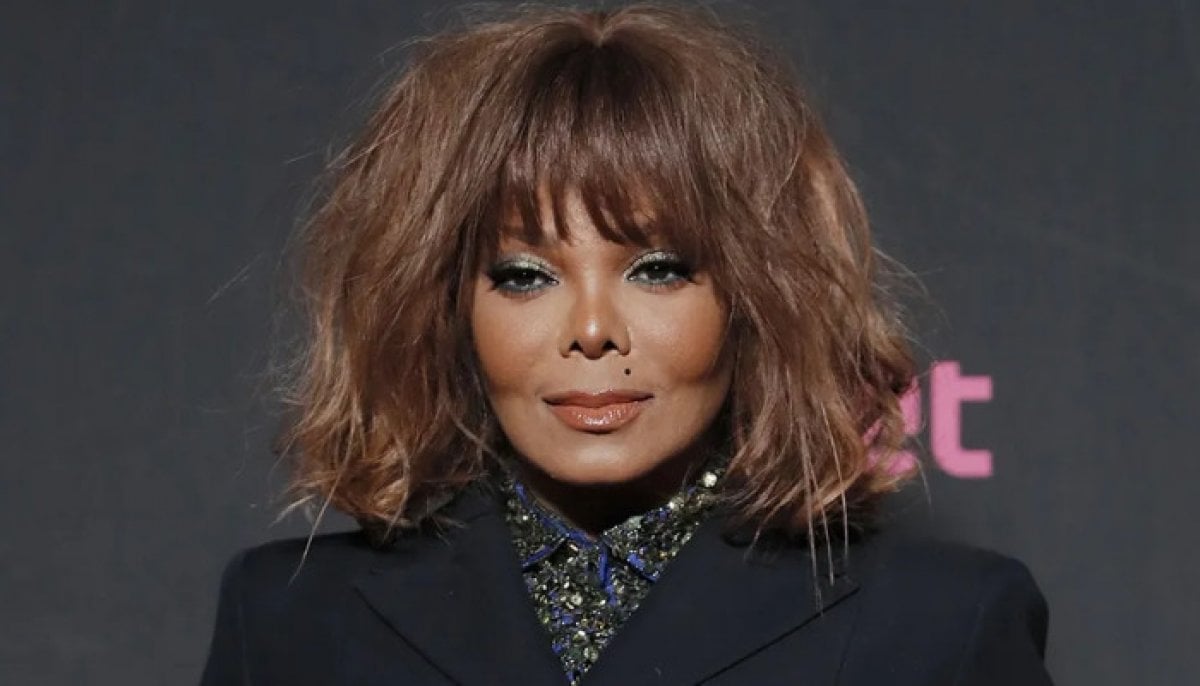
Ariana Grande opens up about ‘dark’ PTSD experience
Ariana Grande revealed her struggle with PTSD after the 2017 bombing at her Manchester tour show

During a conversation with the Hollywood Reporter podcast Awards Chatter, the Grammy-winning singer revealed what it was like experiencing post-traumatic stress disorder, grief, depression and anxiety while making the back-to-back albums.
Sweetener was released in August 2018 and marked Ariana's first music release following the 2017 bombing at the Manchester stop of her Dangerous Woman Tour that killed 22 people and injured hundreds.
Less than one month after the album came out, the Wicked movie star's ex-boyfriend Mac Miller died of an accidental drug overdose.
Then, Thank U, Next was born in about two weeks and she released the album in February 2019, as she felt that was what she "needed" to do at the time.
"I was doing so much therapy, and I was dealing with PTSD and all different kinds of grief and depression and anxiety. And, I was, of course, treating it very seriously, but having music be a part of that remedy was absolutely contributing to saving my life," she said on the podcast.
"They were dark times, and the music brought so much levity and so did the experience. But it poured out with urgency, and it was made with urgency, and it was a means of survival,” Ariana Grande concluded.
What Is PTSD?
Post-Traumatic Stress Disorder (PTSD) is a mental health condition that develops after experiencing or witnessing a traumatic event, such as accidents, violence, natural disasters, or war.
While stress reactions after trauma are common, PTSD occurs when symptoms persist for months and interfere with daily functioning.
Why Does PTSD Happen?
PTSD develops when the brain’s stress response system remains overactivated consistently after experiencing trauma.
Changes in areas such as the amygdala, hippocampus, and prefrontal cortex affect how a person processes fear, memory, and emotional regulation.
Treatment:
Treatment typically includes psychotherapy, particularly cognitive behavioral therapy (CBT) and trauma-focused therapies, along with medications such as antidepressants.






-
 Global study reveals nearly 1.7 million deaths linked to second-hand smoke exposure in 2023
 -
 AI-designed drug also slowed biological aging, study finds
 -
 Always tired and foggy? This vitamin deficiency could be the clue
 -
 Is loneliness becoming the next global health crisis?
 -
 Ebola outbreak: Congo faces deadliest crisis with over 3,000 deaths
 -
 New report reveals, children as young as six going to A&E in mental health crisis
 -
 'Self-exercising' muscle implants developed by researchers offer workout benefits without movement
 -
 GLP-1 drugs cut US obesity from 39.9% to 36.4%
-
 New clinical trial highlights precision-dosing strategy for vitamin D deficiency management
 -
Cyclospora outbreak: USDA research projects shelved amid funding cuts and relocations
-
AI tool flags severe heart failure with 91% sensitivity
-
Xylitol sweetener may raise stroke and heart attack risks, study suggests