WhatsApp update: Messaging app to introduce animating heart emojis
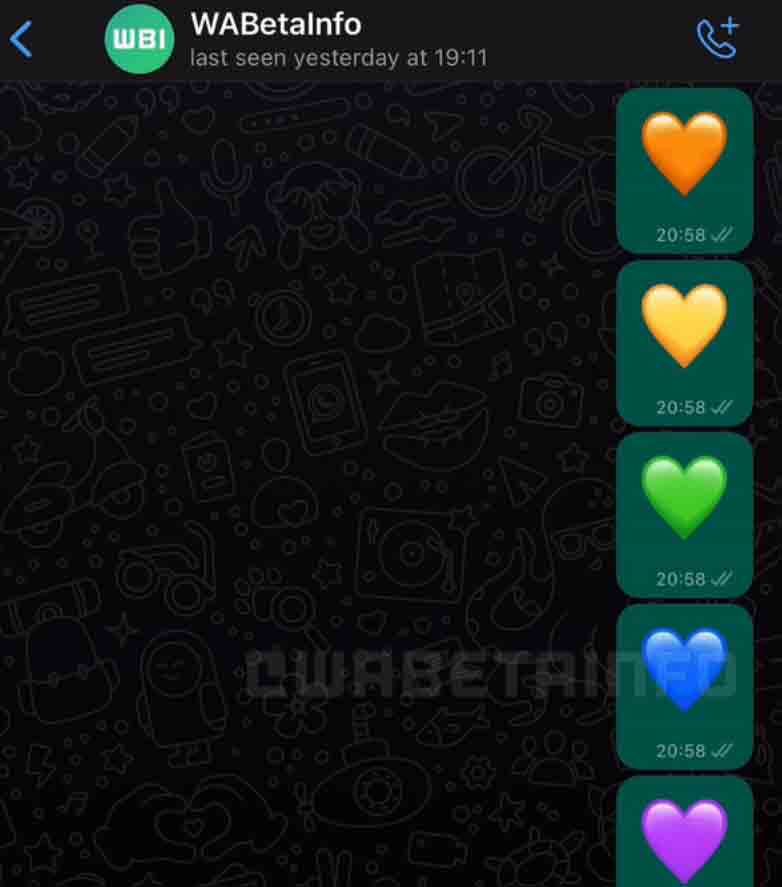
The new change will introduce the same animation for all other heart emojis as shown in the image

WhatsApp, the world’s most popular messaging app is planning to add another small visual element to its emojis, according to a report.
According to a WABetainfo report, the WhatsApp watcher, the company is mulling to roll out the feature in a future update.
When a user sends a red heart emoji, it is shown through animation, but it is only visible when sending that specific red heart.
The report said that the new change will introduce the same animation for all other heart emojis as shown in the image.
“It’s nothing special: it’s simply a small addition, but sometimes small things make the difference,” it added.
The image is taken from WhatsApp for iOS, but the company is also planning to release a new update of WhatsApp beta for Android to support the same feature as well.


-
 Could there be life on Mars? NASA Jared Isaacman claims chances are 90%
 -
 NASA Artemis II Moon mission set for liftoff today: Here’s what to know
 -
 Did the Big Bang happen differently? New theory challenges origin of Universe
 -
 April’s Pink Moon 2026: How to see the full moon in all its glory
 -
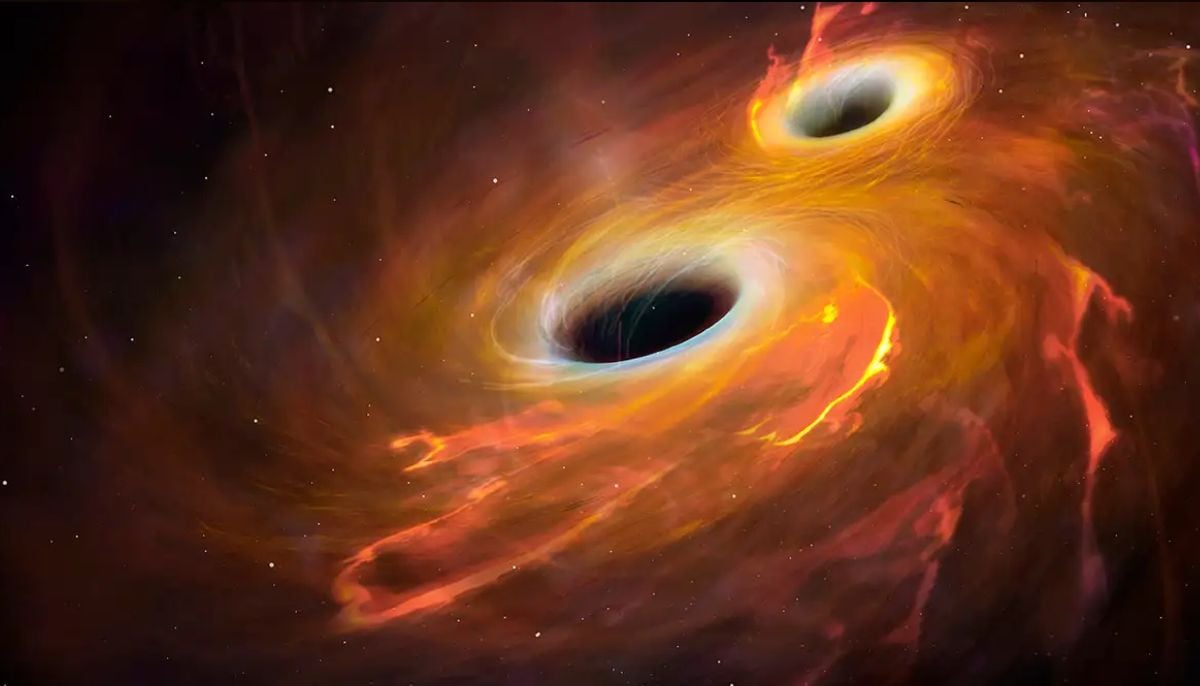 First-ever primordial black hole discovery? Scientists reveal breakthrough
 -
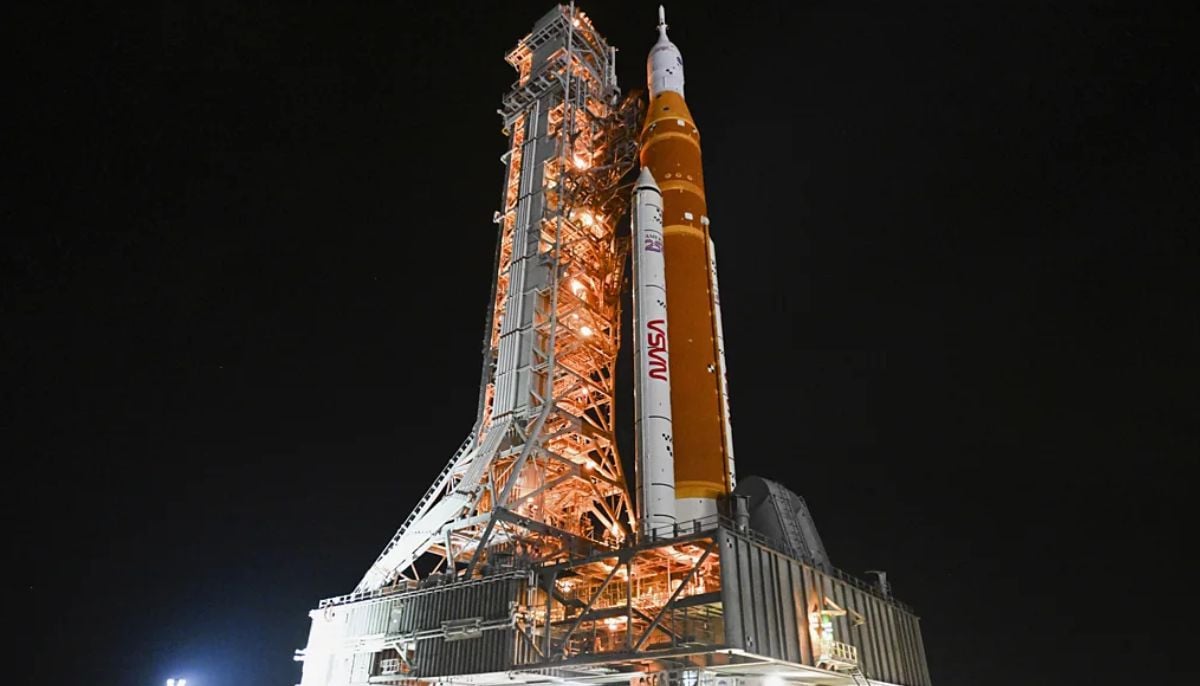 NASA Artemis II: Flight plan, risks and how it prepares humans for Mars
 -
 Superbugs on rise as climate change drives antibiotic resistance, study finds
 -
 Brain holds secret memory system, study finds
-
 How to watch NASA's Artemis II moon launch live on April 1
 -
New study shows dark spots in light waves outrunning the speed of light
-
Did you know Project Hail Mary features real astrophotography shots?
-
Teleportation breakthrough at quantum level—Will humans ever travel this way?
-
NASA faces medical mystery as veteran astronaut suddenly loses speech in space
-
NASA Artemis II astronauts begin final countdown for moon mission
-
Scientists discover alien-like systems shaping habitable planets
-
Japan ispace delays NASA-backed moon landing to 2030
-
Space babies: Can humans really reproduce beyond Earth?
-
Jupiter lightning proves far more powerful than Earth