SpaceX carries four astronauts to ISS
The orbital outpost is currently operating with just one NASA astronaut in the US segment to welcome the incoming crew
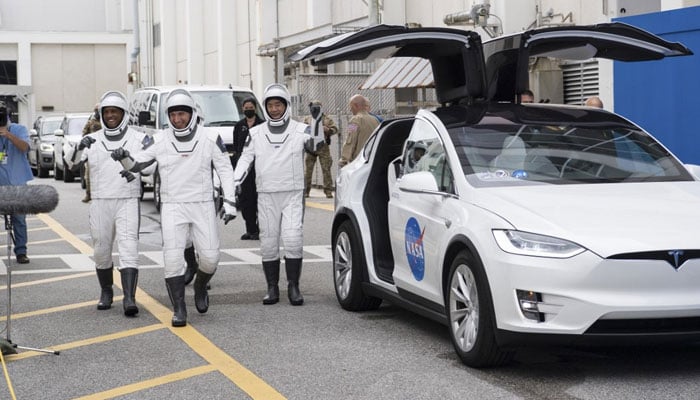
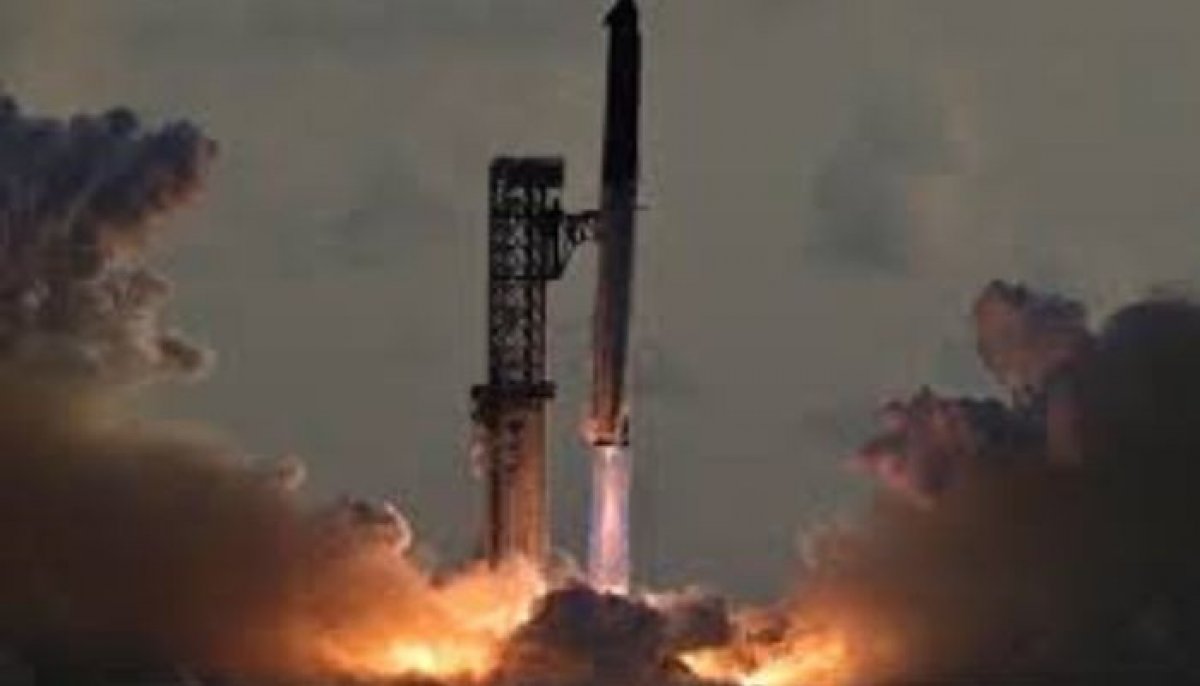
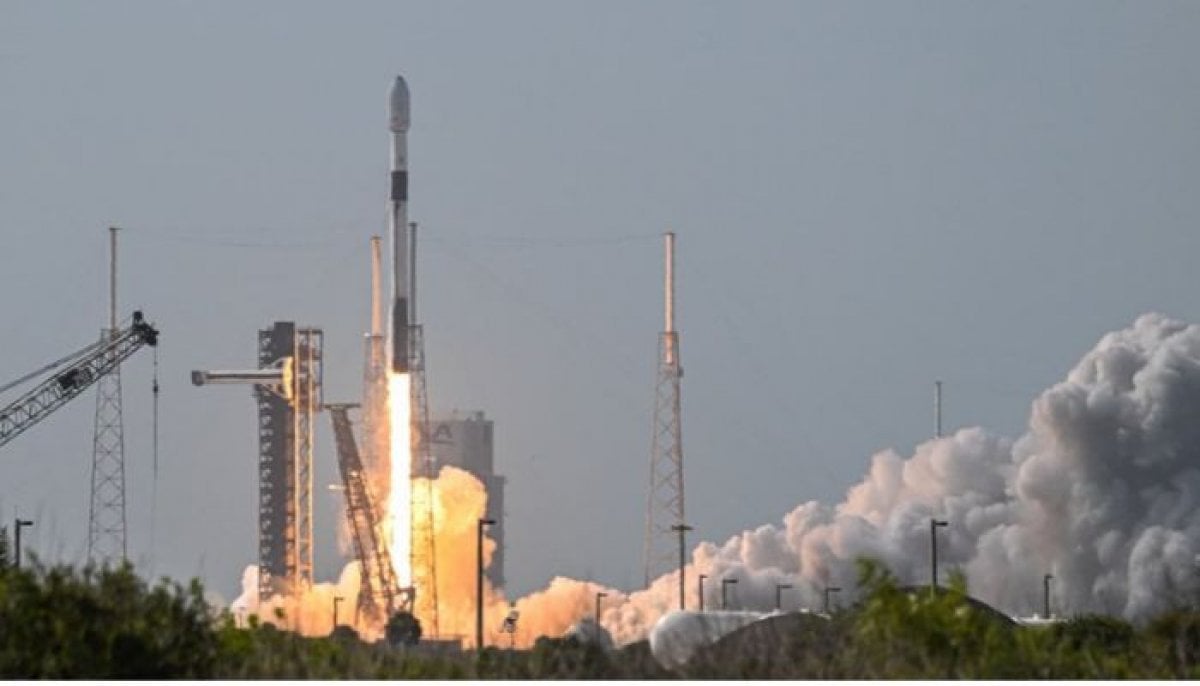
WASHINGTON: After a series of delays, Elon Musk's private company SpaceX launched four astronauts to the International Space Station on Wednesday night on the "Crew-3" mission.
The orbital outpost is currently operating with just one NASA astronaut in the US segment to welcome the incoming crew, after the astronauts of the earlier Crew-2 mission splashed down in the Gulf of Mexico on Sunday night.
Crew-3's Raja Chari, Kayla Barron and Tom Marshburn of the United States and Matthias Maurer of Germany blasted off aboard a Crew Dragon capsule fixed to a Falcon 9 rocket at 9:03 pm local time (0203 GMT Thursday) from the Kennedy Space Center in Florida. The launch was greeted by applause in the SpaceX control room.
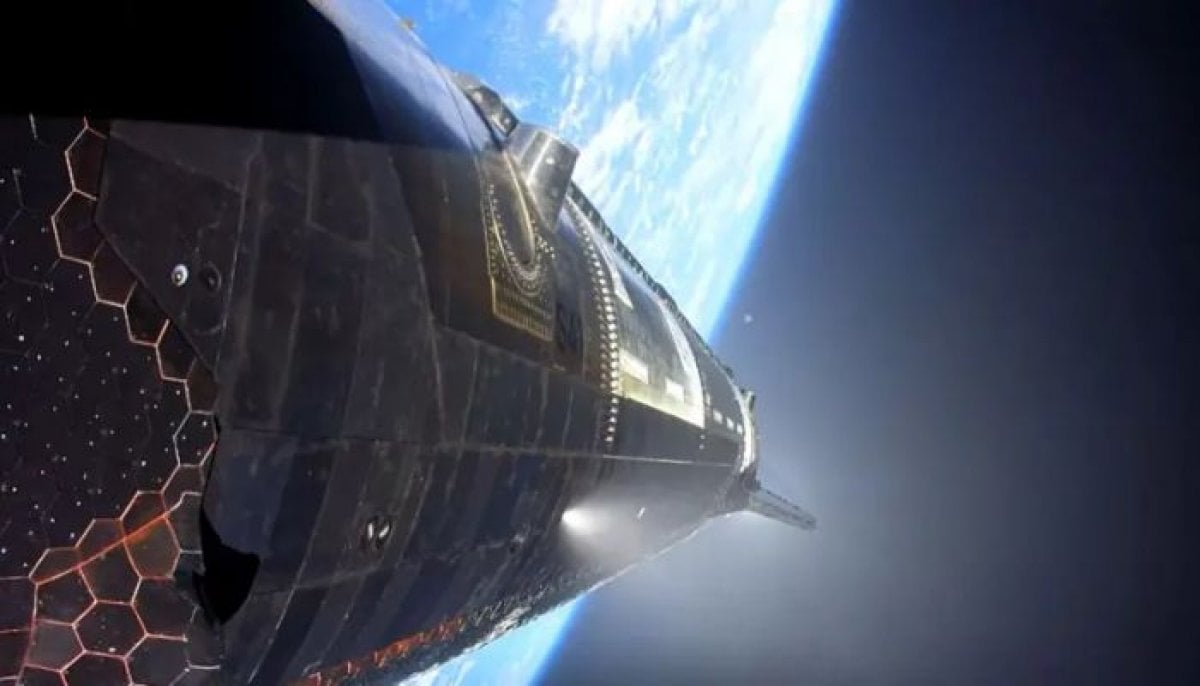
The spaceship, called Endurance, will dock with the ISS at 7:10 pm Thursday (0010 GMT Friday).
The flight was initially postponed from October 31 first for weather, then a "minor medical issue" affecting one of the crew. NASA did not say who it was but said it was not Covid-related.
Chari, a US Air Force colonel, is commanding the mission and making his first trip to space, along with Barron and Maurer.
Marshburn, a medical doctor, flew aboard a Space Shuttle in 2009 and a Russian Soyuz spacecraft in a mission from 2012-13.
Barron, who along with Chari was selected for the NASA astronaut corps in 2017, the most recent recruitment, previously served as a submarine warfare officer for the Navy, while Maurer, a materials science engineer, will become the 12th German in the cosmos.
Crew-3 is part of NASA's multibillion-dollar partnership with SpaceX that it signed after ending the Space Shuttle program in 2011 and aims to restore US capacity to carry out human spaceflight.
NASA chief Bill Nelson said he would attend Wednesday's launch.
The quartet will spend six months on the orbital outpost and conduct research to help inform future deep space exploration and benefit life on Earth.
Scientific highlights of the mission include an experiment to grow plants in space without soil or other growth media, and another to build optical fibers in microgravity, which prior research has suggested will be superior in quality to those made on Earth.
The Crew-3 astronauts will also conduct spacewalks to complete an upgrade of the station's solar panels and will be present for two tourism missions, including Japanese visitors aboard a Russian Soyuz spacecraft at the end of the year and the Space-X Axiom crew, set for launch in February 2022.


-
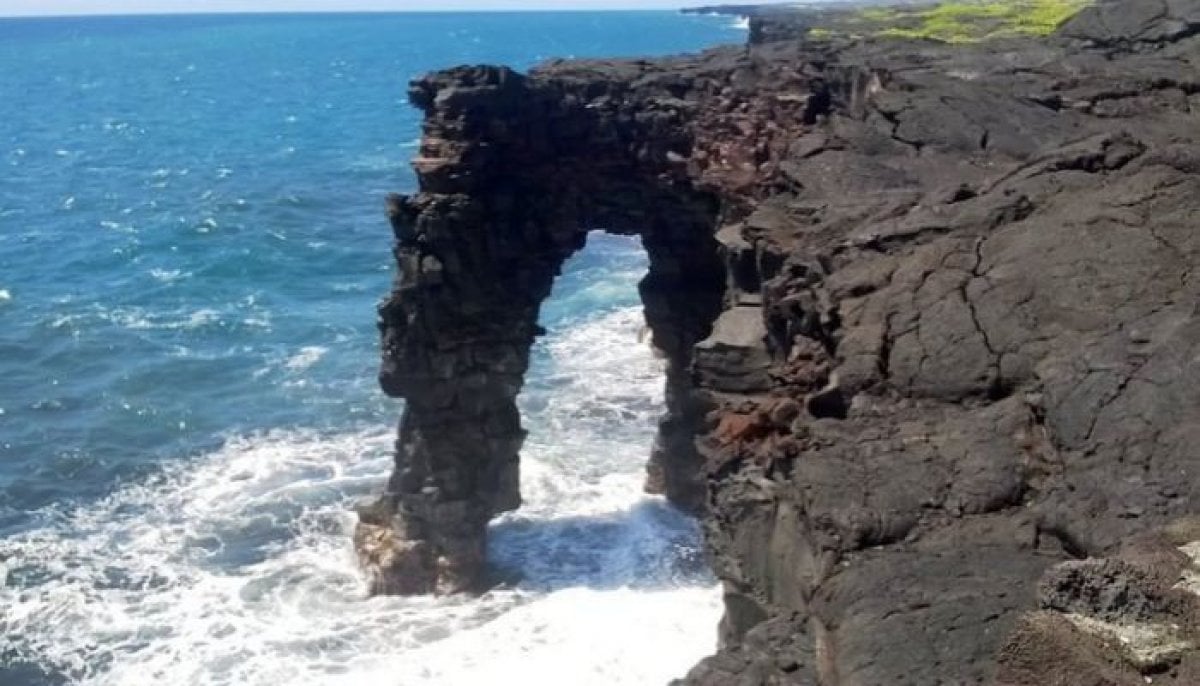 Hawaii’s Hōlei sea arch collapses after centuries on Big Island: What happened
 -
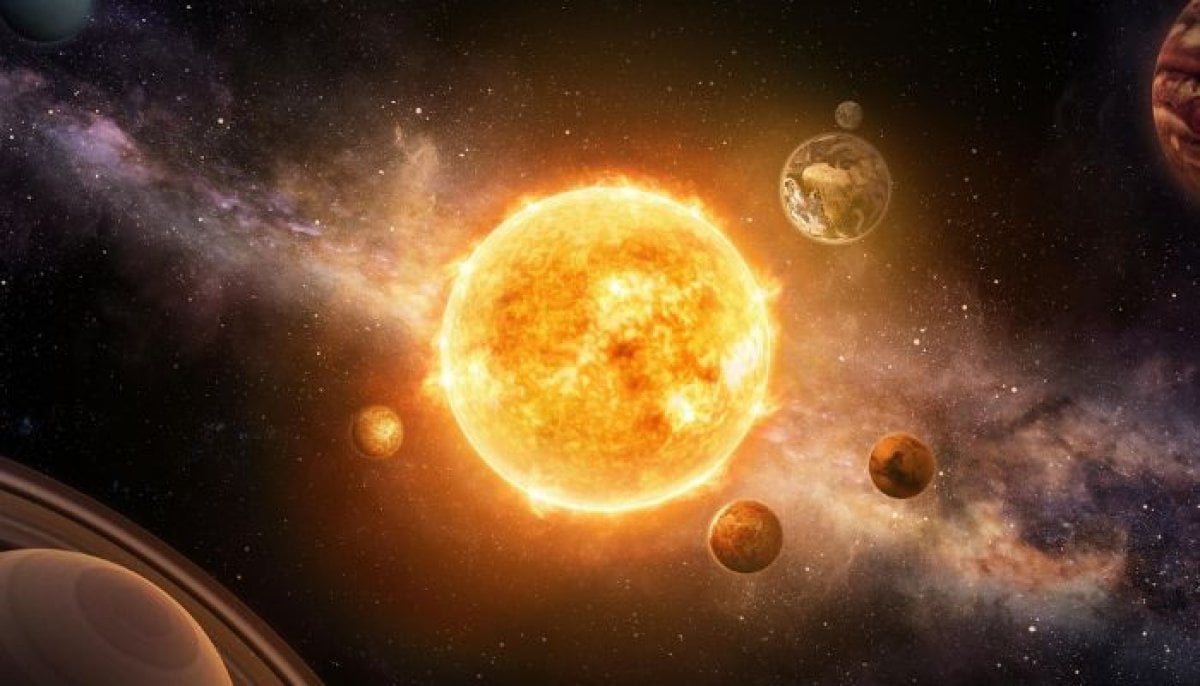 Solar system may have a much shorter lifespan than we thought
 -
 Singapore builds world’s ultra-precise clock outperforming US, China
 -
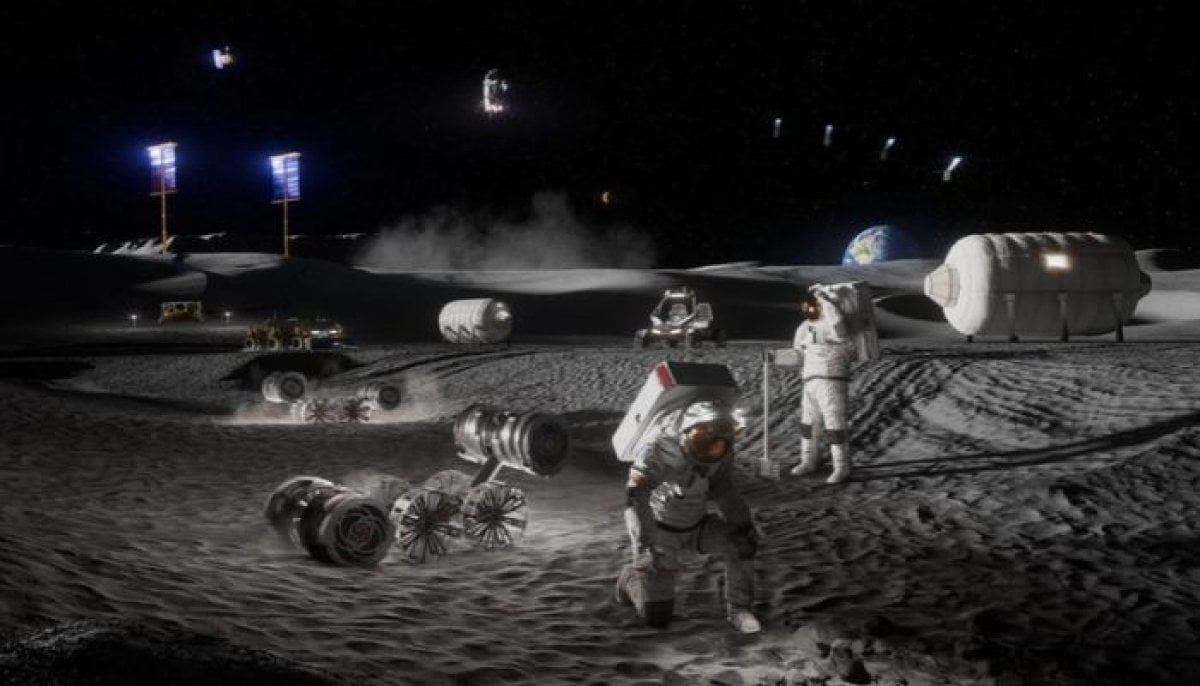 NASA expands Moon base research with three new investigations
 -
 Are Europe's data centres hiding their water use?
 -
 SpaceX set to send Google AI chips into space for data centers
 -
 New report warns of record ocean warming and rising seas
 -
 Why NASA scientists believe Scotland holds clues to Mars’ ancient past