NASA says SUV-sized asteroid becomes closest to pass Earth
The asteroid, which was about 10 to 20 feet long, passed above the southern Indian Ocean on Sunday
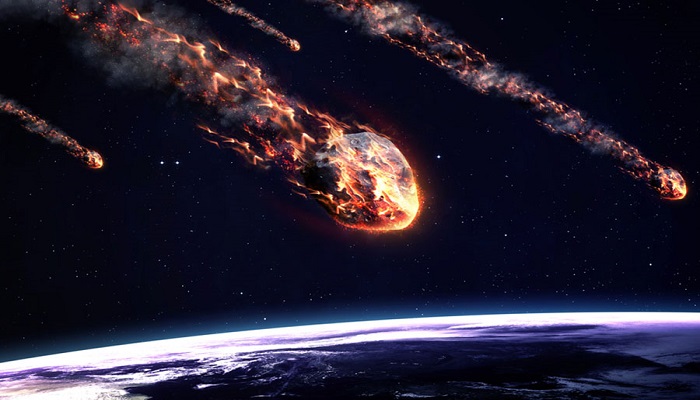
WASHINGTON: The Earth avoided a doomsday after an asteroid the size of an SUV passed 1,830 miles (2,950 kilometers) above it making it the closest asteroid ever observed passing by our planet, NASA said on Tuesday.
If it had been on a collision course with Earth, the asteroid — named 2020 QG — would likely not have caused any damage, instead disintegrating in the atmosphere, creating a fireball in the sky, or a meteor, NASA´s Jet Propulsion Laboratory (JPL) said in a statement.
The asteroid, which was about 10 to 20 feet (three to six meters) long, passed above the southern Indian Ocean on Sunday at 0408 GMT.
It was moving at nearly eight miles per second (12.3 kilometers per second), well below the geostationary orbit of about 22,000 miles at which most telecommunication satellites fly.
The asteroid was first recorded six hours after its approach by the Zwicky Transient Facility, a telescope at the Palomar Observatory at the California Institute of Technology, as a long trail of light in the sky.
The US space agency said that similarly sized asteroids pass by Earth at a similar distance a few times per year.
But they're difficult to record, unless they're heading directly towards the planet, in which case the explosion in the atmosphere is usually noticed — as in Chelyabinsk, Russia in 2013, when the explosion of an object about 66 feet long shattered windows for miles, injuring a thousand people.
One of NASA's missions is to monitor larger asteroids (460 feet) that could actually pose a threat to Earth, but their equipment also tracks smaller ones.
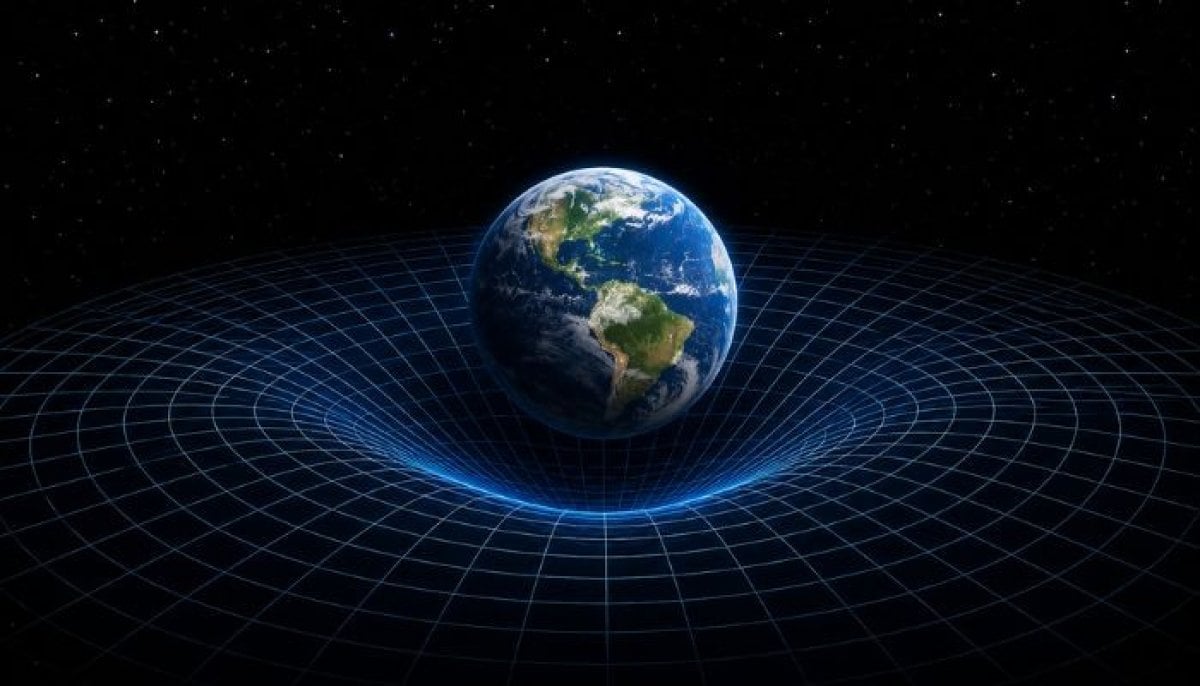
"It's really cool to see a small asteroid come by this close, because we can see the Earth's gravity dramatically bends its trajectory," said Paul Chodas, the director of the Center for Near-Earth Object Studies at NASA.
According to the JPL's calculations, the asteroid turned by about 45 degrees due to Earth's gravitational pull.


-
 SpaceX Starship Flight 14 reaches orbit after successful insertion burn
 -
 Asteroid Bennu: NASA samples reveal how it was born from fire and ice
 -
 Harvard scientists detect mysterious radio signal from planet outside our solar system
 -
 Scientists may have found a way to grow food on Mars
 -
 Why Earth’s 24-hour day isn’t quite as fixed as you think
 -
 Earth is splitting apart beneath the Pacific Northwest: Here’s why
 -
 Google's AI Satellite Prototype Launches on SpaceX October 1
 -
 Google plans first AI chip test in space under project Suncatcher