Google's AI Satellite Prototype Launches on SpaceX October 1
Project Suncatcher's first satellite will test Google's TPU chips against radiation and heat aboard SpaceX's Transporter-18 mission
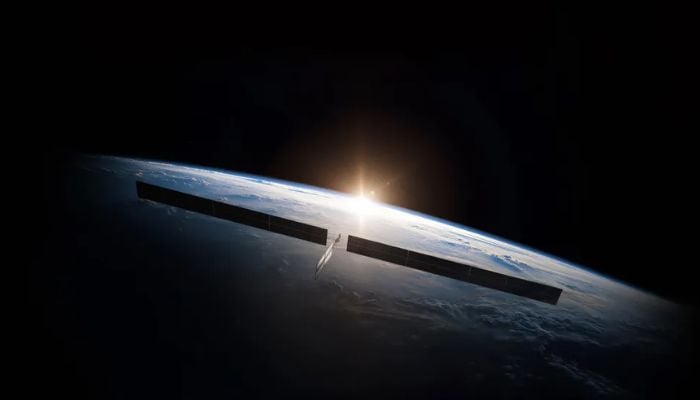
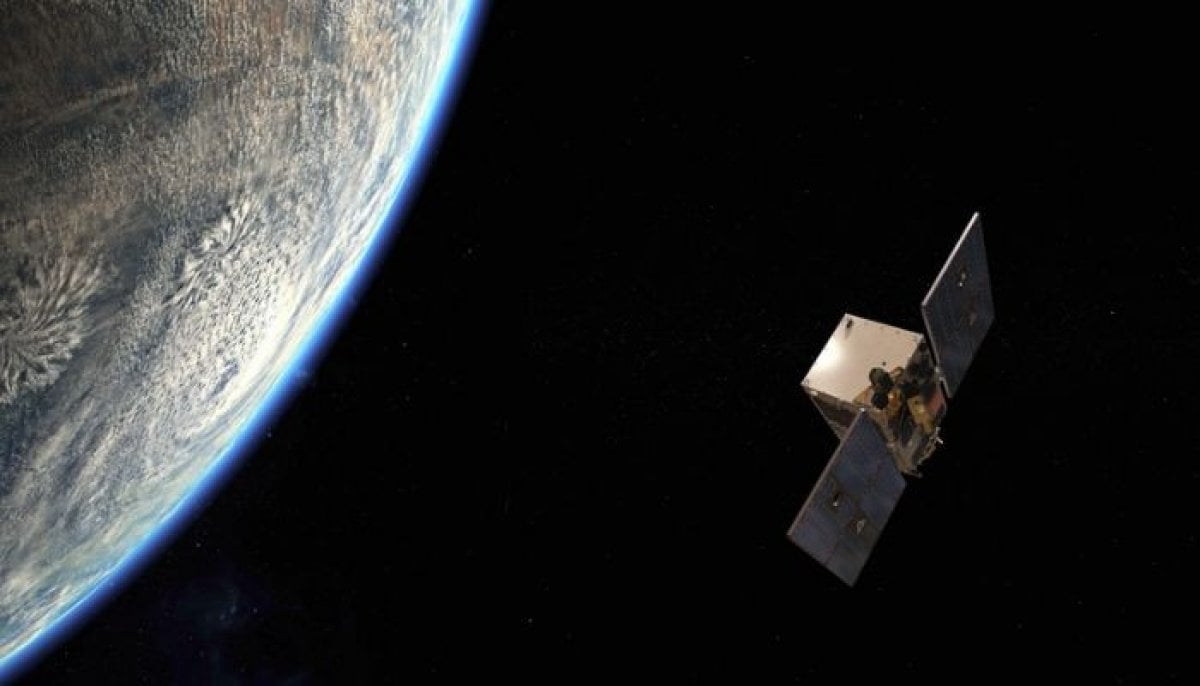
Google is about to find out whether its AI chips can survive in orbit. The company announced on September 24 that a prototype satellite for Project Suncatcher, its planned AI data centre constellation, will launch aboard SpaceX's Transporter-18 rideshare mission on October 1.
The satellite is carrying four Google Tensor Processing Units (TPUs), which are custom-designed chips that enable the artificial intelligence operations of the company.
The spacecraft was made by Planet, an earth imaging company in San Francisco, and will orbit for a period of one year.
Google has stated that they will monitor the endurance of the chips when exposed to space radiation as well as the cooling efficiency of the chips.
Before committing hardware to orbit, Google ran the TPUs through a thermal vacuum chamber designed to mimic both the temperature swings and vacuum conditions of space.
That ground testing phase is now giving way to real-world validation, with the upcoming launch serving as the first direct test of how the hardware performs outside a lab.
In addition to thermal efficiency, however, Project Suncatcher satellites would have to communicate with one another once in clusters of several dozen satellites. According to Google, the accuracy is equivalent to hitting a coin from miles away in movement.
Google is going to conduct a test of this laser-based communication in 2027 by launching two additional Planet-built satellites for that very purpose.


-
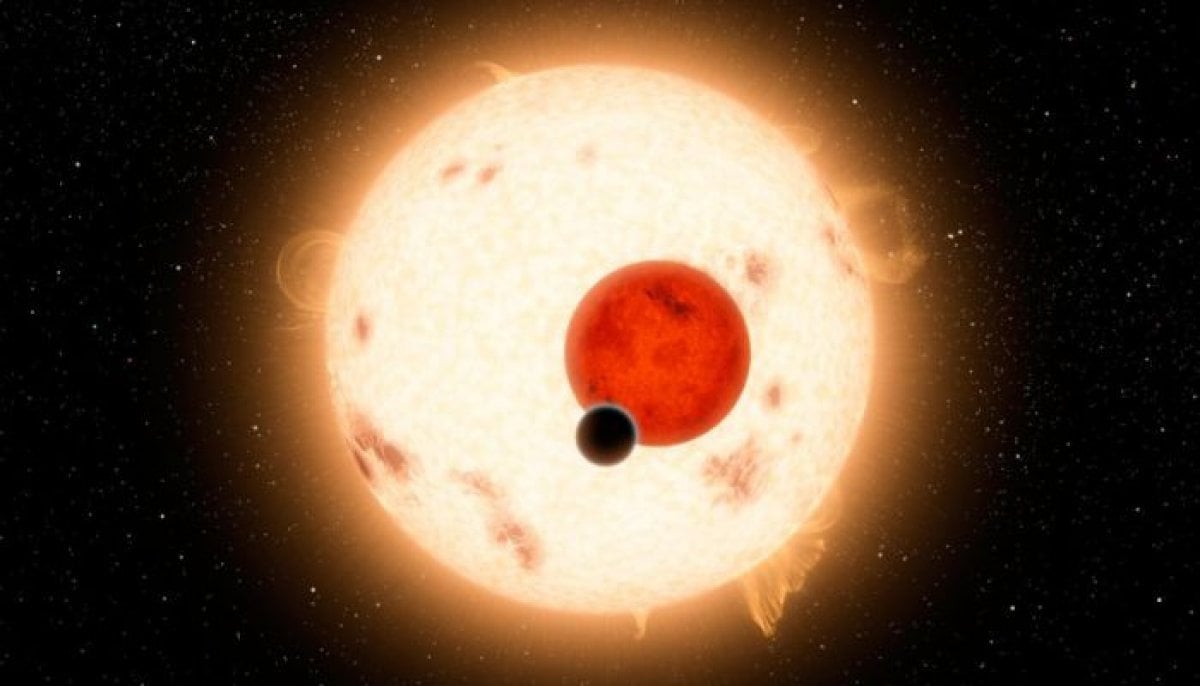 Chinese astronomers discover real-life three-body system unlike Liu Cixin’s fiction
-
 Hunter’s Moon 2026: When and how to watch October’s full moon
-
 Elon Musk’s Mars colonization dream faces reality check from Nobel laureate
-
 NASA competition model 2.0 cuts mission selection by 45%
-
 A ‘neglected’ neutrino may hold the key to why the Universe exists
-
 Can cancer drugs be made in space? Here’s what the new mission aims to find out
-
 SpaceX Falcon 9 successfully launches Bandwagon-5 mission with 32 payloads
-
 Europe launched 8 orbital rockets last year, can it rival Starlink?