Google plans first AI chip test in space under project Suncatcher
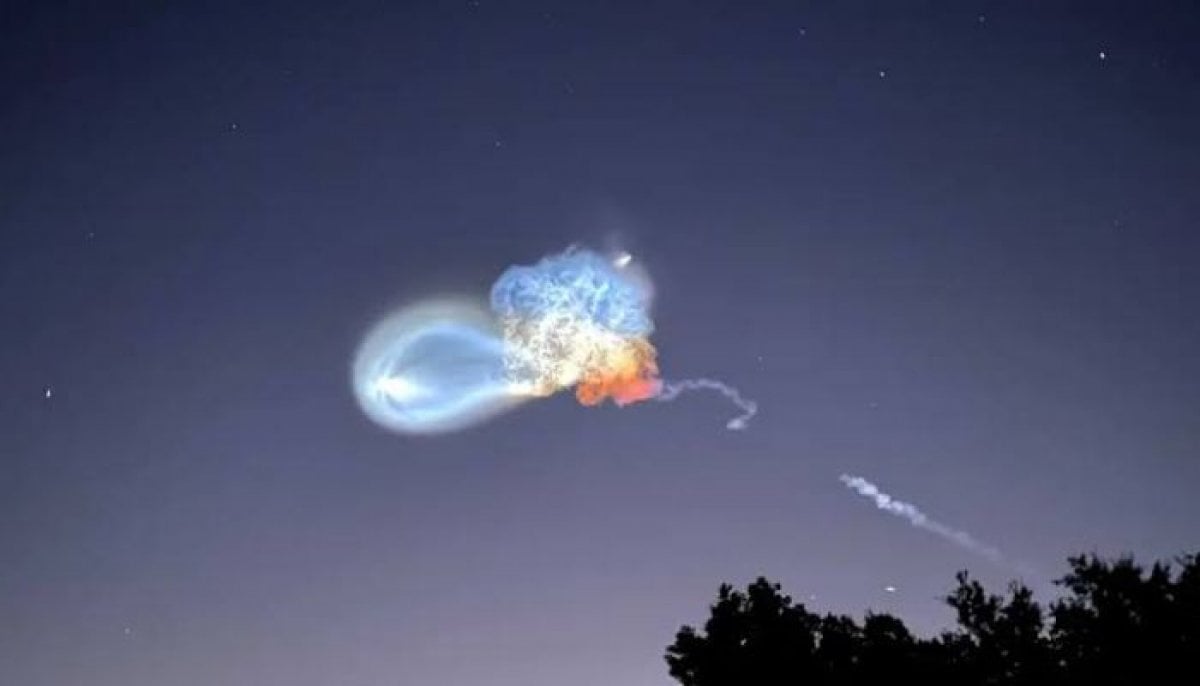
Google plans to launch its MVP experimental satellite on October 1
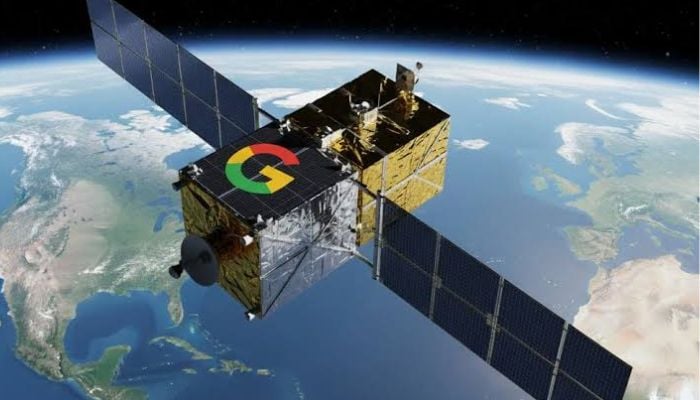
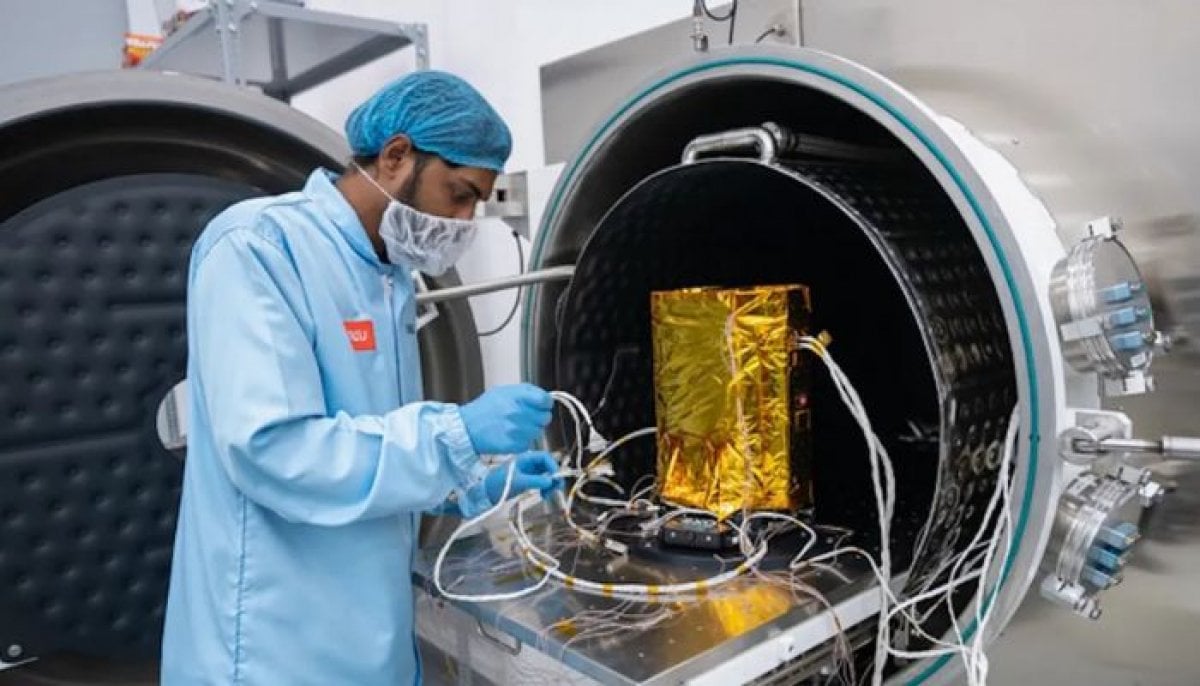
Google is reportedly preparing to test AI chips in space next week as part of the first in-orbit test of Project Suncatcher-a research effort to explore whether space could accommodate major AI computing infrastructure.
The primary motive behind this project is to explore whether satellites can leverage accelerated computing systems to process AI workloads beyond Earth.
SpaceX and Starcloud are developing data centers in low Earth orbit optimizing for persistent solar irradiance to power energy-intensive AI computing and bypass Earth-based power restrictions.
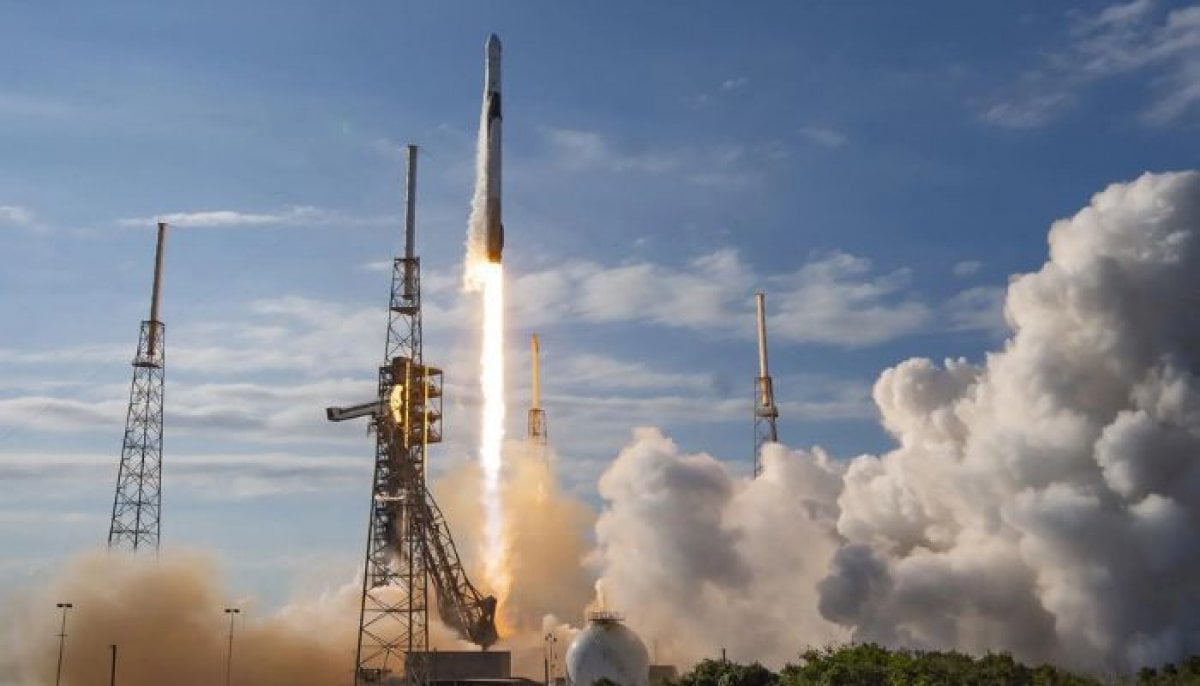
The new mission is set to fly on SpaceX’s upcoming Transporter-18 rideshare launch in partnership with satellite company Planet Labs will analyze how Google’s AI hardware is built to handle extreme temperatures in low Earth orbit.
Google said that orbital testing is needed to understand how the hardware performs in a real environment, and the company is assessing its thermal management architecture for high-power processors in the vacuum of space where conventional airflow cooling is impossible by combining heat pipes with radiators.
In this connection, the first Suncatcher mission is designed to gather in-orbit data and identify potential failure points rather than demonstrate an operational orbital data centre.
Furthermore, Google aims to launch two satellites in 2027 to test the advanced inner-satellite optical networks needed to link future space-based computing clusters.


-
 NASA’s next Mars mission targets Phobos and Deimos, not Red Planet
 -
 Is AI ready to rewrite our understanding of physics?
 -
 Astronomers identify possible first green star in 27 years of research
 -
 New study sounds alarm as Doomsday Glacier melts more aggressively than thought
 -
 Hubble data hints at planet born after its star died
 -
 NASA to brief public on Artemis III mission progress
 -
 ‘Time capsule beneath the sea’: World’s oldest shipwreck holds secrets from Great Pyramid era
 -
 NASA spots mysterious V-shaped scar stretching 700 light-years across space