Instagram ramps up effort to restraint COVID-19 disinformation
People who search for coronavirus-related information will see a message connecting them to resources from the WHO and local health ministries.

Instagram said Tuesday it was stepping up its efforts to promote credible content about coronavirus and curb the spread of misinformation on the image-centric social network.
The move by the Facebook-owned service with more than one billion users worldwide comes amid a scramble by social networks to deliver verified information and stamp out hoaxes.
"People who search for information related to the coronavirus or COVID-19 on Instagram will start to see an educational message connecting them to resources from the World Health Organisation and local health ministries," Instagram said in a blog post.
"We are working quickly to make this available globally over the coming weeks."
Instagram said it would also add "stickers" that signify verified coronavirus information and would remove content about health claims "unless posted by a credible health organisation."
The social network also said it would offer links to donations for nonprofit organizations and offer tips for social distancing.
The initiative follows similar efforts by Facebook on its core social platform as well as on its Messenger and WhatsApp services and by other platforms such as YouTube and Twitter.
More than two billion people use at least one of Facebook´s "family" of applications daily.


-
 Meet the ‘last titan’: Giant new dinosaur identified from fossils in Thailand
 -
 Can we finally find aliens? Scientists reveal a surprising new ‘organizational’ approach
 -
 Study reveals how to tell real alien life from chemical fakes
 -
 Scientists find hidden third ancestral group in Japanese genomes
 -
 SpaceX ‘Space Junk’ is on a collision course with the Moon, scientists say
 -
 Do you know what happened on May 10, 1967? NASA's M2-F2 disaster explained
 -
 Why the Southern Ocean is melting: Antarctica’s sea ice resilience reaches a breaking point
 -
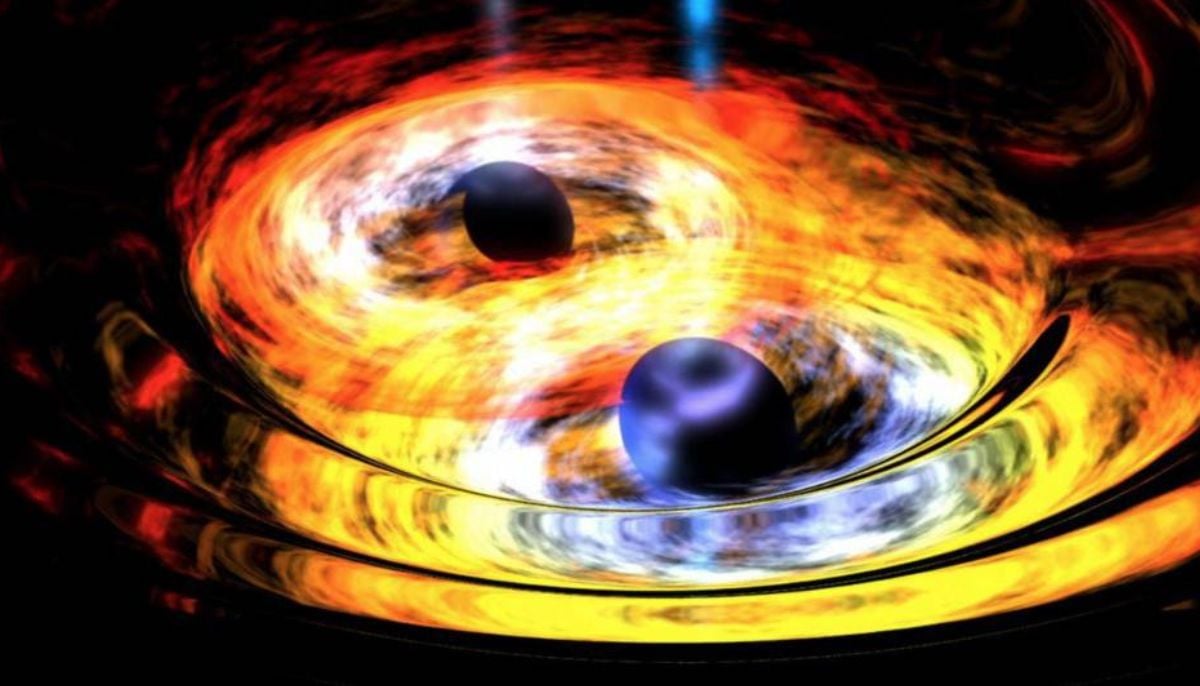 Giant black holes are cosmic ‘Frankensteins’ built by mergers, new study reveals