PM Imran Khan lauds contributions of German-born US professor John Goodenough
Imran Khan while sharing report from February 2017 of John Goodenough and his team who developed the first all-solid-state battery cells that could lead to safer, faster-charging, longer-lasting rechargeable batteries, said, “These are special people whose existence has a purpose beyond the self.”
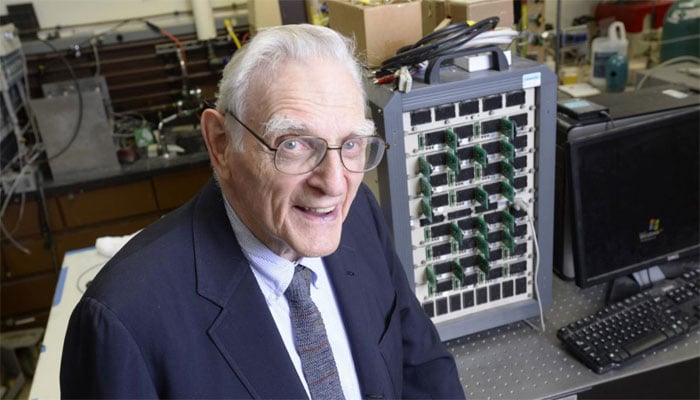
Islamabad: Prime Minister Imran Khan has lauded the services of John Bannister Goodenough, a German-born American professor and solid-state physicist.
Imran Khan while sharing report from February 2017 of John Goodenough and his team who developed the first all-solid-state battery cells that could lead to safer, faster-charging, longer-lasting rechargeable batteries, said, “These are special people whose existence has a purpose beyond the self.”
According to the report, a team of engineers led by 94-year-old John Goodenough, professor in the Cockrell School of Engineering at The University of Texas at Austin and co-inventor of the lithium-ion battery, had developed the first all-solid-state battery cells that could lead to safer, faster-charging, longer-lasting rechargeable batteries for handheld mobile devices, electric cars and stationary energy storage.
John Goodenough is widely credited for the identification and development of the Li-ion rechargeable battery as well as for developing the Goodenough–Kanamori rules for determining the sign of the magnetic superexchange in materials.
In 2014, he received the Charles Stark Draper Prize for his contributions to the lithium-ion battery, according to Wikipedia.


-
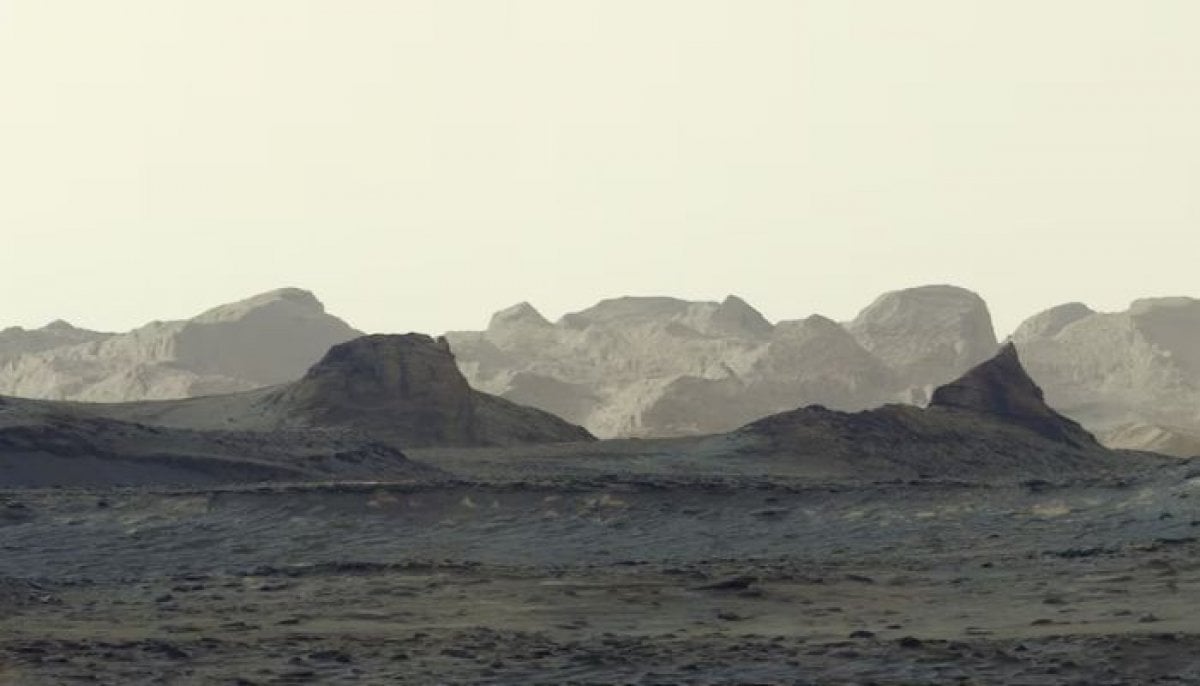 NASA Curiosity captures strange ‘wind-carved’ Mars landscape in dawn image
 -
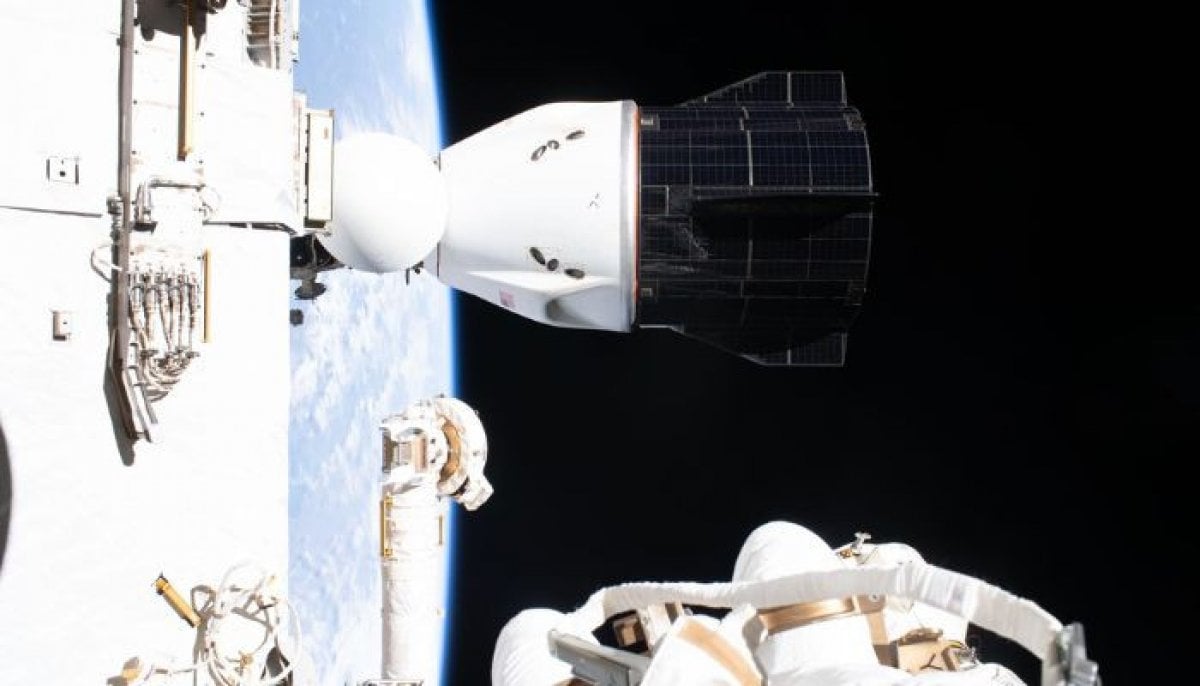 NASA's Crew-12 Dragon begins return trip from space station
 -
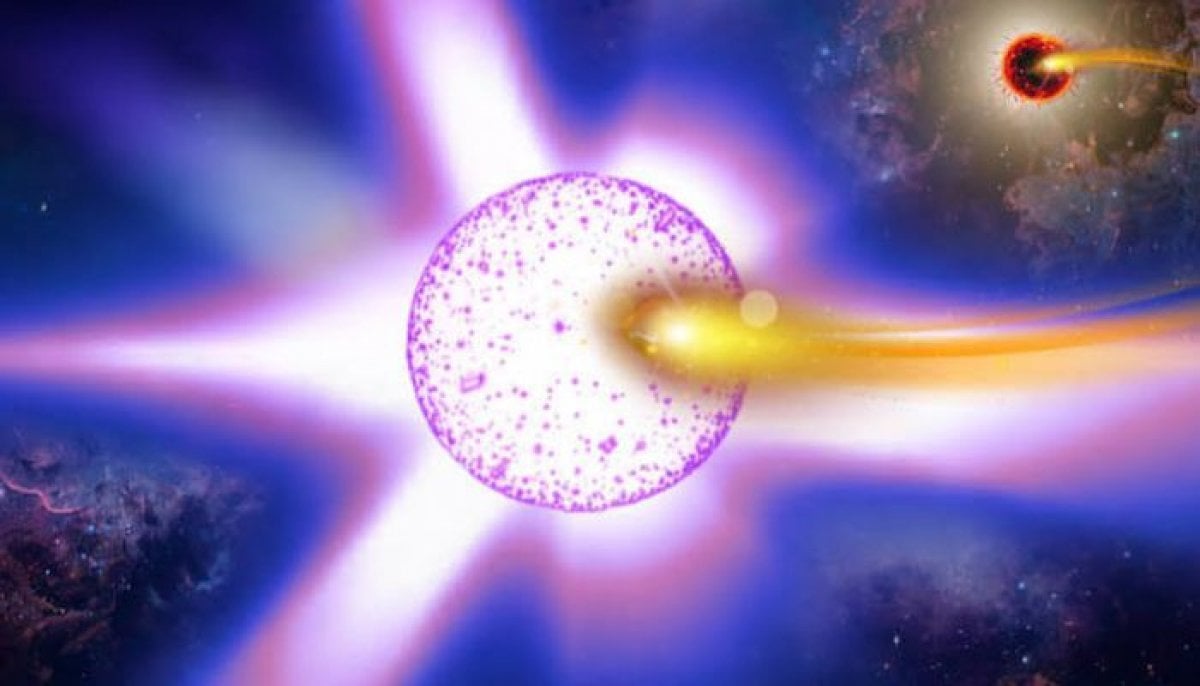 Mysterious ‘phoenix planet’ found around the remains of a dying star
 -
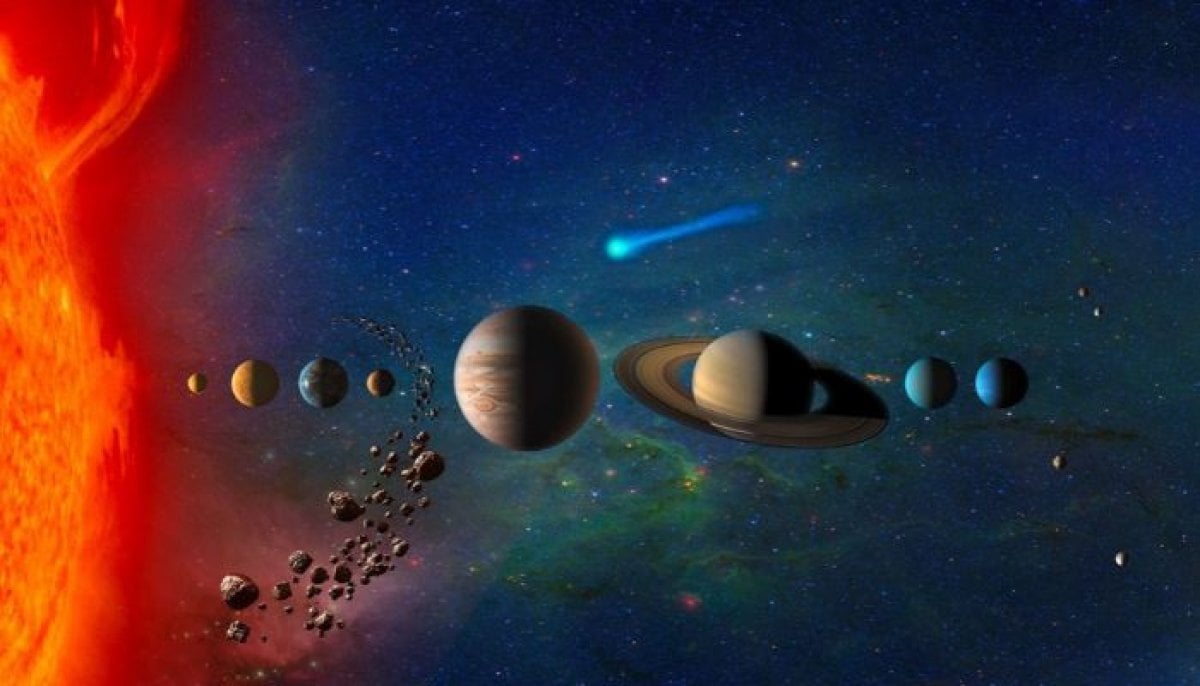 First possible evidence of Planet Nine found in infrared data
 -
 Elon Musk announces SpaceXAI rebrand to SpaceXSI following presidential order on 'Super Intelligence'
 -
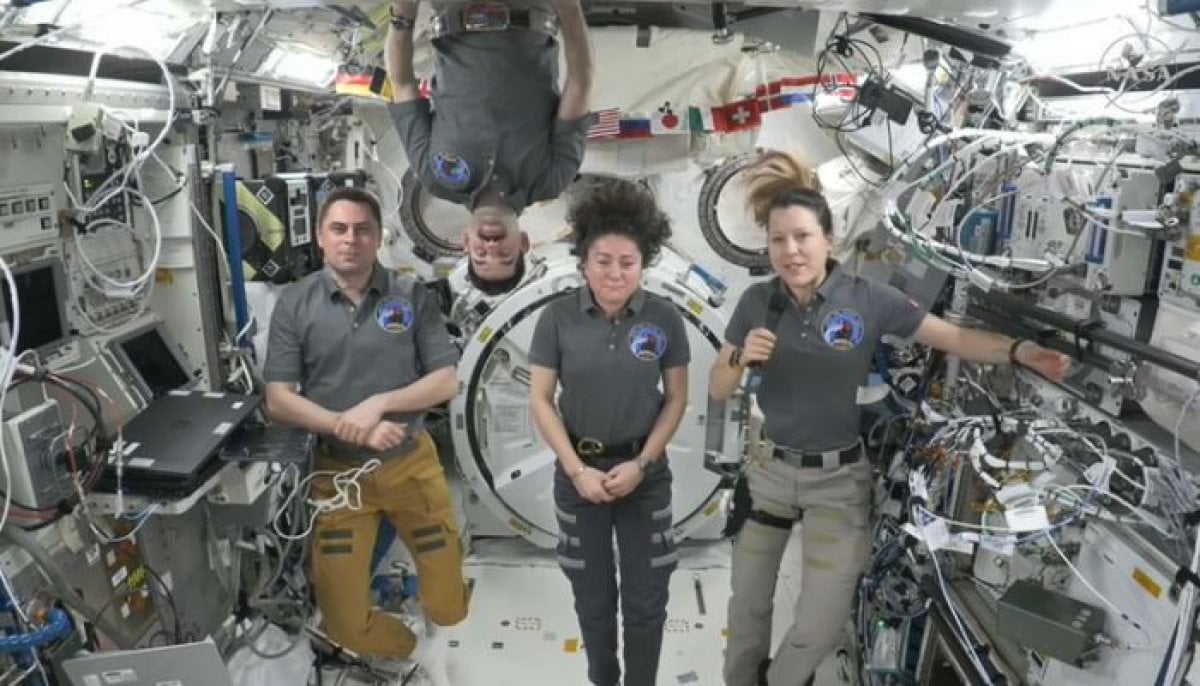 ISS Command changes hands in emotional ceremony
 -
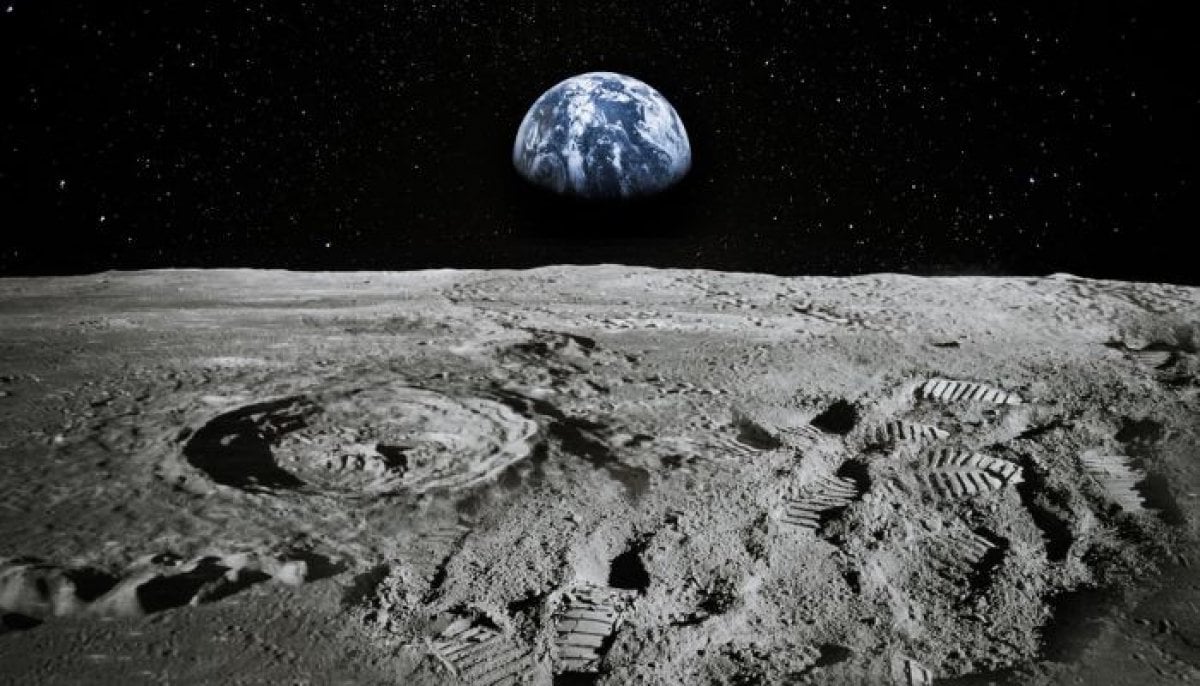 Moon water acts nothing like it does on Earth, study finds
 -
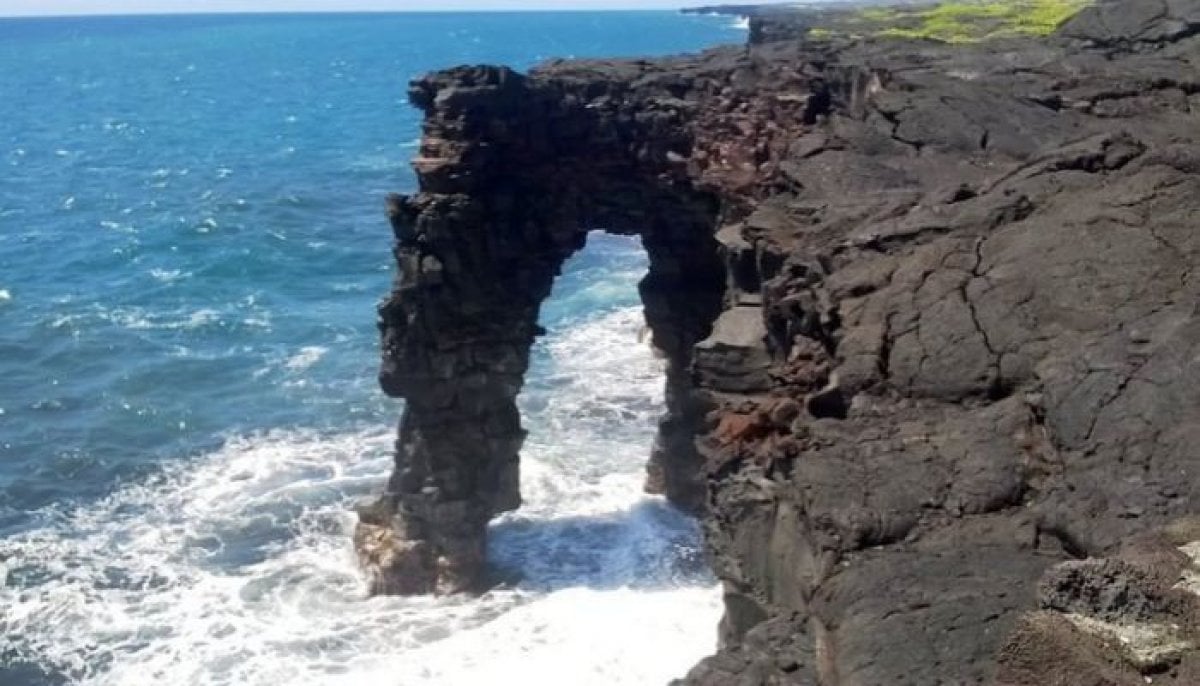 Hawaii’s Hōlei sea arch collapses after centuries on Big Island: What happened