
Facebook hires British ex-deputy PM as global affairs head
British former deputy prime minister Nick Clegg, a leading anti-Brexit advocate, said on Friday he would be starting a job at Facebook, as the US giant faces up to regulatory pressures.
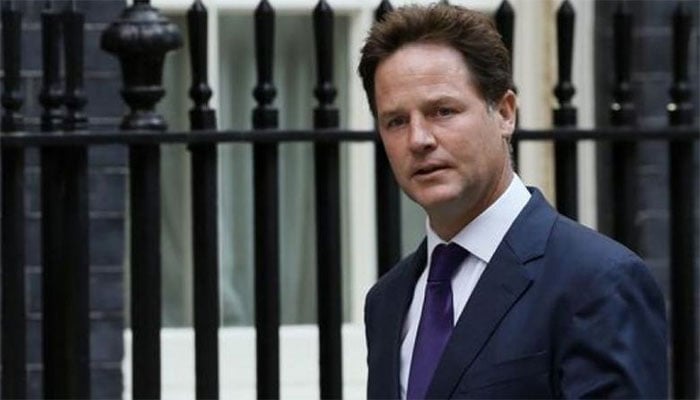
London: British former deputy prime minister Nick Clegg, a leading anti-Brexit advocate, said on Friday he would be starting a job at Facebook, as the US giant faces up to regulatory pressures.
"I am delighted to be joining Facebook. After almost 20 years in European and British politics, this is an exciting new adventure for me," Clegg wrote on his Facebook page.
Clegg said Facebook was "at the heart of some of the most complex and difficult questions we face" such as "privacy of the individual", "integrity of our democratic process", and "the balance between free speech and prohibited content".
"I believe that Facebook must continue to play a role in finding answers to those questions -- not by acting alone in Silicon Valley, but by working with people, organisations, governments and regulators around the world to ensure that technology is a force for good.
"I am looking forward to being part of this endeavour," he said.
The Press Association news agency and the Financial Times said Clegg would be Facebook´s new head of global affairs and communications and would move to California in January.
The 51-year-old is also a former European Commission trade negotiator and member of the European Parliament.




-
 Ohio daycare worker 'stole $150k in payroll scam', nearly bankrupting nursery
 -
 Michelle Yeoh gets honest about 'struggle' of Asian representation in Hollywood
 -
 US, China held anti-narcotics, intelligence meeting: State media reports
 -
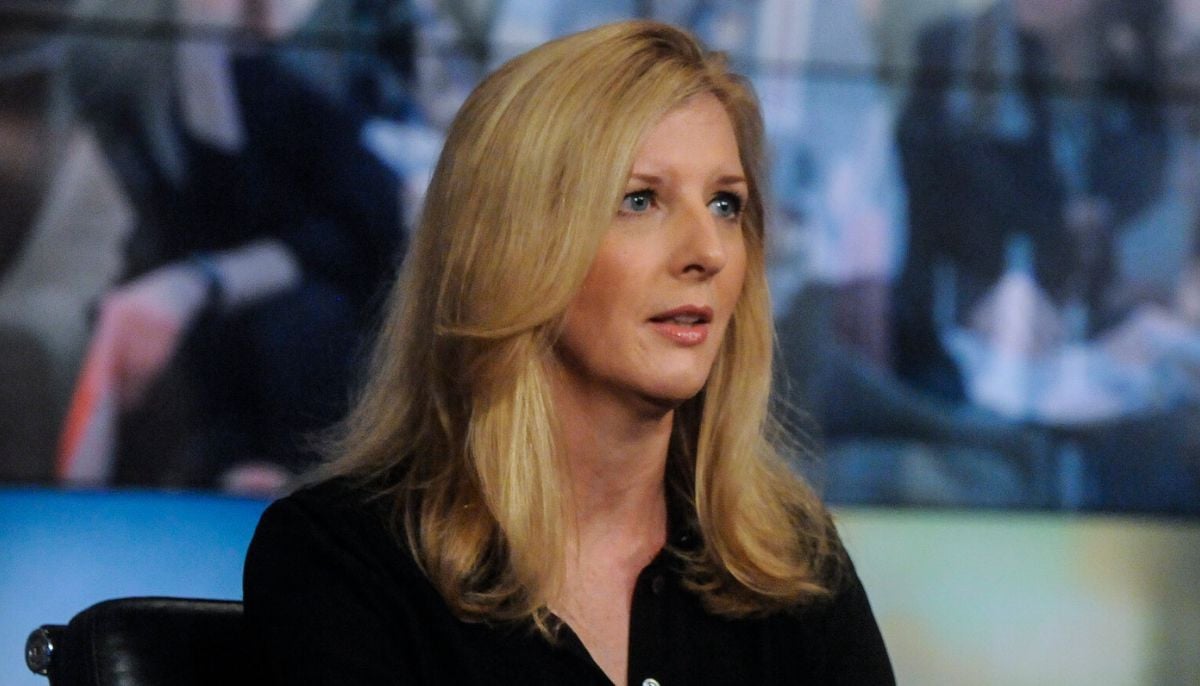 Goldman Sachs’ top lawyer resigns over Epstein connections
 -
 Manhunt continues for suspect who killed 2 at South Carolina State University
 -
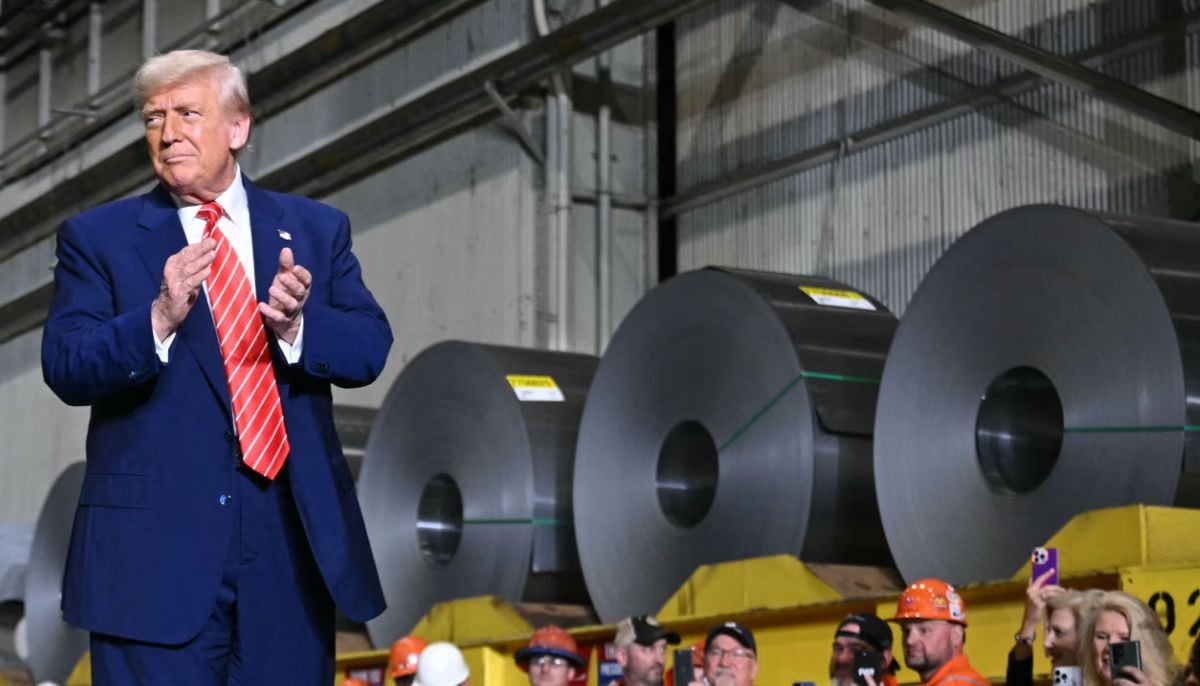 Trump considers scaling back trade levies on steel, aluminium in response to rising costs
 -
 Trump revokes legal basis for US climate regulation, curb vehicle emission standards
 -
 DOJ blocks Trump administration from cutting $600M in public health funds