WASHINGTON: A SpaceX reusable cargo ship splashed down in the Pacific Ocean safely on Sunday, ending a mission to supply astronauts on the International Space Station, the company said.
The Dragon capsule -- the only such vessel capable of returning research samples and other material to Earth -- remained docked with the ISS for nearly a month after delivering more than two tonnes of food, water and scientific equipment for NASA on February 23.
Before its departure, the crew loaded the cargo ship with old equipment, waste and almost 4,000 pounds of research samples from experiments carried out in the station´s condition of microgravity.
Released by the ISS´s robot arm at 0900 GMT, the capsule undertook a more than six-hour journey back to Earth, landing off the coast of Mexico just before 1600 GMT, its final descent slowed by three giant parachutes.
"Today we said goodbye to the #Dragon!" tweeted the French astronaut Thomas Pesquet, one of six crew members, who arrived on the ISS in November.
"She is taking part of us back to the ground with her - important scientific samples, some from the crew!"


-
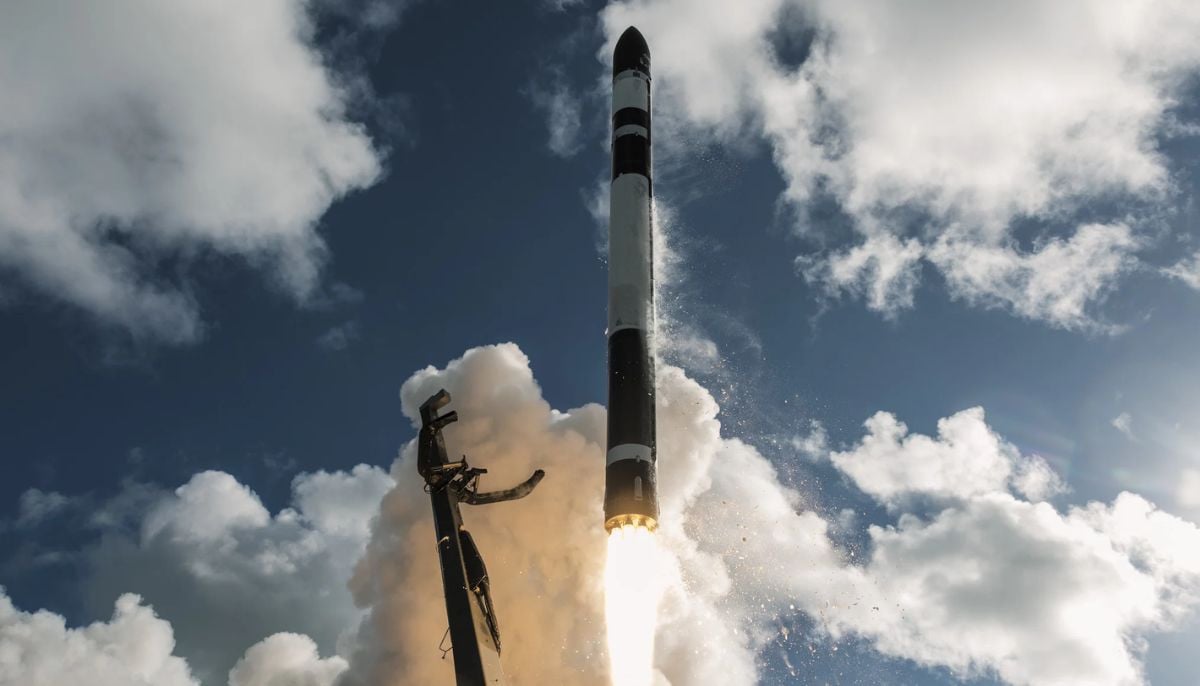 SpaceX ‘Space Junk’ is on a collision course with the Moon, scientists say
 -
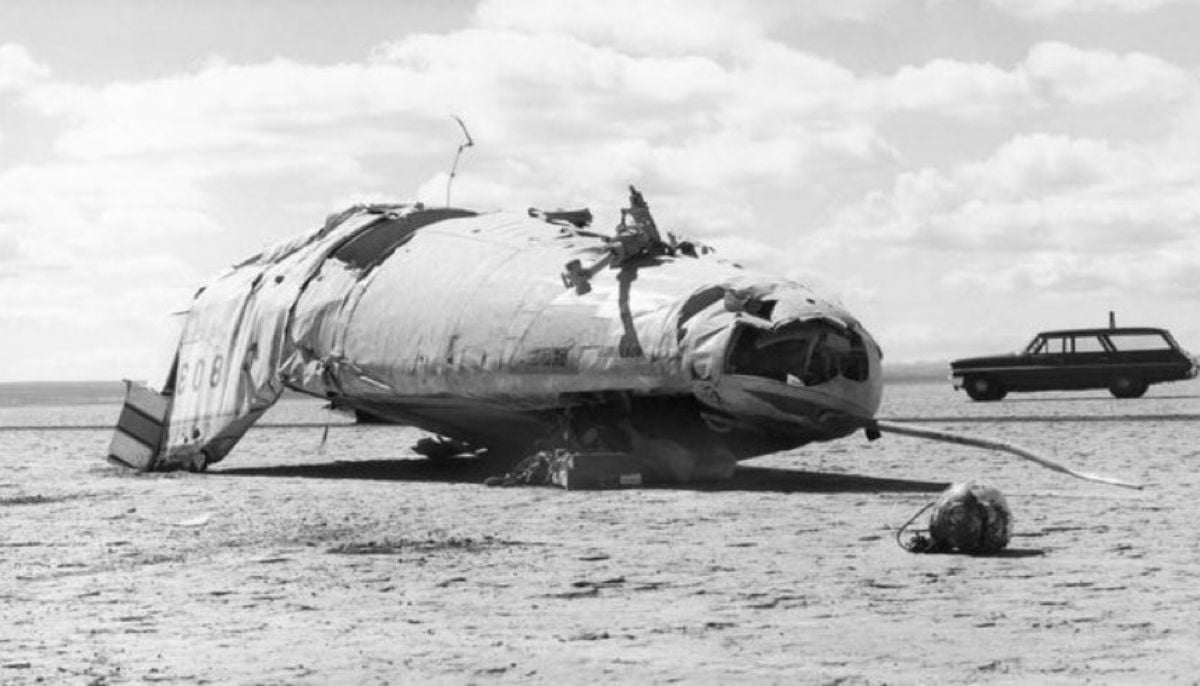 Do you know what happened on May 10, 1967? NASA's M2-F2 disaster explained
 -
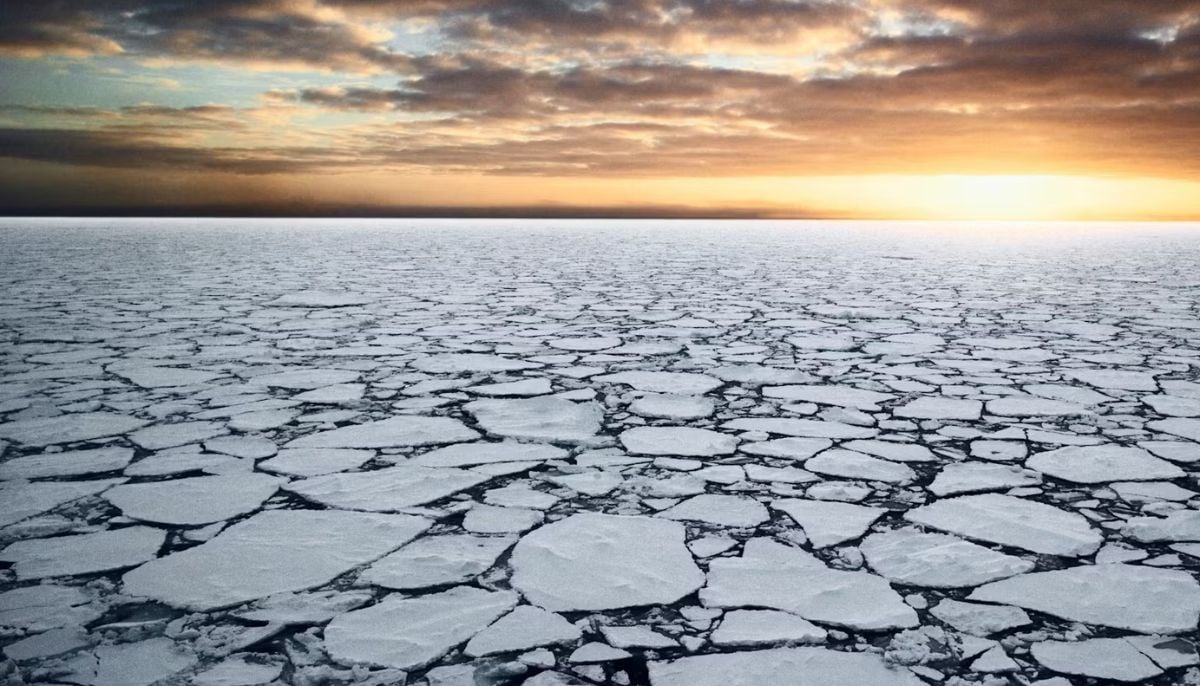 Why the Southern Ocean is melting: Antarctica’s sea ice resilience reaches a breaking point
 -
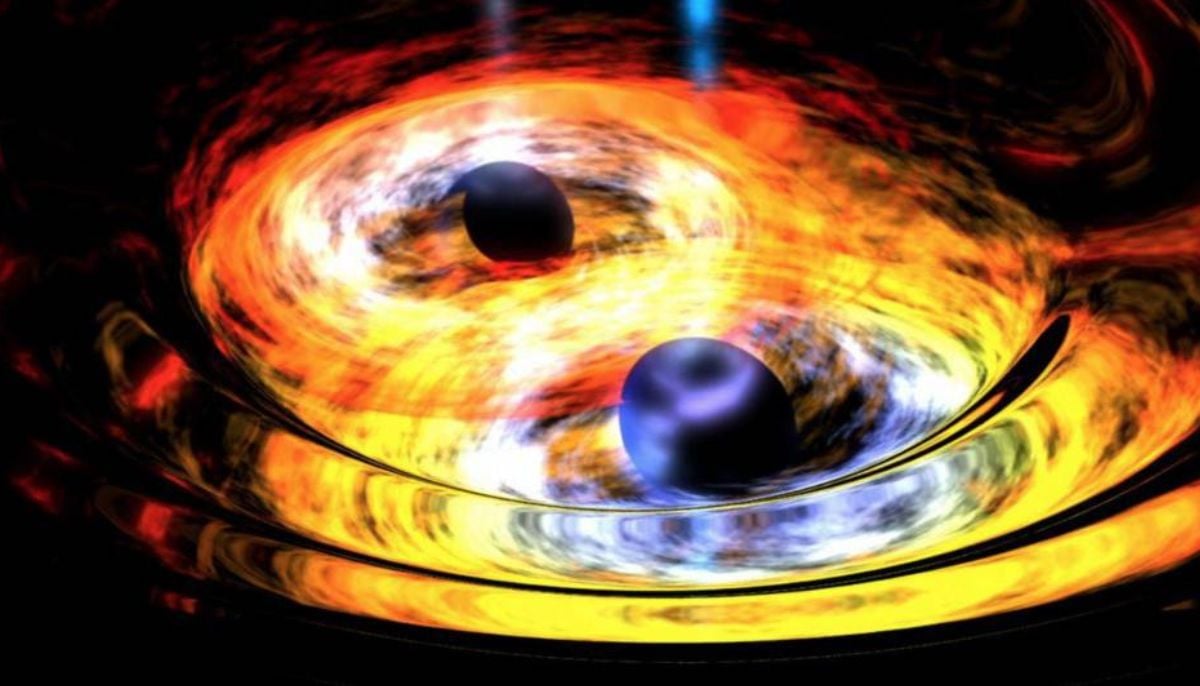 Giant black holes are cosmic ‘Frankensteins’ built by mergers, new study reveals
 -
 NASA’s Artemis 2 moon launch becomes the largest event in Space Coast history
 -
 Is success written in your DNA? New study reignites nature vs nurture debate
 -
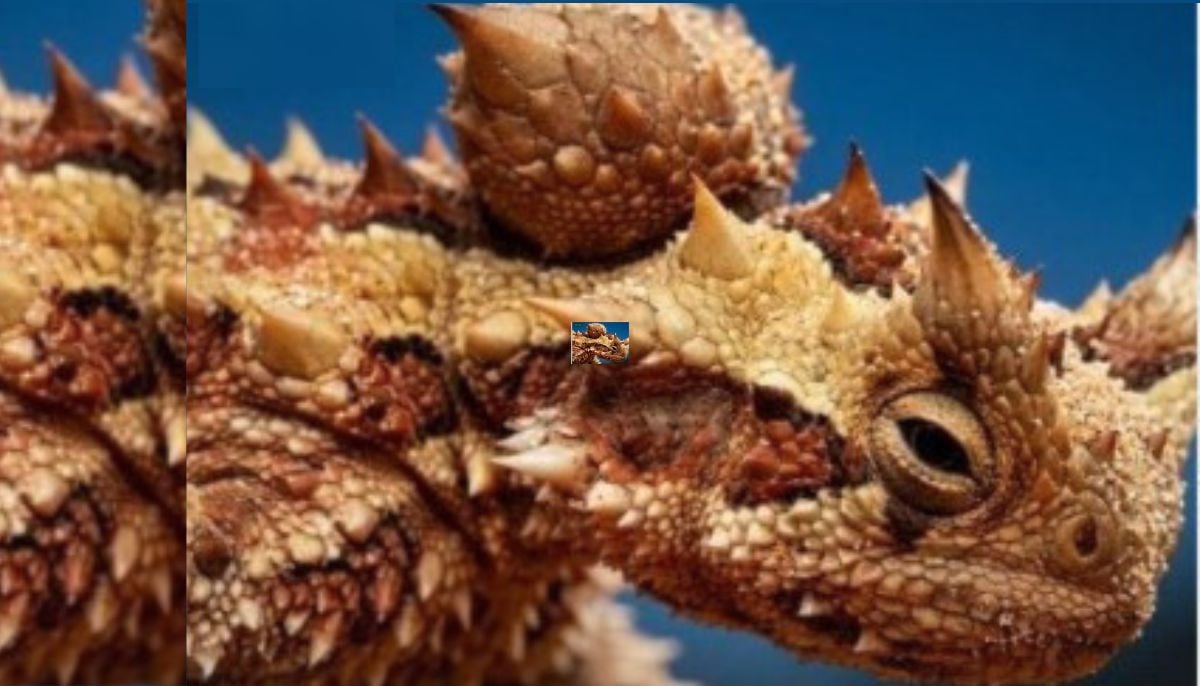 Researchers found 240-million-year-old giant mysterious 'sand creeper'
 -
 New solar-powered process turns plastic waste into clean hydrogen
-
 Giant squid detected off Western Australia coast as deep-sea study reveals hidden species
 -
Astronomers discover unexpected atmosphere beyond Pluto on tiny solar system object
-
‘Evolution is not always random’: Study finds same gene reused for 120 million years
-
Real-life Tatooine moment: Astronomers discover 27 ‘Star Wars’ like planets orbiting two suns