Antarctic ice floe crack forces UK scientists to leave
The British Antarctic Society is recalling scientists from its Halley VI polar research base in March after a fissure developed in the ice sheet.
The decision was taken after a huge crack appeared in the Brunt Ice Shelf, just 10 miles away from the Halley VI research station.
"We want to do the right thing for our people,” said Captain Tim Stocking, Director of Operations at the British Antarctic Society (BAS).
"Bringing them home for winter is a prudent precaution given the changes that our glaciologists have seen in the ice shelf in recent months."
There are currently 88 scientists stationed at the Halley VI research centre, which monitors climate data and played a key role in discovering the ozone hole in 1986.
The station is currently undergoing a process of relocation, after a fissure - once thought to be dormant – began encroaching on the base in 2012, advancing a mile every year.
But the new site is faced with another huge chasm, which developed in October 2016.
Scientists from the center have been monitoring the chasm’s development but cannot be sure whether a large iceberg will "calve,’ splitting away from the main ice shelf.
According to the BAS, the risk of this happening is low and the decision to pull scientists form the research station was made as a precautionary measure.
If the ice fractured during summer months, an evacuation could be swiftly mounted. But the forthcoming Antarctic winter complicates things, bringing 24-hour darkness and frozen seas, making evacuation an extremely complex process.
Scientists will return to their duties at the research center once winter has passed.


-
 Asteroid 2026 JH2 to pass extremely close to Earth on May 18: Should we be concerned?
 -
 Meet the ‘last titan’: Giant new dinosaur identified from fossils in Thailand
 -
 Can we finally find aliens? Scientists reveal a surprising new ‘organizational’ approach
 -
 Study reveals how to tell real alien life from chemical fakes
 -
 Scientists find hidden third ancestral group in Japanese genomes
 -
 SpaceX ‘Space Junk’ is on a collision course with the Moon, scientists say
 -
 Do you know what happened on May 10, 1967? NASA's M2-F2 disaster explained
 -
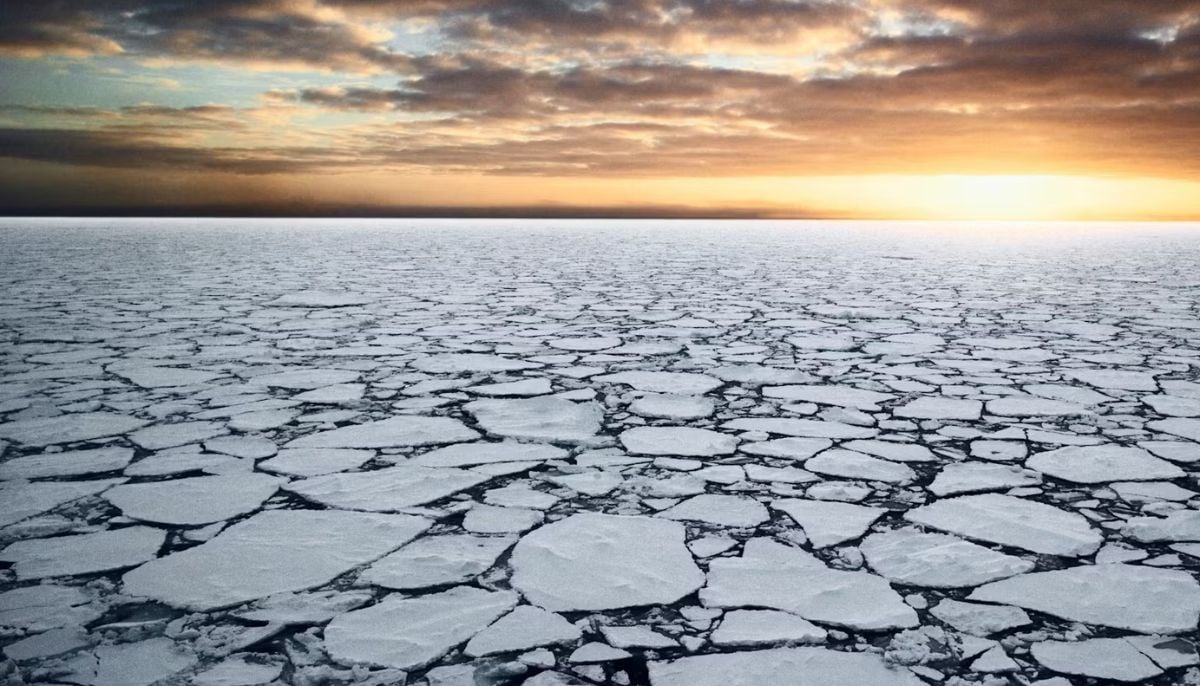 Why the Southern Ocean is melting: Antarctica’s sea ice resilience reaches a breaking point
-
 Giant black holes are cosmic ‘Frankensteins’ built by mergers, new study reveals
 -
NASA’s Artemis 2 moon launch becomes the largest event in Space Coast history
-
Is success written in your DNA? New study reignites nature vs nurture debate
-
Researchers found 240-million-year-old giant mysterious 'sand creeper'