Coral reefs facing 'irreversible decline' as global recovery windows collapse, study warns
Drawing on more than 21 million observations from roughly 37,000 reef sites across 120 countries, the report shows global hard coral cover dropped 9.5% below historical averages
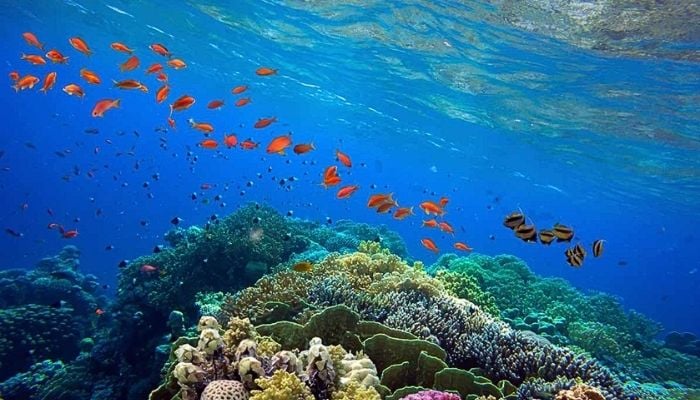
A landmark global assessment released by the Global Coral Reef Monitoring Network (GCRMN) reveals that the world's coral reefs are locked in a dangerous "staircase of decline," facing widespread and potentially irreversible structural transformation due to intensifying marine heatwaves.
Historically, major bleaching disturbances occurred about once a decade. Driven by climate change, that recovery gap has collapsed to an average of just 5 to 6 years, short-circuiting the timeline many corals need to mature and reproduce.
Drawing on more than 21 million observations from roughly 37,000 reef sites across 120 countries, the report shows global hard coral cover dropped 9.5% below historical averages (falling from a 30.2% baseline in 1980–2009 down to 27.3% between 2020–2024).
As per UNSW Sydney, the recurrent global bleaching events including the profound impacts of recent marine heatwaves, have continuously wiped-out recovery gains made between events, shifting ecosystems toward algal dominance.
While coral reefs cover less than 0.2% of the ocean floor, they support at least 25% of all marine species and underpin the food security, coastal protection, and livelihoods of hundreds of millions of people globally.
UNSW further suggests scientists emphasize that while corals retain intrinsic biological resilience, delayed global emission cuts combined with local pressures like water pollution risk pushing these critical ecosystems past a permanent tipping point.


-
 New study sounds alarm as Doomsday Glacier melts more aggressively than thought
 -
 Hubble data hints at planet born after its star died
 -
 NASA to brief public on Artemis III mission progress
 -
 ‘Time capsule beneath the sea’: World’s oldest shipwreck holds secrets from Great Pyramid era
 -
 NASA spots mysterious V-shaped scar stretching 700 light-years across space
 -
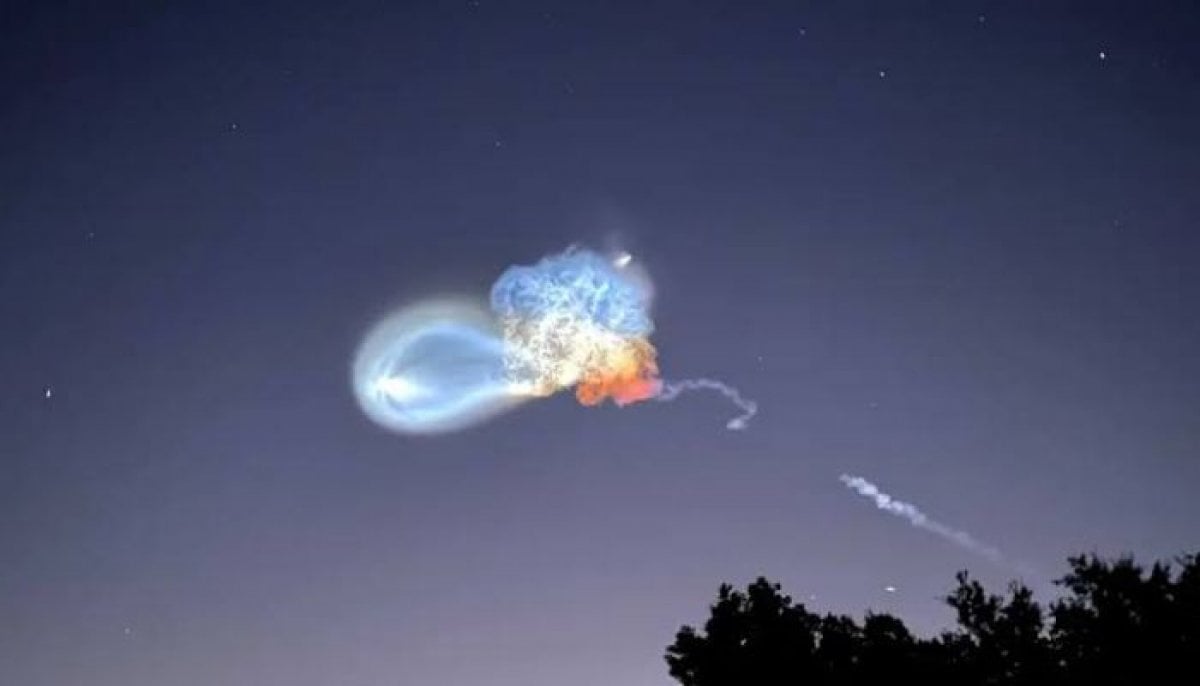 Space Jellyfish over Florida: What is that glowing cloud?
 -
 SpaceX Falcon 9 launches Dragon with 6,300 pounds of supplies to ISS
 -
 How far can a rover go? NASA’s Perseverance breaks Mars driving record