Strawberry Moon peaks June 29: When and where to watch
Strawberry Moon will peak on June 29 at 7:57pm ET, marking summer's first full moon
_updates.jpg)
June's full moon earns a deceptive nickname. The Strawberry Moon will peak on June 29 at 7:57pm ET, marking summer's first full moon, occurring after the June 21 summer solstice. Though it sounds fruity, you can be sure that it won’t appear as a deep red ball in the sky.
Its name’s origin lies with Native American Algonquian tribes of the Northeast and the Ojibwe, Dakota, and Lakota nations, who coined it due to the ripening of strawberries and their readiness for harvesting during the latter half of June.
This Strawberry Moon had several other names too, which included “Berries Ripe Moon", “Blooming Moon", “Green Corn Moon", “Hoer Moon", and “Birth Moon".
Where to watch Strawberry Moon?
The best place can be any location with an unobstructed view of the sky. Backyards, parks, open grounds, and even beaches make up good places to watch. Although the cities with light pollution will also allow you to see the moon, the best option will be in rural or wilderness areas.
Make sure that there are no clouds in your region by checking the weather report in advance.
How to watch Strawberry Moon?
Even if it is summer, dress warm because the nights in June are quite cold. Take an insect spray for repelling mosquitoes that fly at dusk and during the early night hours. Use binoculars or a telescope to have a closer look at the craters on the moon, but still, the naked eye is the best for watching the whole beauty of the moon.


-
 Can cancer drugs be made in space? Here’s what the new mission aims to find out
 -
 SpaceX Falcon 9 successfully launches Bandwagon-5 mission with 32 payloads
 -
 Europe launched 8 orbital rockets last year, can it rival Starlink?
 -
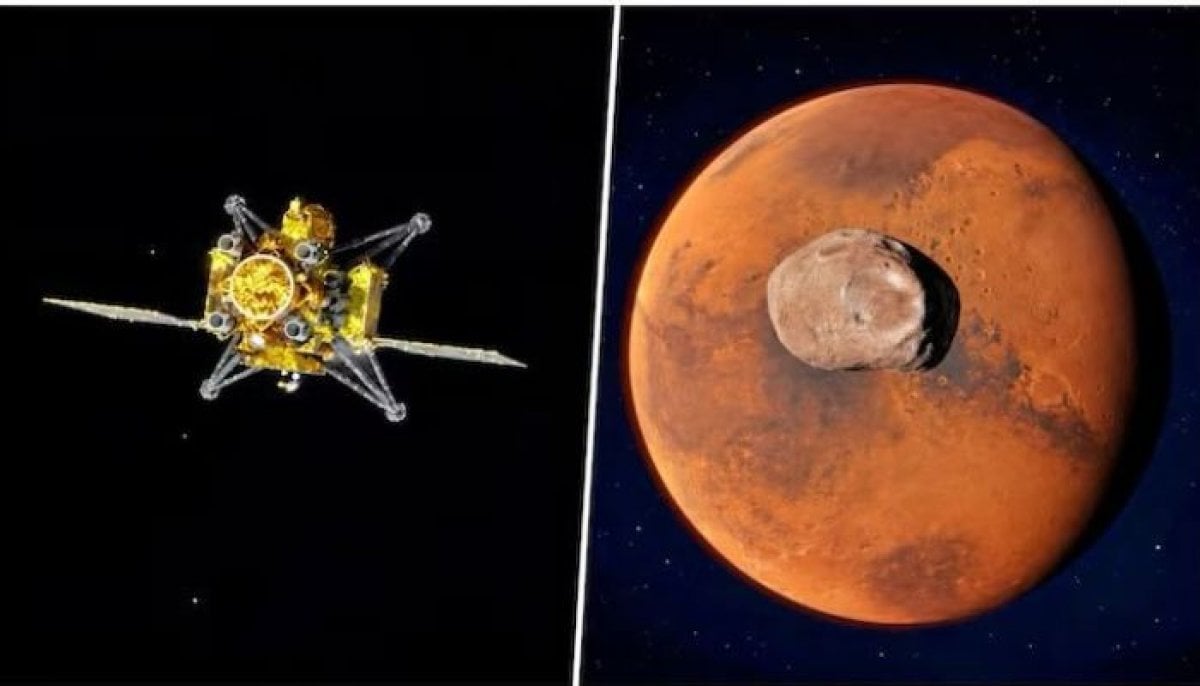 Japan launches world’s first mission to bring sample back from phobos
 -
 Orionid meteor shower 2026: Peak date, viewing tips and what to expect
 -
 Why Mars looks blue in NASA’s unedited curiosity panorama?
 -
 Blue Origin upgrades new Glenn rocket launch infrastructure to take on SpaceX
 -
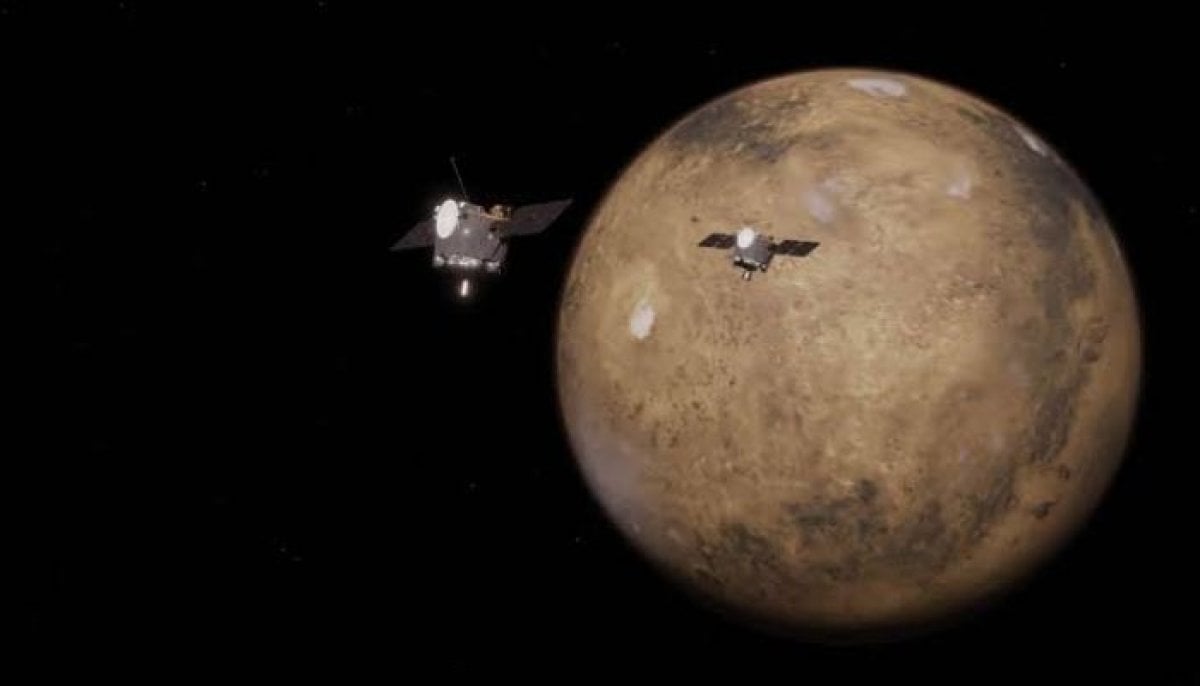 NASA’s next Mars mission targets Phobos and Deimos, not Red Planet