Trump urges Netanyahu not to retaliate after Iran strikes Israel
Trump personally contacted Netanyahu and said the United States was “very close” to reaching an agreement with Iran

US President Donald Trump has reportedly urged Israeli Prime Minister Benjamin Netanyahu not to respond militarily to Iran’s latest missile strikes, saying a retaliatory attack could jeopardise ongoing negotiations between Washington and Tehran.
According to Axios, Trump personally contacted Netanyahu following the strikes and said the United States was “very close” to reaching an agreement with Iran that could permanently end the conflict.
Trump reportedly told Axios he did not want the diplomatic process to “blow up” because of the latest exchange between Iran and Israel.
“The Iranian strikes didn’t hurt anybody. Hopefully, Israel is not going to retaliate. If Bibi strikes them back, it’s just gonna keep going like the last 47 years, or the last 3,000 years,” Trump said.
The comments come amid growing tensions over how Israel should respond to Iran’s attacks, while the US continues efforts to secure a broader peace agreement.
Trump has recently signalled frustration with Netanyahu over Israeli military actions in the region, particularly as Washington attempts to move negotiations forward.
Iran’s missile strikes on Sunday night intensified fears of wider regional escalation, though there were no immediate reports of major casualties.


-
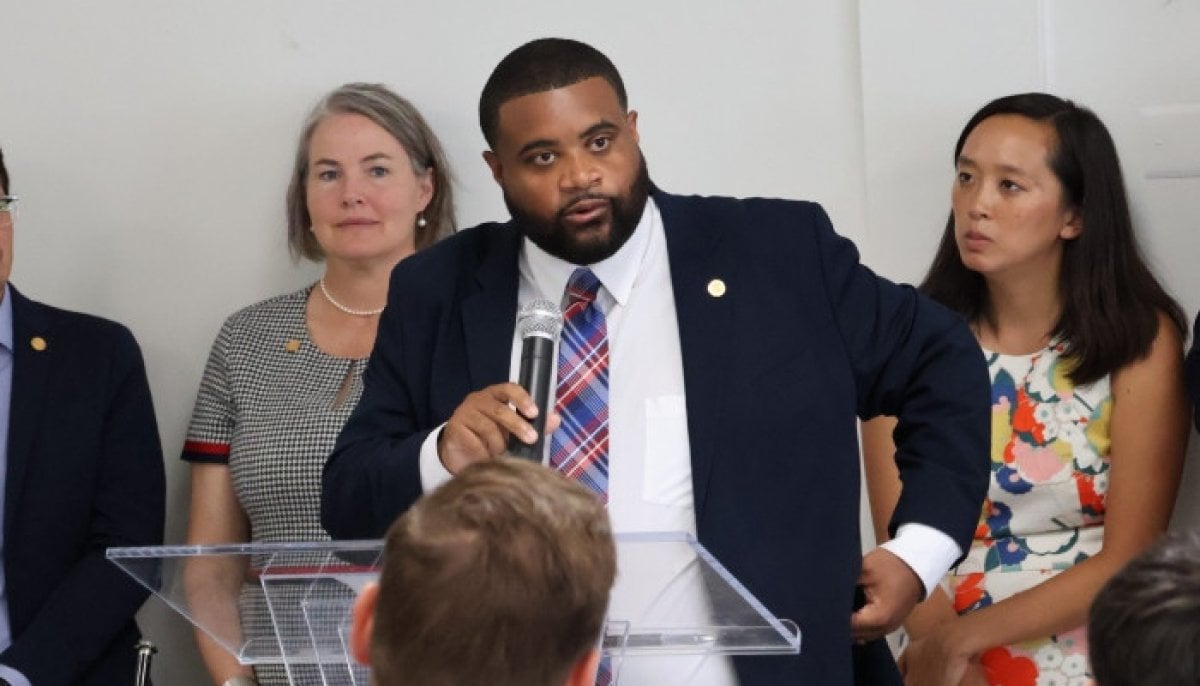 Progressive Democrats endorse Donavan McKinney against Shri Thanedar
 -
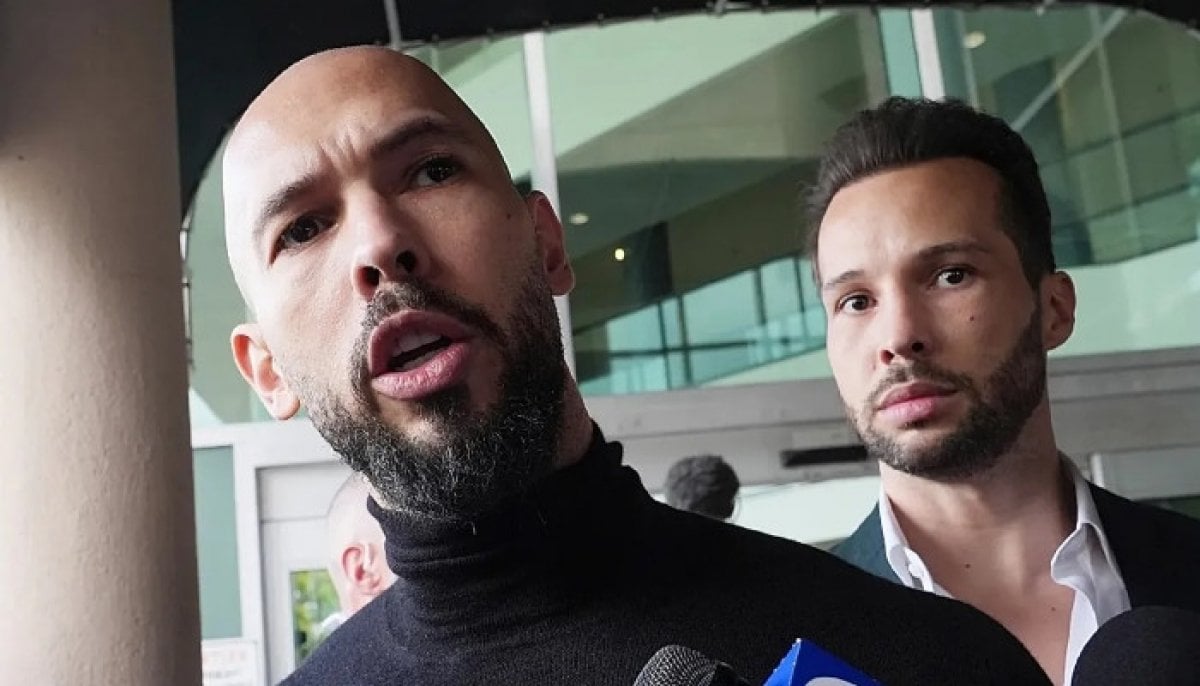 Andrew and Tristan Tate to remain in jail as UK extradition case continues
 -
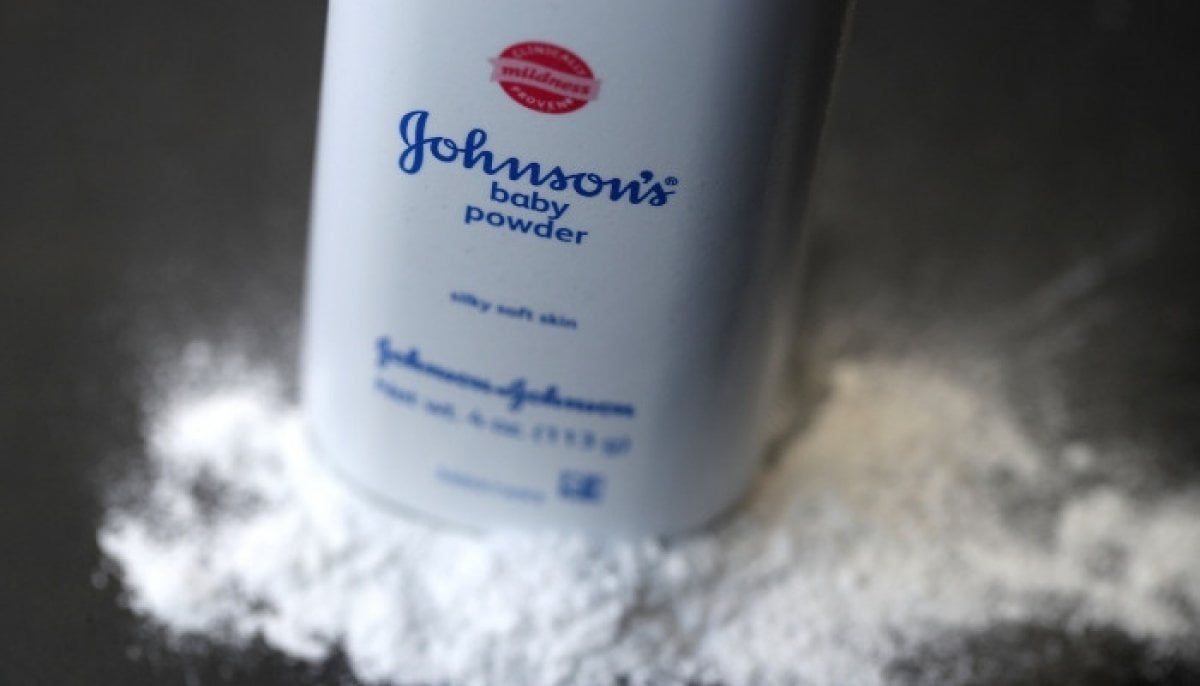 Johnson & Johnson seeks to end baby powder cancer lawsuits with $5.5bn deal
 -
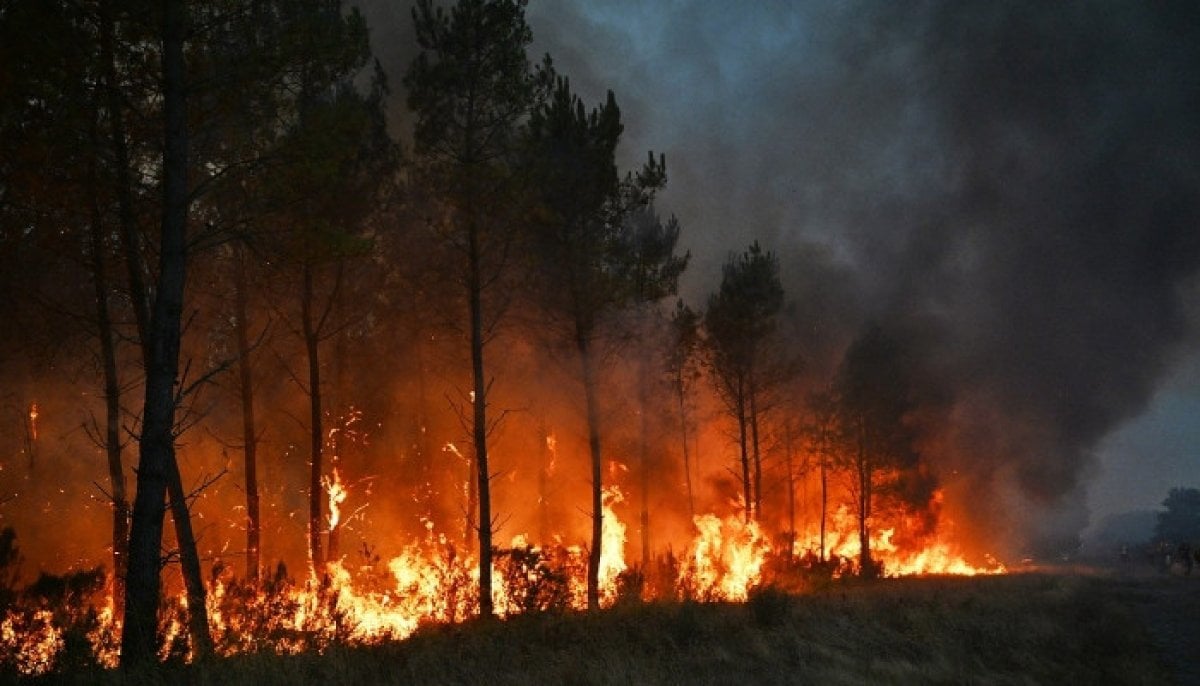 France wildfire reaches outskirts of Bordeaux as thousands evacuated amid heatwave fears
-
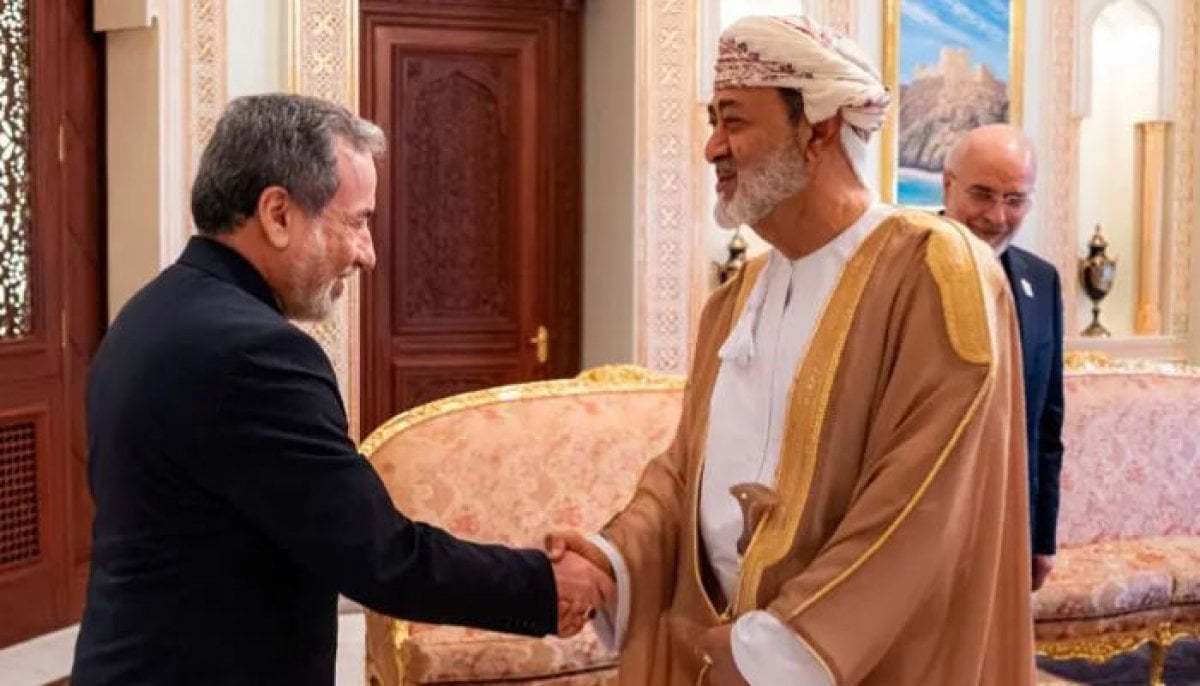 Who will control Strait of Hormuz? Oman proposes regional mechanism to Iran
 -
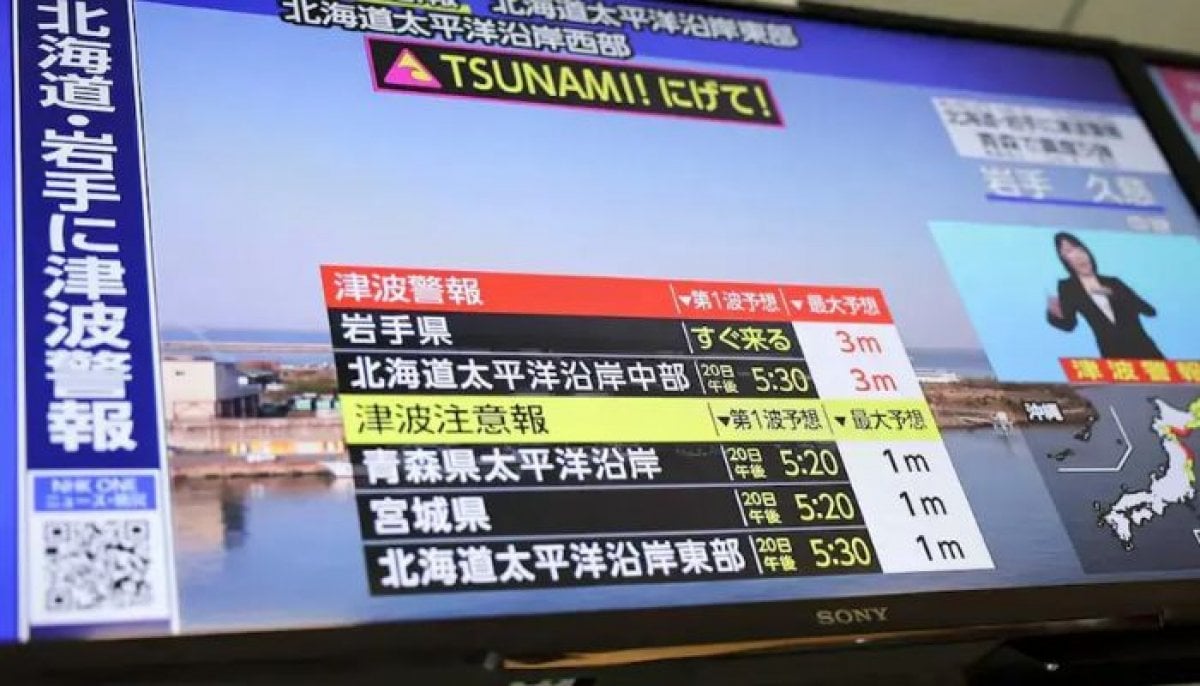 Japan earthquake: 7.1 magnitude quake hits Kyushu, tsunami alert issued
 -
Progressive Democrats endorse Donavan McKinney against Shri Thanedar
-
Andrew and Tristan Tate to remain in jail as UK extradition case continues
-
France wildfire reaches outskirts of Bordeaux as thousands evacuated amid heatwave fears
-
 Oil prices post biggest drop since April as US and Iran pause fighting
 -
 New Joe Biden audio recordings reveal disagreements with Obama and memory lapses
 -
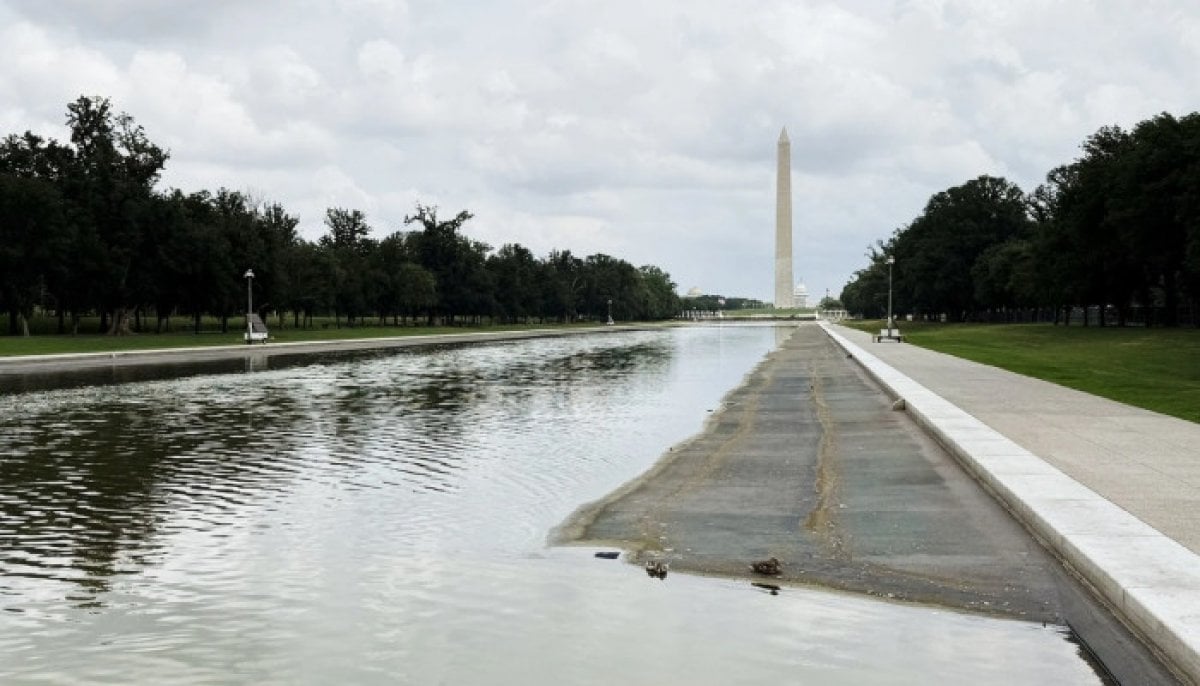 Grand jury witness says Reflecting Pool damage predated Davey Hearn case