South Korea picks former Naver CEO to lead its AI transformation
Han is not a career politician. Before entering government, she ran Naver, South Korea's dominant search and internet platform

South Korea's President Lee Jae-myung has nominated Han Seong-sook, a former chief executive of internet giant Naver and the country's current minister for small and medium-sized businesses, as prime minister, a choice framed explicitly around the country's ambition to become one of the world's top three AI powers.
Han is not a career politician. Before entering government, she ran Naver, South Korea's dominant search and internet platform, a role that put her at the centre of the country's technology industry during a pivotal period of its development.
She later moved into public service, taking on the SME and Startup Ministry under President Lee, where she has worked on bridging the gap between South Korea's large conglomerate-driven economy and its smaller business ecosystem.
If confirmed by parliament, Han would become South Korea's first female prime minister in two decades, a milestone that arrives alongside, rather than separate from, the substantive policy brief she is being asked to carry.
President Moon Jae-in's Chief of Staff Kang Hoon-sik made it quite clear. Han's IT knowledge, along with her experience in managing the SME ministry, was key because she would be able to transform South Korea's economy, driven by semiconductors and exports, into one based on AI, he said.
"Mrs Han would be able to transform South Korea's economy into an inclusive economy benefiting everybody, including SMEs," Kang said during a press conference broadcast on TV.
The current president, Lee, is making investments in AI a centrepiece of his economic strategy, and he even aims to bring South Korea into being one of the top three nations when it comes to AI technology. The country holds a dominant position in the global AI technology supply chain, as Samsung and SK Hynix alone manufacture around 70 per cent of the memory chips used by AI processors across the globe. However, making AI a part of software and services is a difficult task in itself.
Notably, Han’s appointment as a prime minister shows that the president aims to utilise this otherwise purely bureaucratic position as a means of AI policy coordination.


-
 Samsung to use TSMC's 3nm process for Nvidia's next-gen AI memory chips
 -
 Microsoft scraps UK data center project with Nscale ahead of IPO
 -
 TSMC, Apple eye 1.4nm chips as costs surge ahead of 2028
 -
 New plan would let Americans share in AI gains through stock accounts: Here's how
 -
 Missed iPhone Duo pre-orders? Apple Store walk-ins may be out of luck
 -
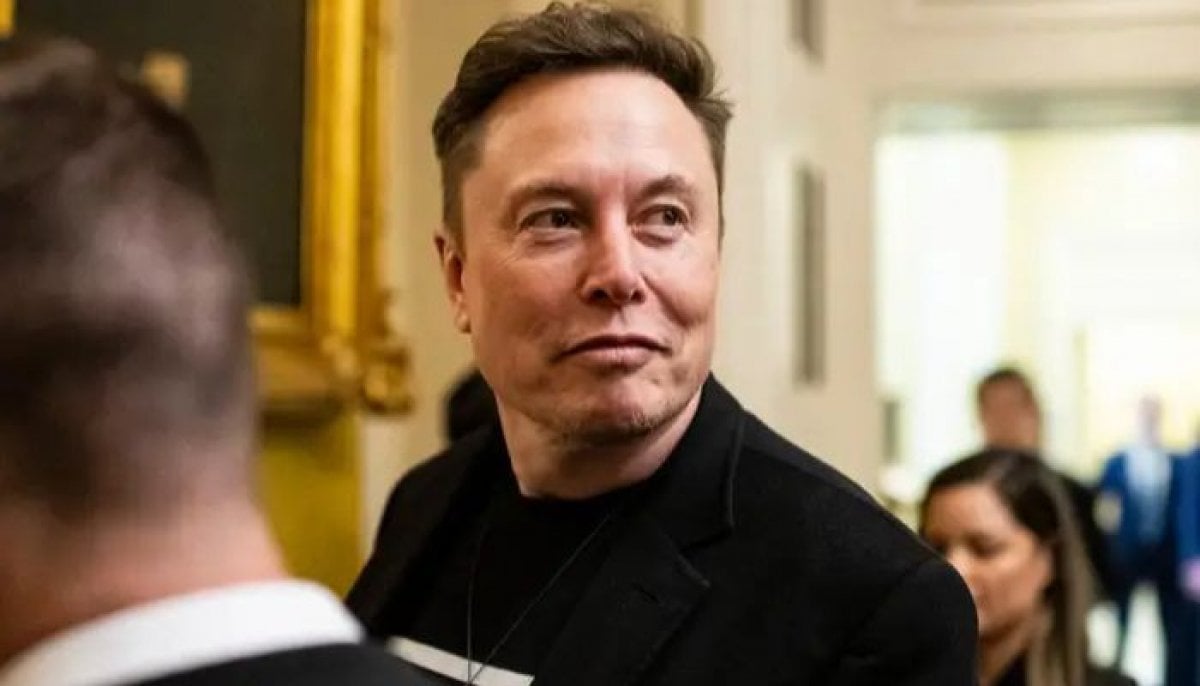 TikTok bans 3-hour Musk documentary account over 'violations'
 -
 AI could boost US GDP to $44 trillion by 2030, Anthropic model forecasts
 -
 What Anthropic's draft AI bill would let Washington block?